Last updated November 21, 2026
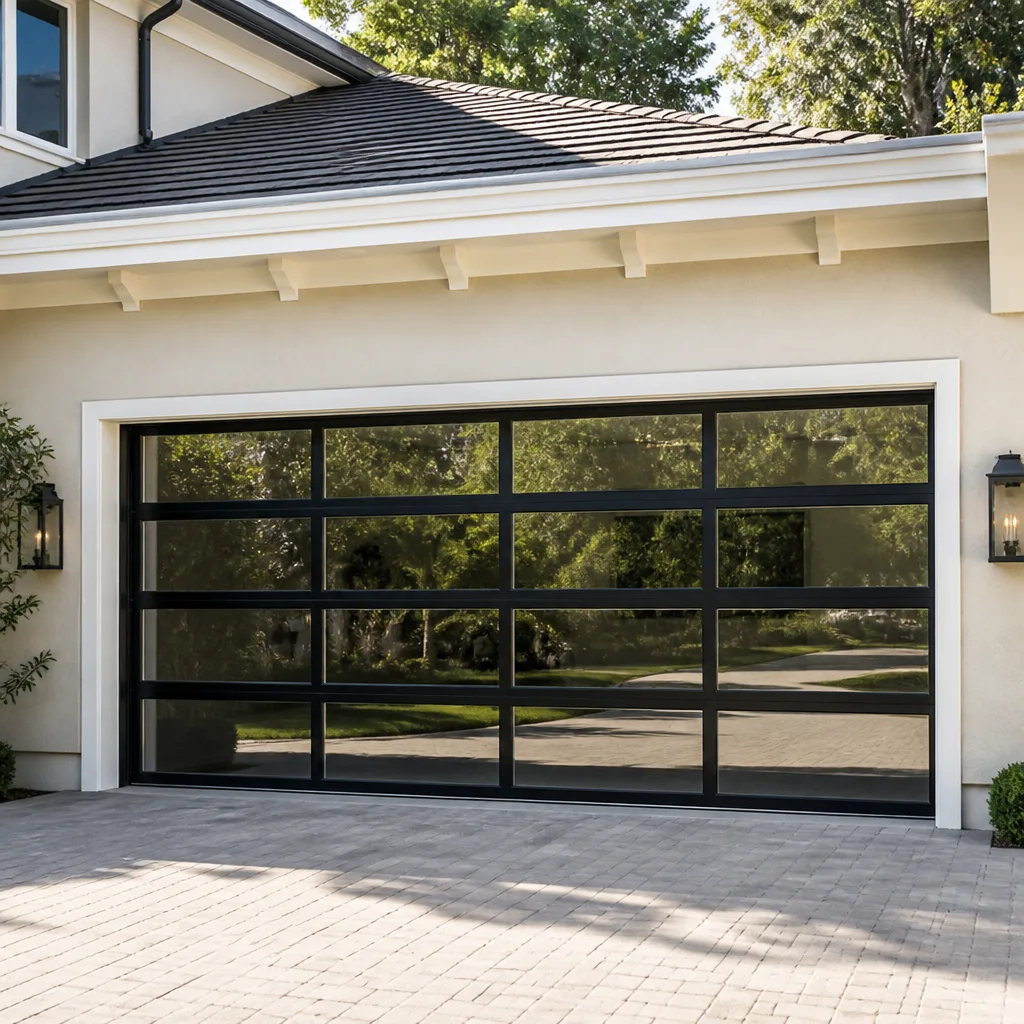 Full-view glass
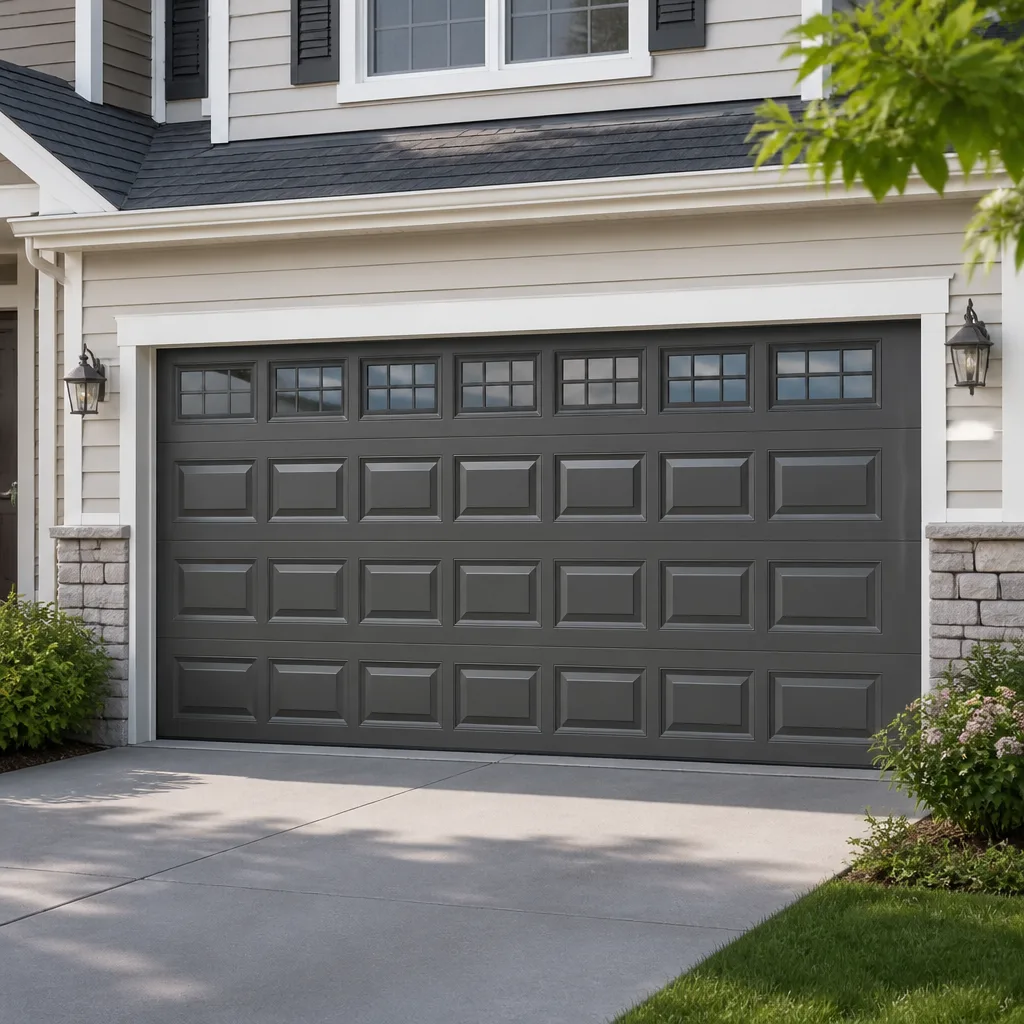 Raised-panel steel
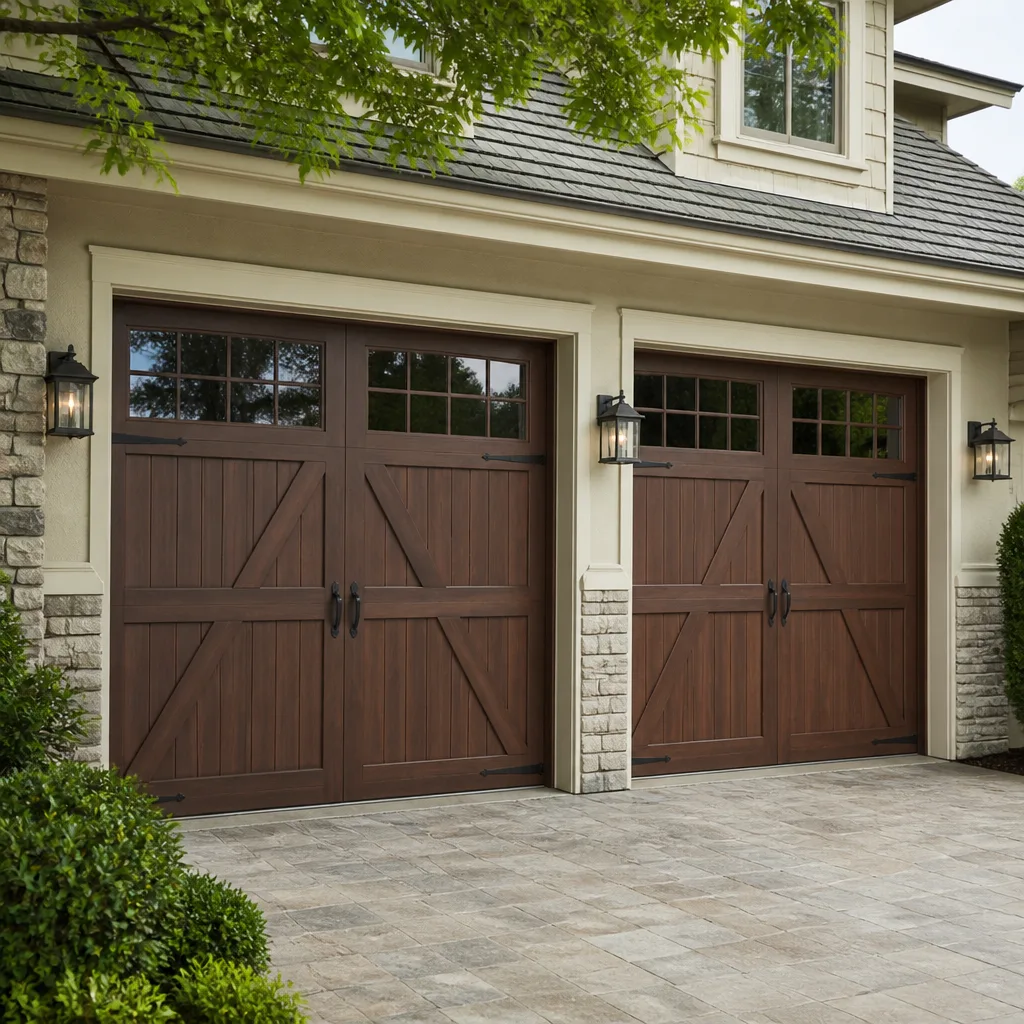 Carriage house
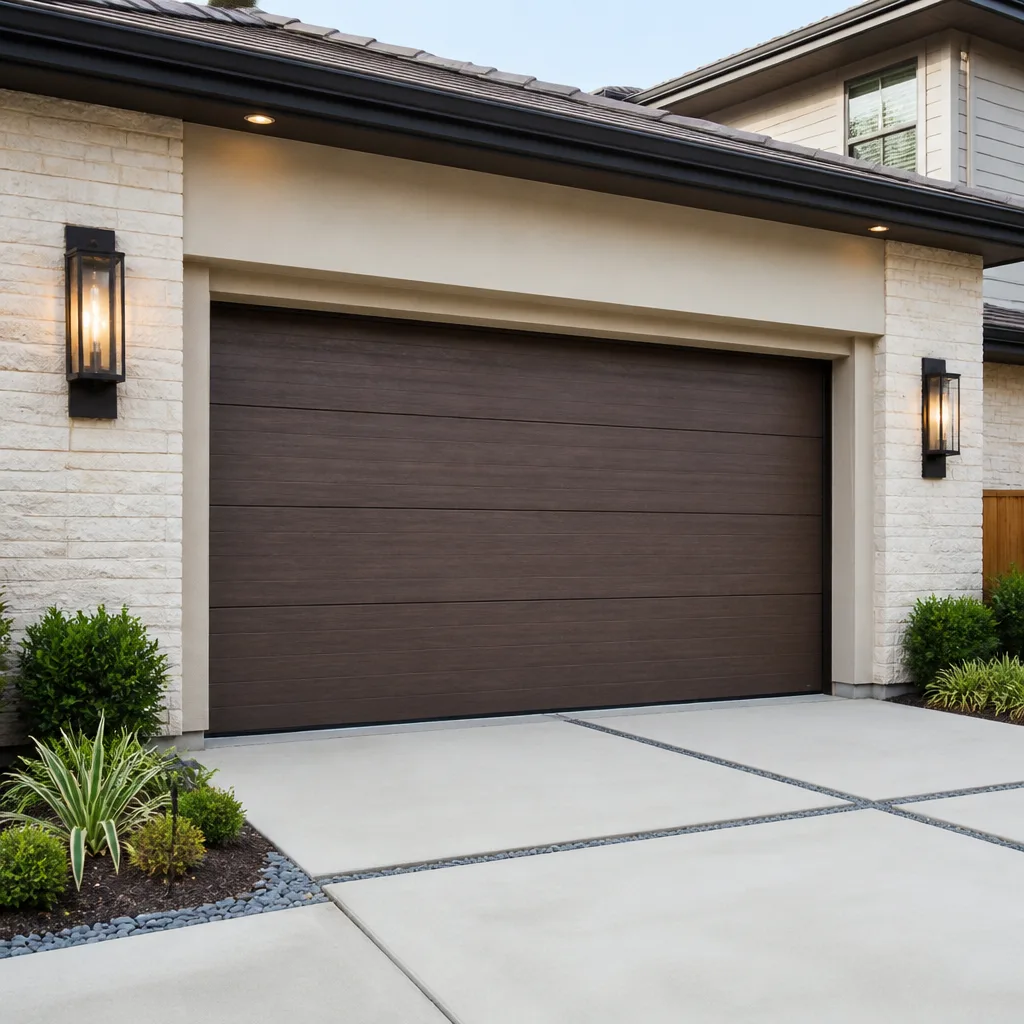 Modern flush
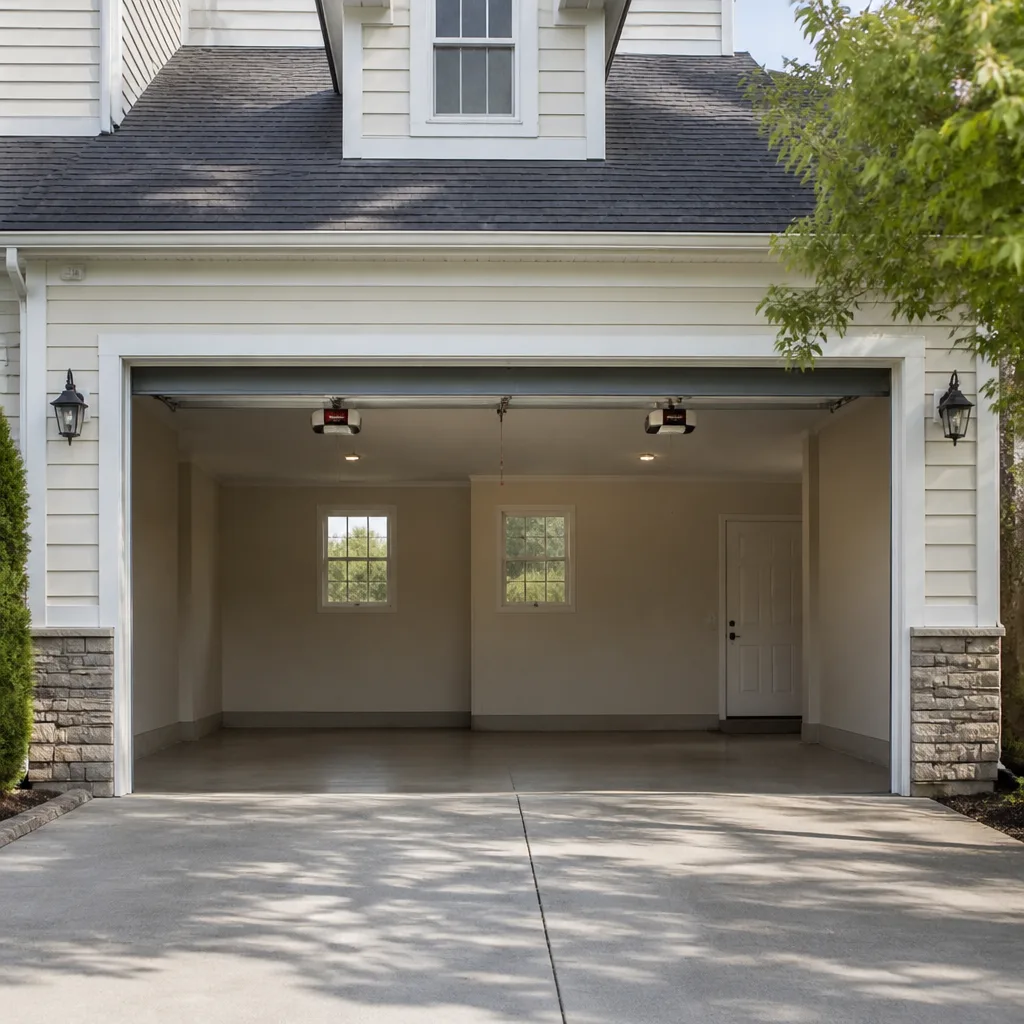 LiftMaster openers
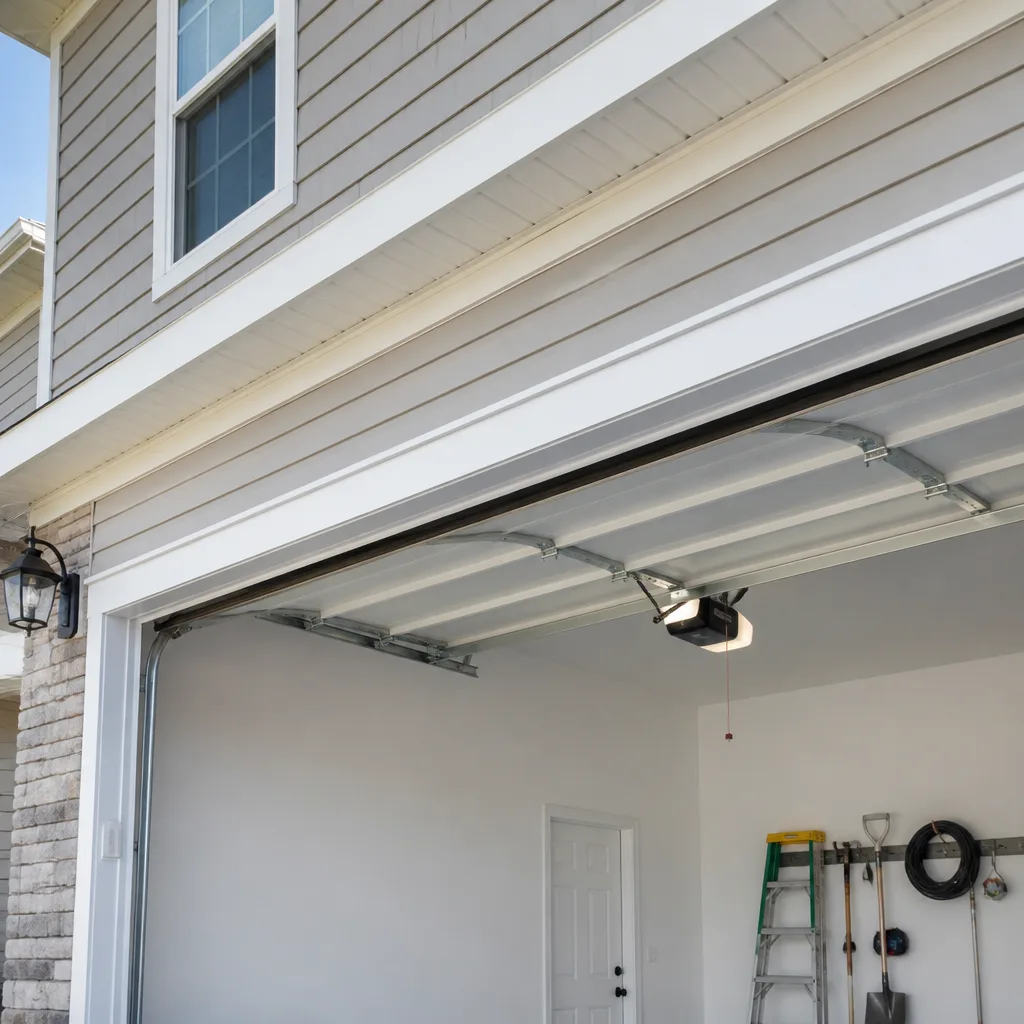 Chamberlain openers
Full 25-point door and opener safety check with every visit - springs, cables, rollers, tracks, and your LiftMaster or Chamberlain opener included
You get a price before we start. It does not change when the pro arrives.
Get your free estimateChoosing the Right Garage Door Brand: A Buyer’s Guide for Lake View
Most Lake View homeowners choose a garage door the way they choose a front door: by how it looks in a photo. That works until the door stops opening. The brand that markets the prettiest carriage-house door on a Midwest design blog may have exactly one parts distributor in the Chicago metro, and if that distributor is out of a torsion spring in your size, your car sits in the alley until a shipment arrives. We’ve watched this play out more than once. This guide covers what we’ve learned about picking a brand that you can actually service in Lake View: how parts networks work in the Chicago market, how to match steel and insulation to our climate, and the difference between a branded door and one wearing a retailer’s name. Read this and you’ll know which questions to ask before you sign anything.
Quick Answer
The right garage door brand in Lake View is the one with deep parts availability in the Chicago metro, not the one with the best national review score. That means a manufacturer with a real distributor network near Cook County and a name your service company can get hardware for quickly. Fit and finish matter, but availability is what keeps your car out of the rain in February.
Styles & brands we work with
- Raised-panel steel
- Carriage house
- Modern flush
- Full-view glass
- LiftMaster openers
- Chamberlain openers
Table of Contents
- Why Parts Availability in the Chicago Metro Matters More Than National Ratings
- Branded Doors vs. Private-Label Doors: What the Warranty Actually Covers
- Matching Steel Gauge to Lake View’s Alley Climate
- Insulation R-Value: Detached vs. Attached Garages in Lake View
- Panel Design Longevity: Embossing, Paint, and Freeze-Thaw Cycles
- Matching Your Opener Brand to Your Door
- A Step-by-Step Checklist for Choosing a Brand
- Common Mistakes to Avoid
- When to Call a Professional
- Frequently Asked Questions
Why Parts Availability in the Chicago Metro Matters More Than National Ratings
A national consumer rating tells you how a door performed on average across the country. It doesn’t tell you whether anyone within driving distance can get you a replacement hinge, roller, or spring on a Tuesday afternoon in June. For Lake View homeowners, that local question is the one that decides how long your door stays broken.
The Chicago metro is a dense market with a lot of door installs, but distribution doesn’t follow population evenly. Some manufacturers maintain several distributors in the region. Others keep one primary warehouse channel for the whole metro. When a door from that second group needs a component, the repair gets scheduled around a shipment, not around your schedule. A door that’s down for a week because a torsion spring has to come from out of state is a door with a real cost the brochure never mentions.
Here’s what we’ve seen hold up in practice:
- Widely distributed brands keep service fast. LiftMaster, Clopay, and Wayne Dalton hardware tends to move through the Chicago metro without long backorder waits.
- Specialty and design-forward brands can be slower. Big catalog names that are popular on design blogs may only have one local channel. Parts sometimes cost more and take longer.
- Proprietary hardware is a hidden risk. If a door uses a hinge, roller, or spring anchor that no other brand shares, your repair timeline is locked to one manufacturer’s warehouse.
- Opener support is separate from door support. Even a great door brand can be paired with an opener brand that’s hard to get service for locally.
The practical test: before you pick a brand, ask your service company whether they can get the parts. For the major brands we work with directly, we can usually finish a repair in one visit rather than scheduling a callback. If a company has to order a hinge and come back, that’s brand availability talking, not that company’s skill. If you want to know where your door fits into that picture, garage door repair Lake View is a reasonable place to start.
Branded Doors vs. Private-Label Doors: What the Warranty Actually Covers
A branded door is a door sold under the manufacturer’s name: Clopay, Amarr, Wayne Dalton, or Raynor. A private-label door is a door made by a manufacturer, sold under a retailer’s brand. Both are real doors. The difference is the warranty chain behind them, and that chain matters more than most buyers realize.
Many private-label doors come from the same factories that make the branded products. Some even share the same steel, hardware, and hinge design. But when the door fails, and a warranty claim is filed, the branded door routes the claim directly to the manufacturer. The private-label door routes it through the retailer, who then routes it to the manufacturer. In practice, that means more documentation, longer wait times, and (in some cases) a shorter warranty than the branded equivalent.
That’s especially worth knowing for Lake View homeowners, because many garages here are rear-alley structures that see real wear. A warranty suspension, window seal, or paint failure on a private-label door often gets resolved faster when you’re holding a branded product that a factory rep can recognize.
Two more structural details to look at:
- Check who the parent company is. Some of the brands you see on retail shelves and some of the brands you see in showrooms roll up under the same parent company. If one is a substructure of the other, they share technology and sometimes parts.
- Read the fine print on labor vs. product coverage. A 10-year product warranty may exclude the labor to install a replacement and may exclude the hinges and rollers if they’re sold separately.
- Ask what happens if the door is discontinued. Branded doors with long production runs are easier to source matching panels for years down the line. Private-label doors can disappear from the catalog without warning.
None of this means you should refuse a private-label door. It means you should know which one you’re buying and what you’re giving up.
Matching Steel Gauge to Lake View’s Alley Climate
Steel gauge is the thickness of the metal. Lower numbers mean thicker steel: 24-gauge is heavier than 27-gauge. In most consumer conversations, “heavier” gets treated as “better,” but the right choice depends on the specific spot your door lives in.
In Lake View, a lot of garages open onto an alley. Alley-facing doors get hit by something driveway-facing suburban doors often don’t: spray from passing vehicles throwing road salt and slush during freeze events. That spray and mist is fine as long as the coating holds. The problem comes when the paint film is chipped or scratched, because that’s when salt actually reaches the steel underneath and starts the corrosion cycle. Winter in Chicago gives you a repeated wet-dry and freeze-thaw cycle that keeps working the edges and bottom rails.
What this means in practice:
- 24-gauge steel is a good choice for a busy alley-facing door that takes a lot of spray or minor impact. The extra thickness resists denting and won’t pucker as easily around hinges.
- 25- and 26-gauge steel is common on residential doors and is fine for most Lake View garages as long as the finish holds up.
- 27-gauge steel can be appropriate for a low-traffic door on a protected wall, but it dents more easily and shows impact damage faster in an alley.
- Galvanized steel offers better corrosion resistance if your garage door sees more moisture, but the finish still has to survive freeze-thaw.
The gauge alone won’t save you from rust. What protects the door is the paint system and how well it stays attached. That’s why the finish discussion further down this guide matters as much as the metal thickness. A heavier door with a failing finish pits faster than a lighter door with good paint.
One more thing we see: garage doors on Lake View’s older two-flats and greystones sometimes sit low and get splashed from a poorly drained alley. That’s a drainage issue, not a door-brand issue, but it accelerates wear on any door. Worth fixing alongside a new install.
Insulation R-Value: Detached vs. Attached Garages in Lake View
Insulation R-value is a measure of thermal resistance. Higher R-value slows heat transfer better. The question everyone asks is, “What’s the right R-value for my garage?” The honest answer: it depends on whether your garage is attached to your home or not.
Lake View garages are mostly one of two things. Some are detached structures at the back of the lot, opening to the alley. Some are attached to or under the home, especially in the two-flats and greystones that line the blocks from Southport to Clark. Those two settings put completely different demands on a door.
Attached garages
An attached garage shares at least one wall with the house. If you use the garage for storage, a workshop, or a workspace, or if a room above the garage needs to stay warm in January, insulation matters. The door becomes part of the thermal envelope of the house. Higher R-value is worth the cost in that case. Doors in this category often come with ratings in the mid-teens and up, and the payback is measured in how comfortable the space stays during Chicago’s coldest stretches.
Detached garages
A detached garage doesn’t share walls with the house. If you only park in it and never spend real time there, insulation has less effect on your heating bill. A modest R-value door is usually fine. You’re mostly protecting the door itself from temperature swings, not trying to keep a room warm. Also, a detached garage without its own heat source isn’t part of any conditioned envelope, so spending up for a very high R-value often doesn’t recover its cost.
When the R-value actually helps
- If you keep a temperature-sensitive object in the garage, such as paints, garden supplies, or a hobby setup that shouldn’t freeze, insulation helps.
- If a living space sits over the garage, a door with higher R-value reduces drafts and temperature swings upstairs.
- If you regularly open the door to work inside during winter, an insulated door makes that section of the home more usable.
- If none of the above applies, spend the money on steel quality and finish instead of R-value.
Insulation isn’t the same thing as “the door feels quieter.” A heavier insulated door will also cut noise from the alley, which matters in a dense neighborhood where garbage trucks run early. That’s a real benefit, even if the thermal numbers don’t pencil out.
Panel Design Longevity: Embossing, Paint, and Freeze-Thaw Cycles
The reason to choose a panel design carefully in Lake View is durability, not curb appeal. Many rear-alley garages here don’t get looked at from the street, so the aesthetic payback is limited. But the physical wear is real. Winter temperature swings from 40 degrees to well below freezing over days push and pull on paint films, gaskets, and the embossing that gives a panel its design.
Embossing is the raised or recessed pattern stamped into a steel panel. It’s often what makes one door look like a traditional carriage house and another look flat and modern. There are two things that can go wrong with embossed panels in a freeze-thaw climate:
- Paint adhesion fails at the embossing edges. Any sharp edge in the stamped pattern is a place where the paint film is thinner and more vulnerable. Over years of freeze-thaw, that edge can crack and start to peel.
- Moisture collects in the recesses. Raised sections shed water; recessed sections can pool it. On an alley-facing door, that pooling happens right at the seam where hardware attaches.
What to look for when comparing brands:
- Powder-coat or factory-baked finishes generally hold up better across freeze-thaw cycles than painted surfaces applied after the panels are formed.
- Deeply embossed panels are beautiful, but they’re a higher-maintenance choice in a rough alley environment. The paint at the edges is the weak point.
- Flatter, smoother panel profiles with fewer recesses need less attention over the years.
- Window sections should have reliable weather seals. They’re a common place for water to work in during Chicago freeze-thaw cycles.
- Bottom seals and astragal gaskets should be replaceable and easy to source. A gasket that’s proprietary to one brand and out of stock locally is the sort of detail that stops a door from sealing in winter.
When we’re looking at a Lake View door, we’re usually checking the finish on the alley-facing bottom panel first. That’s the one that takes the salt spray and the freeze-thaw. If the paint is failing there, the door may be underperforming regardless of what the brand promises on paper.
The good news is also that a door isn’t permanent. If you’re looking at replacing a door on a Lake View two-flat, working with a service team that handles the full install (not just repair) means you get continuity between how the current door is set up and how the new one gets hung. garage door installation is worth reading through before you commit to a panel profile.
Matching Your Opener Brand to Your Door
Opener brand gets less attention than door brand, but it matters just as much in Lake View. A door with a great finish paired with an opener that can’t be serviced locally is a door that stops working just as often as one with a bad door brand. It’s just harder to diagnose.
The four opener brands we see on the vast majority of residential installs are LiftMaster, Chamberlain, Genie, and Craftsman. These share a lot of technology under the hood. In a lot of cases, a technician can identify the failure from the opener’s behavior alone, because each brand has characteristic patterns: how it handles a reversal, how it reports a safety sensor trip, how its logic board behaves when a limit switch drifts.
When you’re choosing a door brand, think about the opener you’ll pair with it:
- Legacy openers from Craftsman or older Genie units are still common on Lake View doors. They work fine, but parts get scarcer as models age.
- Smart and connected openers from LiftMaster and Chamberlain take up more of the market every year. They’re well supported locally, and phone-based control is now standard on new installs.
- Opener-door pairing should be considered together. A heavy insulated door needs an opener rated for it. Light doors can work with lighter-duty units.
The repair question is really, “which brand is fastest to service in Lake View?” That’s where local availability wins again. We work with all four of these opener brands and can usually diagnose on arrival because the failure patterns are familiar. If you’re not sure which opener you have, matching it to a brand is a service call, not a shopping decision. You can read about how that visit goes on our garage door opener repair page.
Safety note here: opener adjustments aren’t like door adjustments. Force settings, travel limits, and sensor alignment all have to be dialed in correctly, or the door won’t reverse properly when it should. We don’t recommend adjusting your own opener without professional guidance. The safety of the person standing under the door is the point.
A Step-by-Step Checklist for Choosing a Brand
This is the sequence we recommend to Lake View homeowners before they commit to a brand. Each step is a question you can ask in a showroom or on the phone, and each one gives you information that a national rating site won’t.
- Identify the door brand you already have. Look for a label on the inside of the door, usually on a middle or top panel. Most Lake View doors that date from the last two decades are from LiftMaster, Chamberlain, Genie, Clopay, Amarr, Wayne Dalton, Craftsman, or Raynor. Knowing your brand sets the starting point for every other decision.
- Ask a local service company which brands they can get parts for quickly. This is the single most important question. A brand with a single local distributor can mean a week without a working door when a spring breaks.
- Check the finish your brand uses. Powder-coat and factory-baked finishes hold up better in Chicago’s freeze-thaw cycles than field-applied paints.
- Match steel gauge to your alley exposure. 24- and 25-gauge are good defaults for a Lake View alley-facing door.
- Decide insulation based on garage type. Attached and climate-sensitive spaces justify higher R-value. Detached garage doors that are only parked in usually don’t.
- Verify the opener brand and serviceability. LiftMaster, Chamberlain, Genie, and Craftsman are the safest bets for local support.
- Confirm the warranty chain. A manufacturer-backed warranty on a branded door is easier to work with than a retailer-backed warranty on a private label.
- Get a written quote before any work starts. The written quote is the price. That’s true whether you’re buying a new door or having a spring replaced.
Common Mistakes to Avoid
- Choosing based on the design blog featuring the door. A beautiful carriage-house door from a brand with thin Chicago distribution is a beautiful door that’s slow to repair. Check the parts network first.
- Ignoring the alley exposure. A door that opens onto an alley in Lake View takes indirect road salt spray during winter. That makes finish quality more important than on a driveway-facing install.
- Overbuying insulation. R-value is worth money when the garage is attached or used as a workspace. On a detached, parking-only garage door, it’s often wasted money for Lake View homes.
- Treating private-label doors like branded doors. They may share a factory, but they don’t share a warranty chain. Ask who backs the warranty in year six.
- Buying the door without checking the opener. A heavy new door paired with an underpowered opener will fail sooner. Brand-match the opener to the door.
- Assuming the installer will stock the parts. Not every company carries LiftMaster, Clopay, or Chamberlain components. Ask whether the repair will be one visit or two.
- Letting a small finish failure go. A peeled edge on a bottom panel is a start of corrosion. It’s also a warranty conversation you can have now instead of later.
When to Call a Professional
Call a professional if the door reverses unexpectedly, binds, or makes grinding sounds during operation. Call if you can see a snapped or sagging torsion spring, or if the door is hanging unevenly on one side. Call if the opener cycles strangely (no response from the remote, a partial open, or repeated reversal) and doesn’t reset. And call if you’re choosing a new door and want to know which brands have real Chicago-metro parts availability before you buy – it’s a short conversation, but it saves real time later.
Torsion springs sit under high tension. We don’t recommend adjusting or replacing them yourself, even with a tutorial. The forces involved can cause serious injury, and the correct tools matter. A trained technician with up to 10 years of experience can handle a spring repair safely and get your door operating again in one visit.
Garage Door Repair Lake View offers free estimates in Lake View – call (833) 468-5605.
Frequently Asked Questions
The best brand for a Lake View home is one with strong parts availability in the Chicago metro and a manufacturer-backed warranty. Clopay, LiftMaster, Wayne Dalton, Amarr, and Chamberlain all have solid local distribution channels. A specific recommendation depends on your garage type (attached or detached) and your alley exposure, but parts availability should be the first filter. Call (833) 468-5605 for an exact quote on your setup – estimates are free.
Brand matters because it determines how fast a repair happens. A door’s appearance is a twelve-year decision. Its parts network is what shows up every February when a spring fails. Both matter, but only one controls how long your car sits in the alley waiting. Call (833) 468-5605 for an exact quote before you commit.
National ratings measure average performance across many installs. Parts availability is local, and it decides how quickly your specific door gets fixed. A door from a brand with one Chicago distributor can wait days or weeks for a component that a well-distributed brand has on a shelf. Call (833) 468-5605 to find out what’s quickly available in your size.
Higher R-value is worth the cost when the garage is attached to the home or used as a workspace. For a detached garage that’s only parked in, a modest R-value door is usually enough. Talk through the specifics with us – the answer depends on the building, not just the door. Call (833) 468-5605 for an exact quote.
Often, yes. A retailer’s in-house door brand may come from the same factory as a Clopay or Amarr product. The difference is the warranty chain. A private-label door routes claims through the retailer; a branded door routes them directly to the manufacturer. Call (833) 468-5605 to compare the two options for your door size.
No. The written quote is the price, and it’s set before any work starts. If something unexpected comes up mid-job (a bent track, a failing hinge), we tell you before we do the work, not after. Call (833) 468-5605 for a free estimate.
The Bottom Line
Picking a garage door brand in Lake View should start with the parts network, not the showroom. The brand that keeps your door serviceable in February is the one with real Chicago-metro distribution behind it, a manufacturer-backed warranty, and a service relationship that lets a technician finish the job in one visit. Steel gauge, insulation R-value, finish quality, and opener brand all matter, but they matter second. If you’re evaluating a specific brand for a specific door, we can look at your garage, your alley exposure, and your opener before you commit. Our technicians have up to 10 years of experience with the eight brands above, and we handle everything from spring repair to full install. Call (833) 468-5605 for a free estimate.
Written by the team at Garage Door Repair Lake View.
See the difference
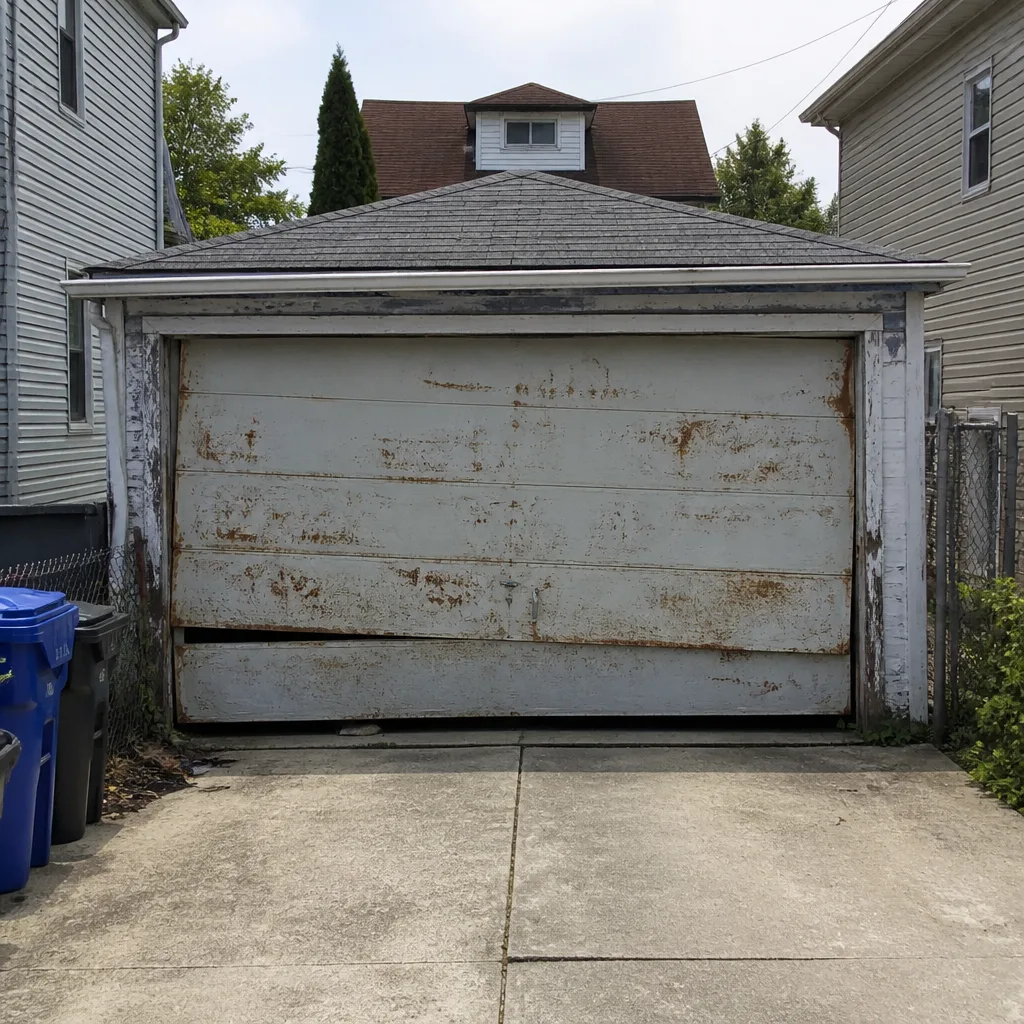 Before
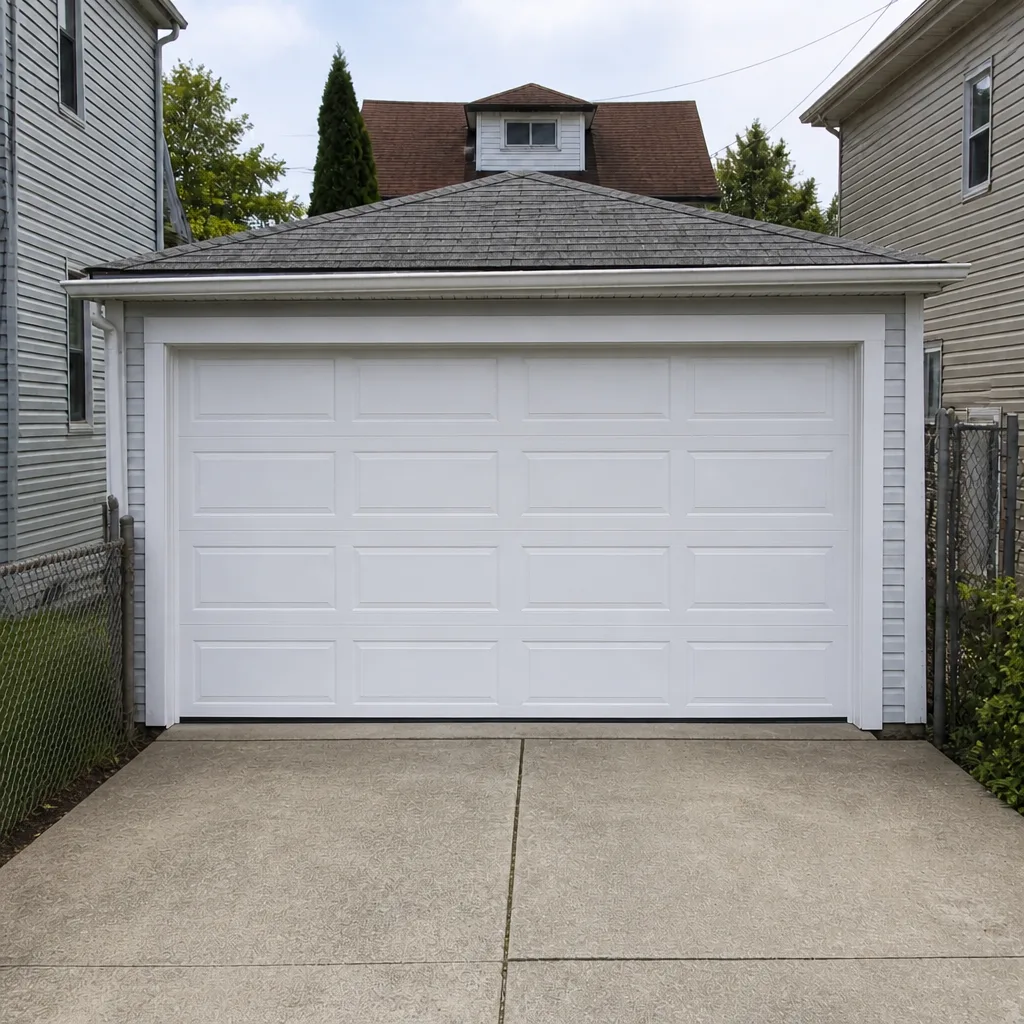 After
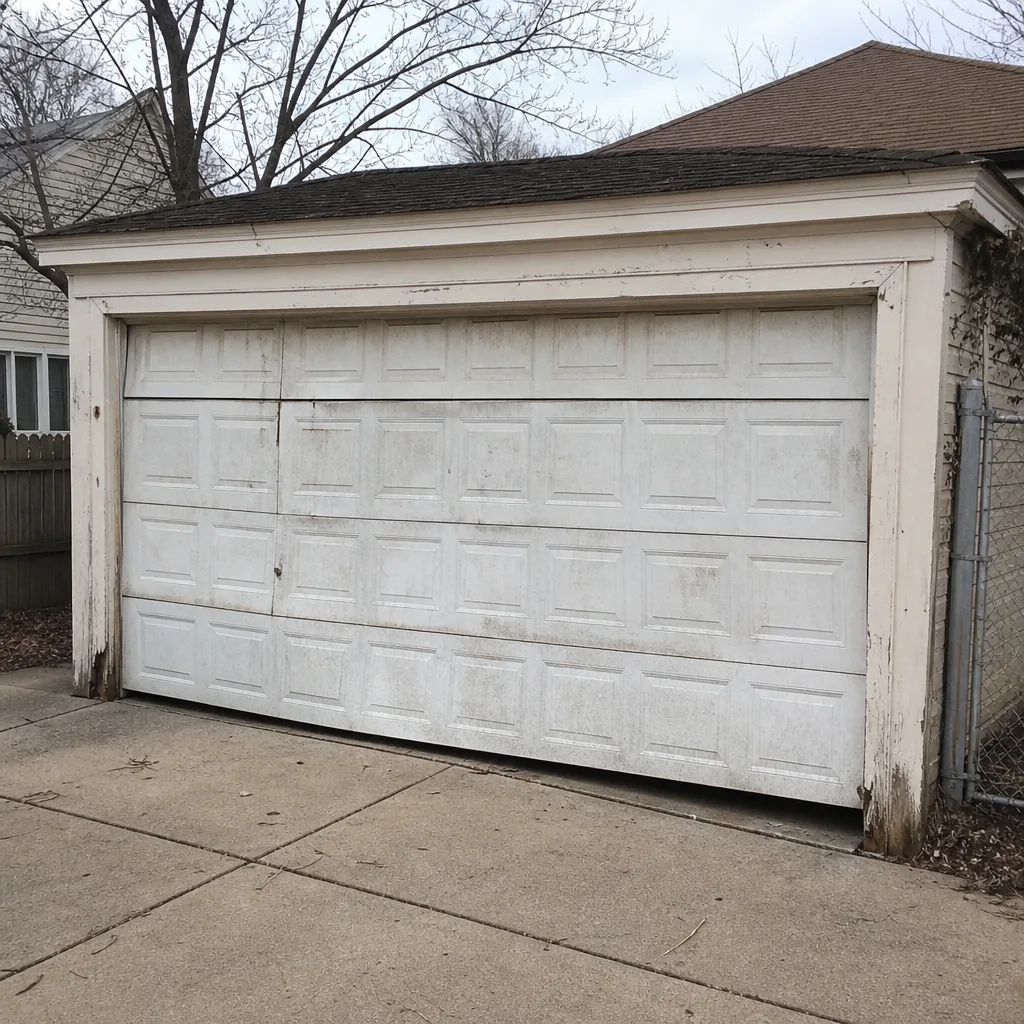 Before
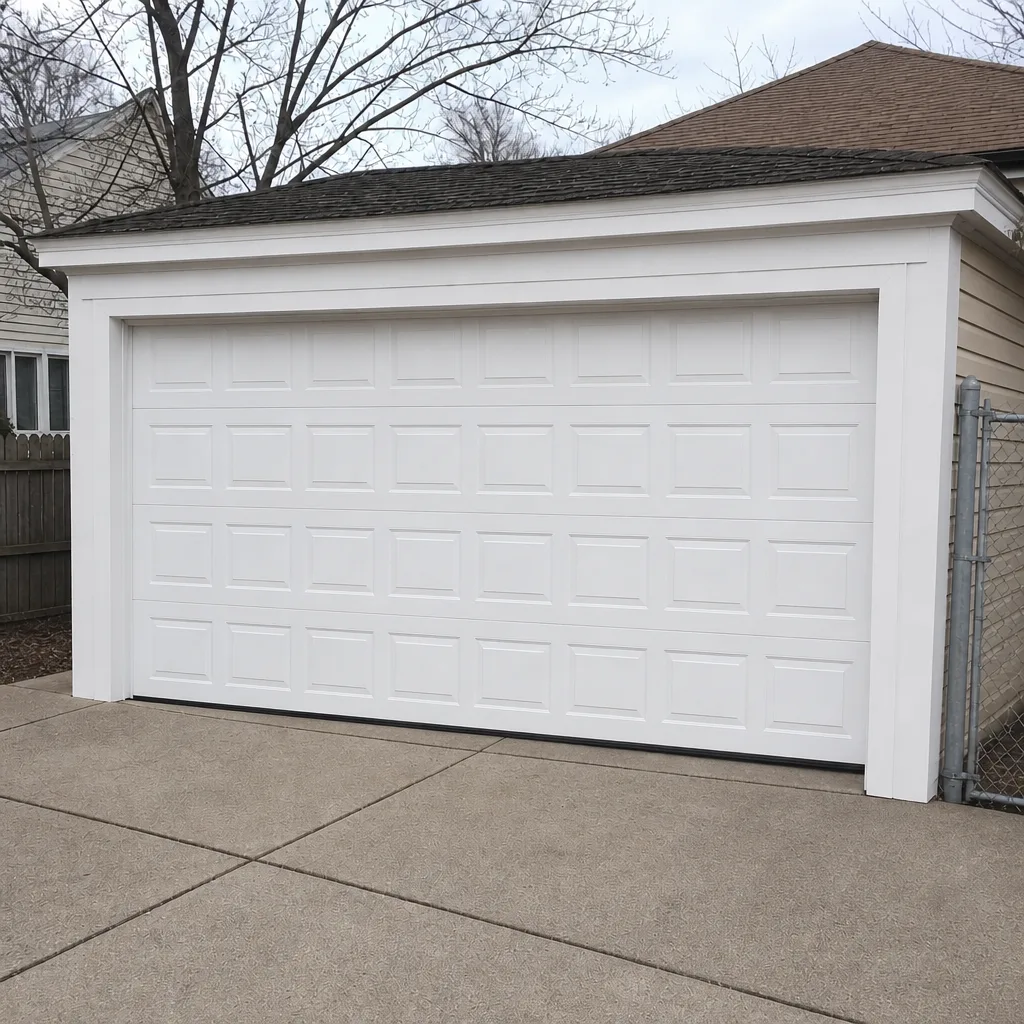 After
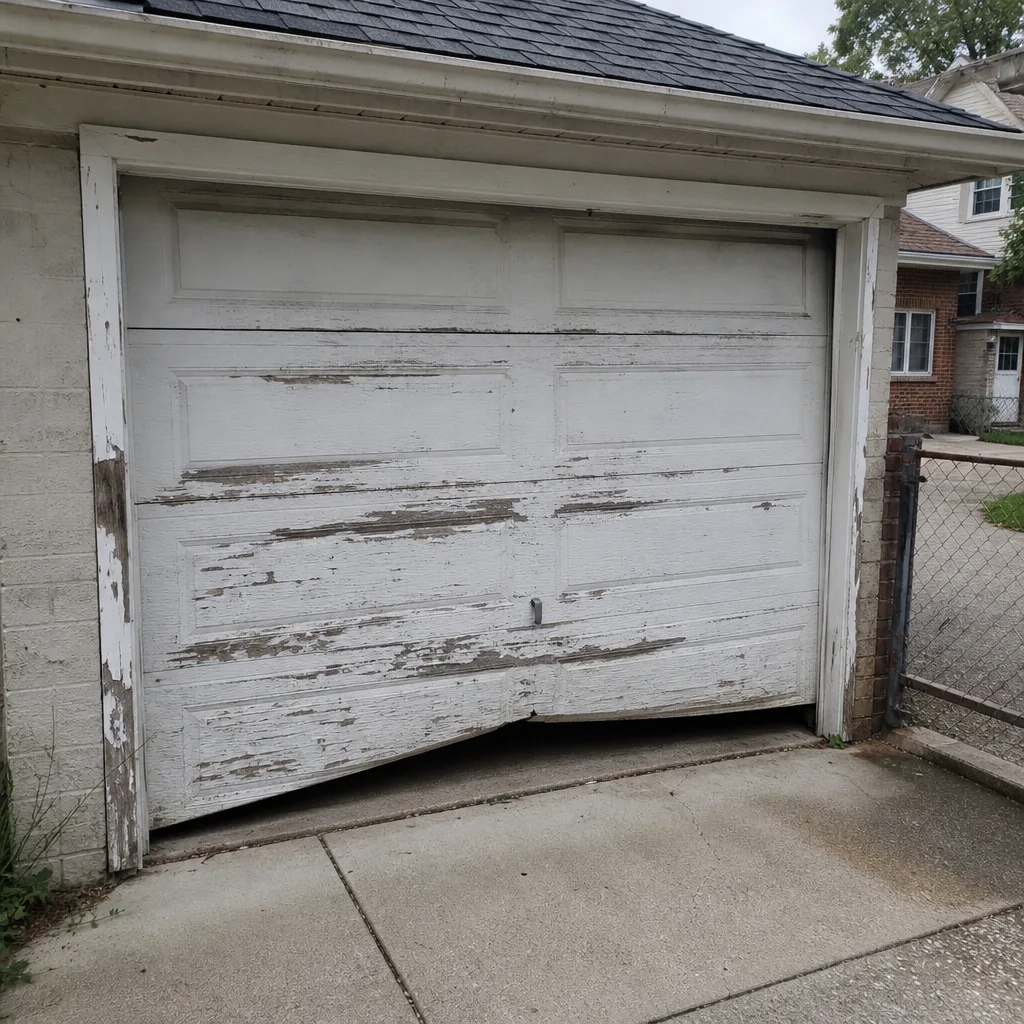 Before
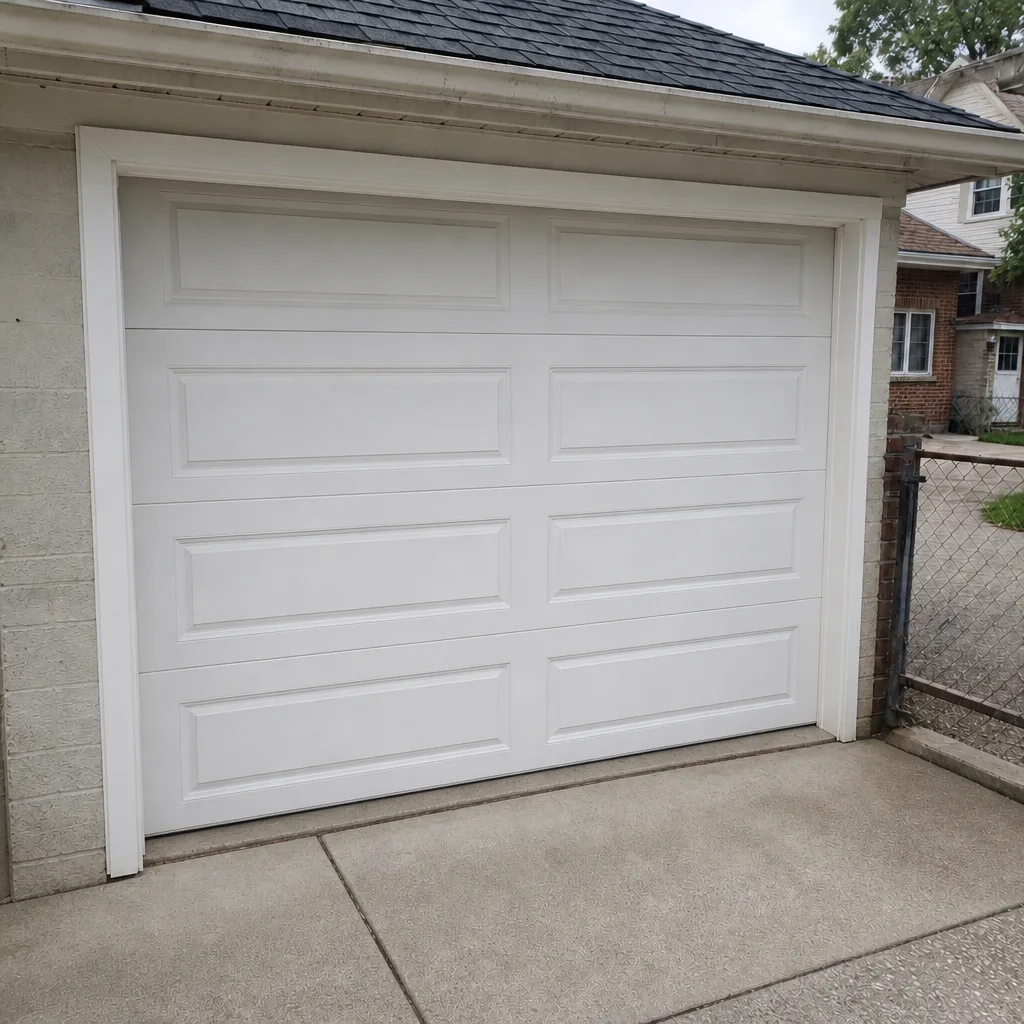 After