Last updated November 21, 2026
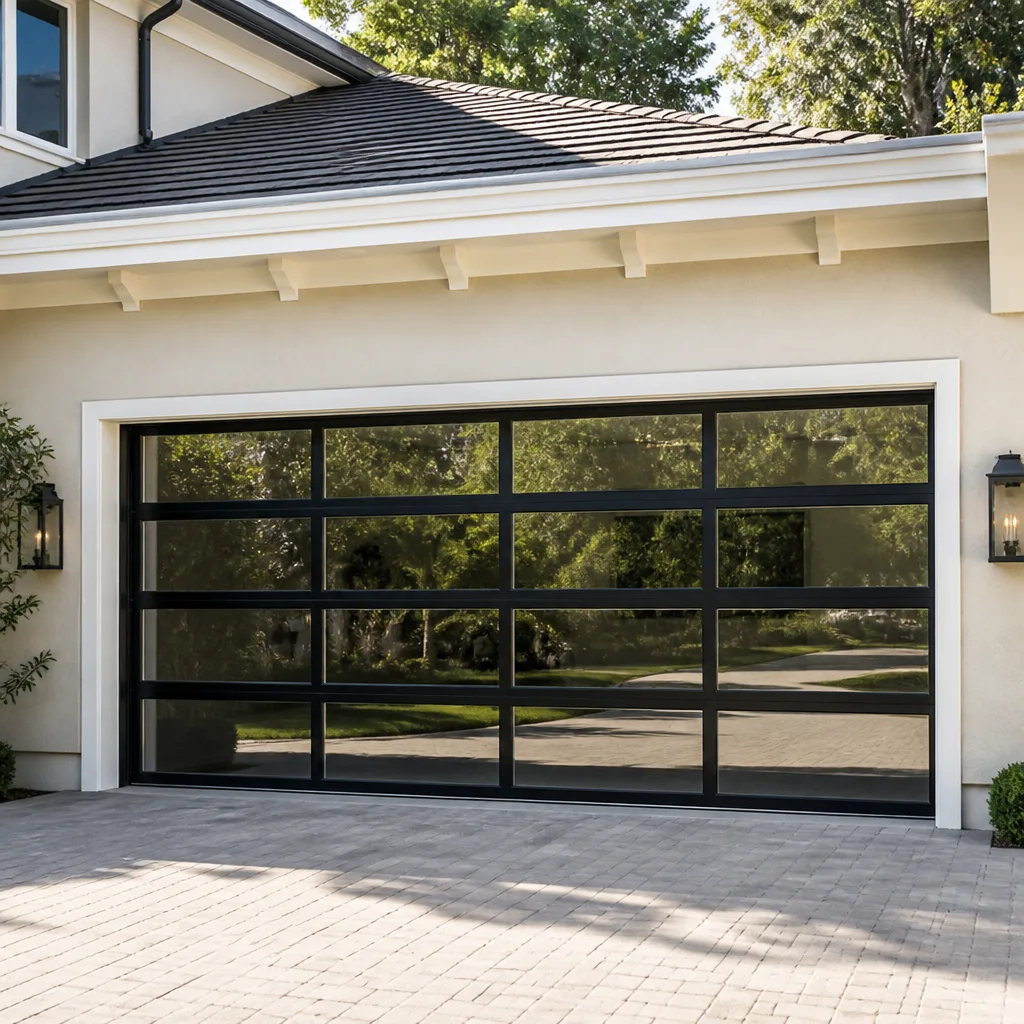 Full-view glass
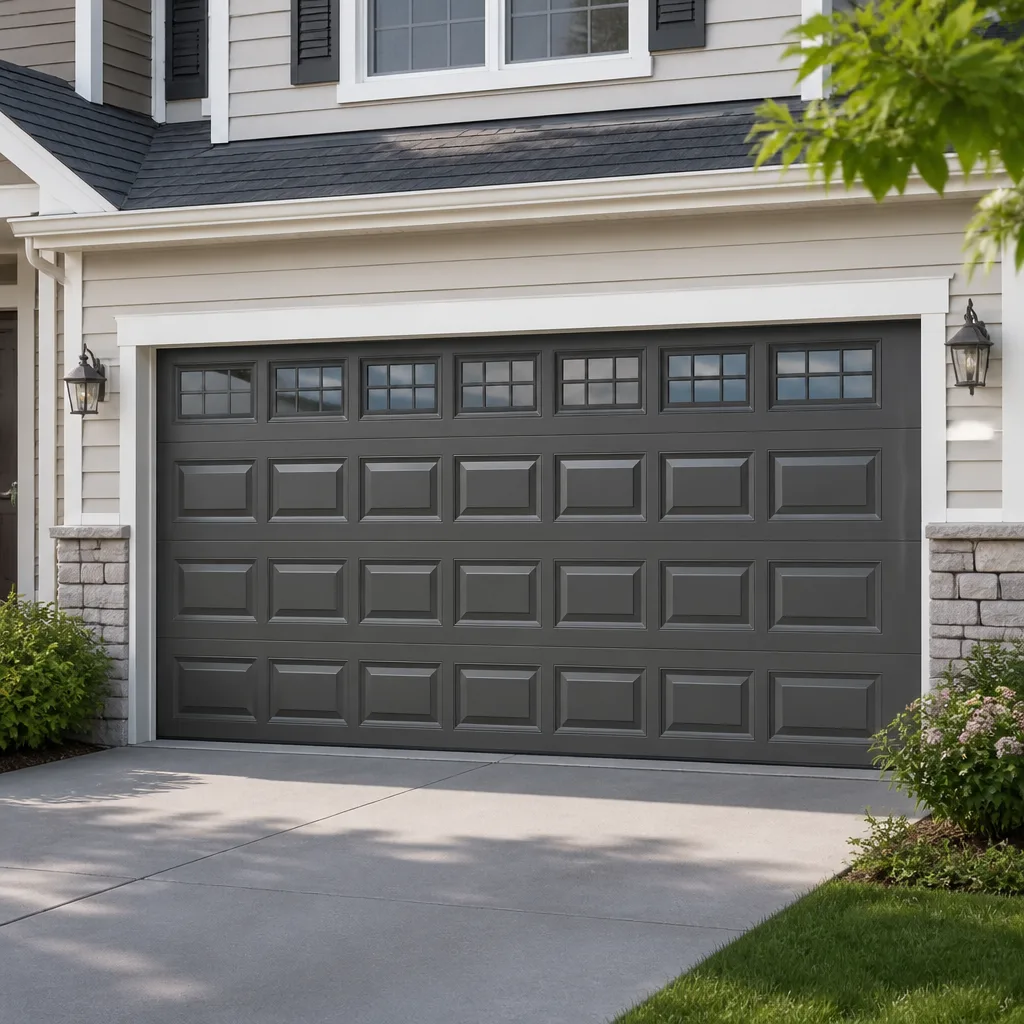 Raised-panel steel
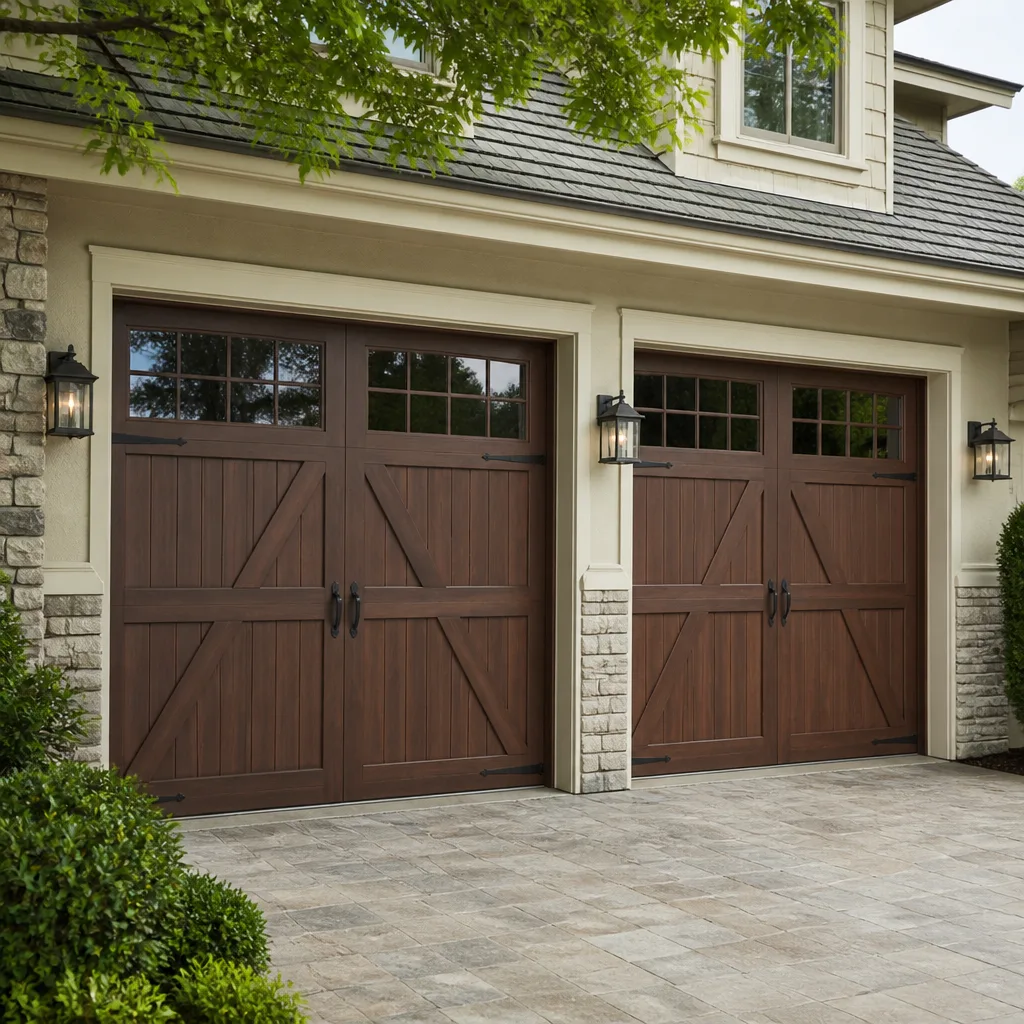 Carriage house
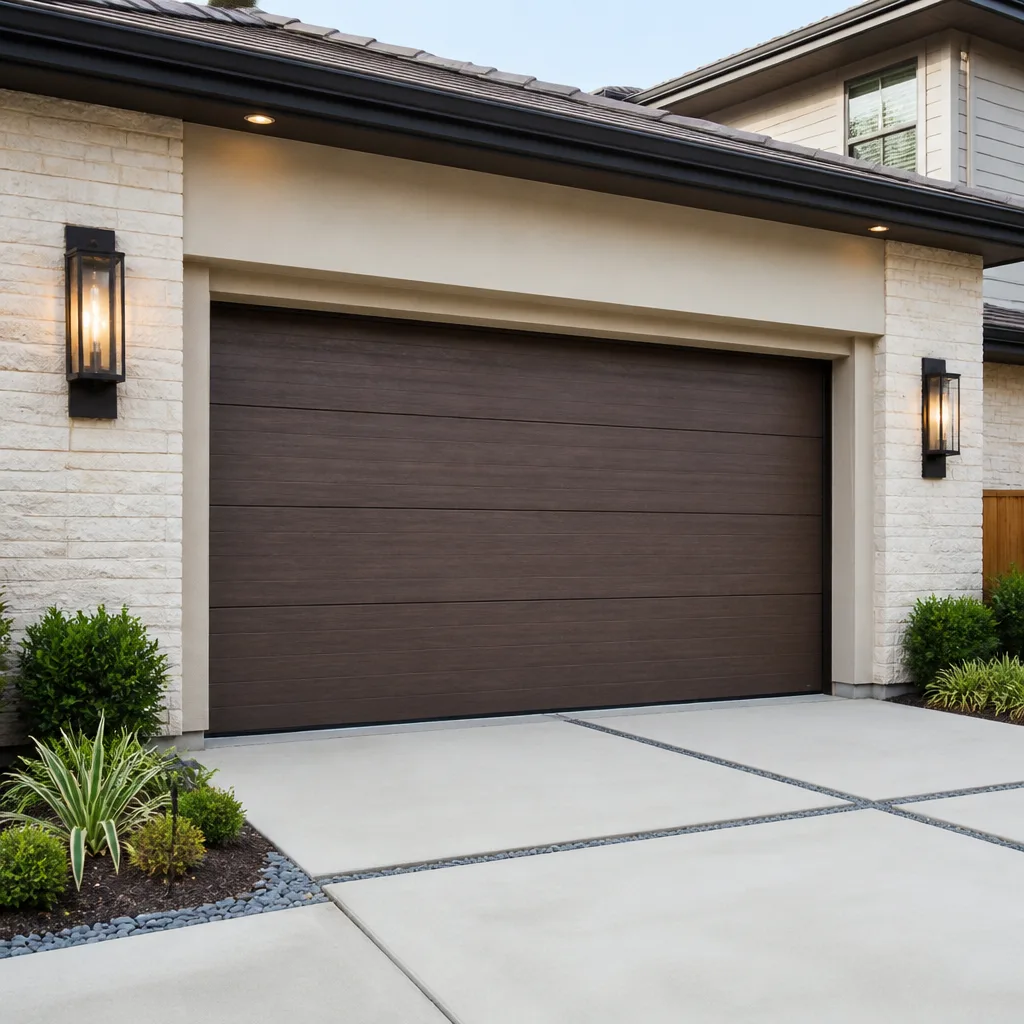 Modern flush
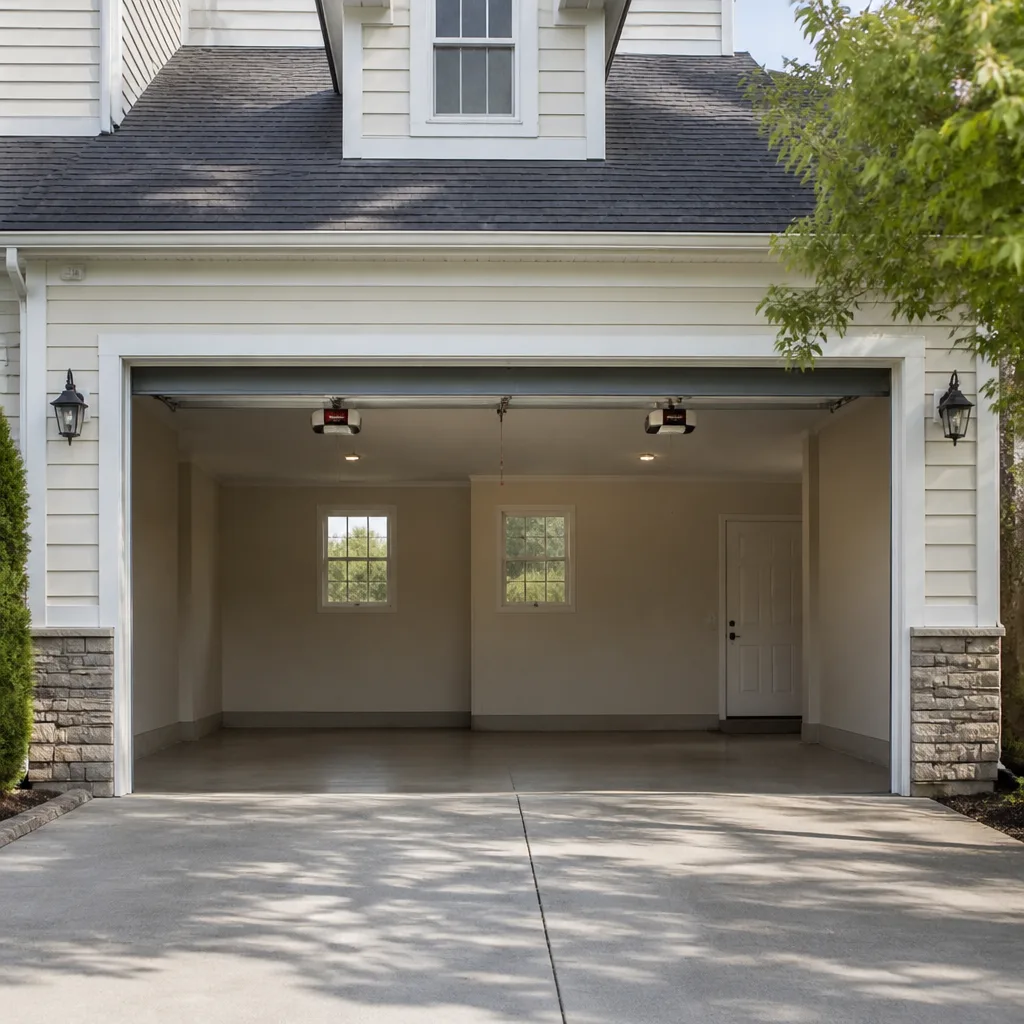 LiftMaster openers
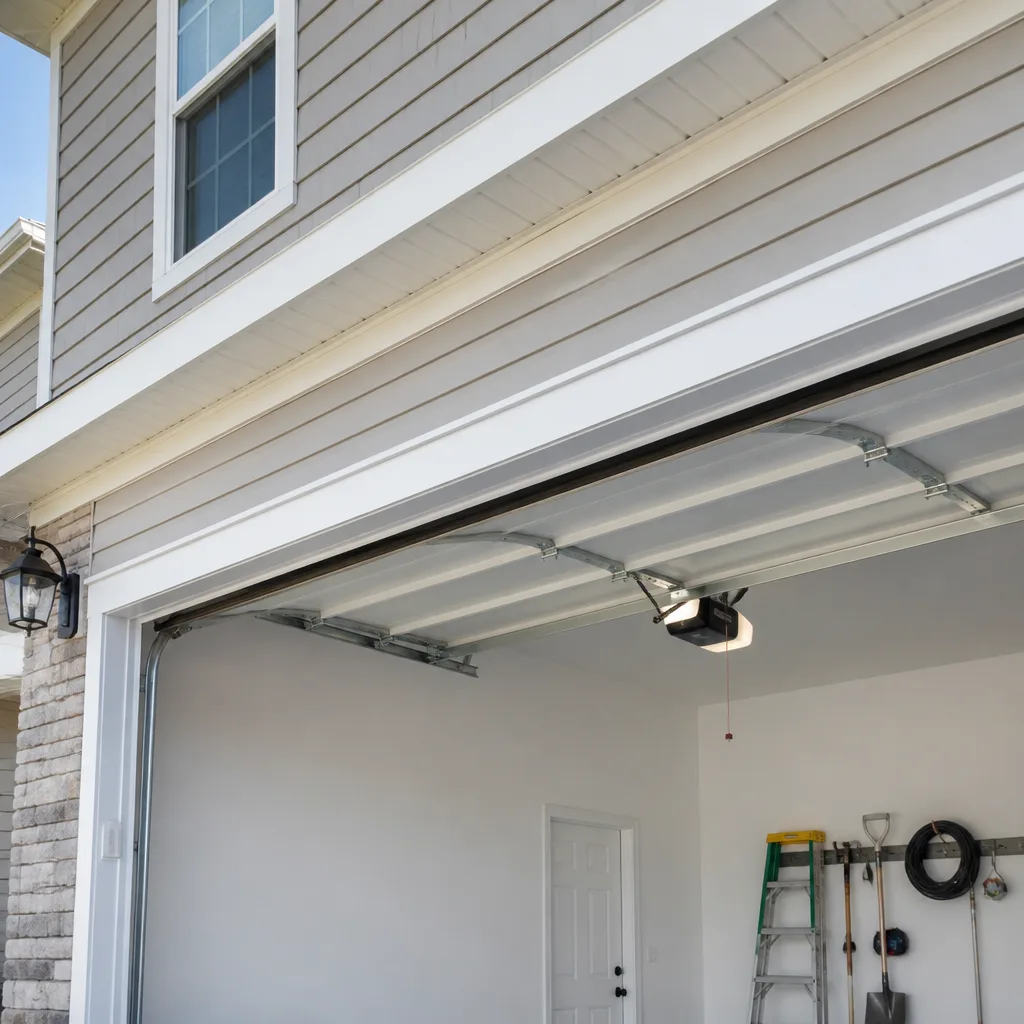 Chamberlain openers
Full 25-point door and opener safety check with every visit - springs, cables, rollers, tracks, and your LiftMaster or Chamberlain opener included
You get a price before we start. It does not change when the pro arrives.
Get your free estimateThe Complete Guide to Garage Doors in Lake View
Most garage doors sold at big-box stores will not fit a Lake View garage. The neighborhood’s alley-facing garages were built for a much narrower vehicle, and a typical opening is around 8 feet wide by 7 feet tall. That single measurement eliminates a large share of the doors on the shelf before you get past the front door of the store. What fits, what’s legal, and what survives a Chicago winter all depend on how your garage was built and where it sits on the lot. This guide covers the physical reality of Lake View garage doors: alley orientation, low-headroom hardware, municipal code on detached structures, real local lead times, and noise.
Quick Answer
A Lake View garage door has to fit an older, narrower opening (usually around 8 feet wide), work with low-headroom track in many pre-war garages, and meet Chicago code requirements for detached structures in dense residential zones. Door type, opener placement, spring choice, and even noise isolation all follow from those three constraints. Measure the opening and headroom before you shop, then have the work quoted by a garage door specialist rather than a general contractor.
Styles & brands we work with
- Raised-panel steel
- Carriage house
- Modern flush
- Full-view glass
- LiftMaster openers
- Chamberlain openers
Table of Contents
- How alley-facing garages change the door you should buy
- Low-headroom track and what it means for springs
- Chicago code requirements for detached garages
- Door types that work in Lake View
- Choosing and placing an opener
- Lead times vs. what’s actually stocked locally
- Noise transmission on shared walls and under living space
- How to measure before you shop
How Alley-Facing Garages Change the Door You Should Buy
In most of Lake View, the garage sits at the back of the lot and opens onto the alley. That layout is not a detail. It dictates the width, the swing, and often the material.
A typical alley-facing opening in Lake View runs about 8 feet wide. The standard new door sold nationally is 9 feet. On top of that, the alley itself is narrow, often just wide enough for a car and a few feet of walkway. A sectional door that opens up and back into the garage is the default here because it never swings out into the alley. A one-piece tilt-up door that swings outward can hit a neighbor’s fence, a recycling bin, or a passing car.
Alley orientation also affects opener placement. The motor has to sit on a ceiling that is often low, and the rail has to clear any shelving or storage the previous owner bolted overhead. In our experience, more Lake View opener problems come from a rail that was forced to fit a short ceiling than from a worn motor. If your garage door has been straining or reversing, that’s worth a look from a technician before it fails.
One more thing: alleys in Lake View are shared. When a door is being replaced, the crew has to work within a tight footprint, and the old panels have to come out without blocking the alley for long. That’s a scheduling and logistics reality that a general handyman often underestimates.
Low-Headroom Track and What It Means for Springs
Many Lake View garages were built in an era when a car had far less roof height than a modern SUV. That means the ceiling-to-opening measurement is short, often under 12 inches. Standard track needs more. The fix is low-headroom track, which routes the door closer to the ceiling and uses a different spring arrangement.
Standard torsion springs sit horizontally above the door. On a low-headroom garage, that horizontal bar may not fit, so the hardware shifts to a torsion setup mounted differently, or to a different track profile entirely. The spring you choose is not interchangeable with the one a 9-foot door in a suburban garage uses. It has to be sized to the actual door weight and the available space.
This is where a lot of DIY spring work goes wrong. Torsion springs are under extreme tension, and a spring sized for the wrong door will either fail early or put dangerous load on the cables. We replace springs as a core service, and the first thing we do is verify door weight and headroom before touching the old spring. If your garage has low headroom, that check is not optional.
- Measure ceiling height to the top of the opening, not to the floor.
- Note any beams, ducts, or storage racks in the path of the track.
- Check whether the current door uses torsion or extension springs.
- Confirm the door’s actual weight, which determines the spring size.
Chicago Code Requirements for Detached Garages in Lake View
Chicago treats detached garages differently from attached ones, and the rules that apply to a garage in a dense residential zone are worth checking before any replacement. We don’t quote code sections because the city updates them and the details depend on your lot. The right move is to call the city’s building department or your alderman’s office with your address before you order a door.
Broadly, a few things come up repeatedly for Lake View homeowners:
- Permits for structural changes. Replacing a door in the existing opening is usually straightforward. Changing the size of the opening, the header, or the structure itself is a different matter and typically requires a permit.
- Setback and lot coverage. Detached garages in dense blocks sit close to the alley and the property line. Any change to the footprint or the structure may trigger a review.
- Electrical work for openers. Adding or moving an opener circuit is electrical work, and it has to be done to code. This is separate from the door installation itself.
If you’re unsure whether your project crosses the line, ask before you buy. A specialist who works in Lake View regularly will know which changes typically need a permit and which don’t, and can point you to the right city office. Skipping that step is one of the most expensive mistakes we see.
Door Types That Work in Lake View
Given the narrow opening and the tight alley, the practical shortlist in Lake View is shorter than a national buying guide suggests. Here’s what actually holds up.
Sectional steel doors
The most common choice. Steel sections are strong, relatively quiet when insulated, and fit standard and low-headroom track. Insulated steel is worth it in a Chicago winter because it reduces condensation and keeps the garage a few degrees warmer.
Sectional aluminum doors
Lighter and rust-resistant, which matters in a humid summer. Aluminum is a good fit for a door that has to open and close frequently without straining a smaller opener.
Carriage-style doors
A decorative style that mimics a swing door but opens as a sectional. Popular on Lake View homes that have kept their historic facade. The catch is that carriage-style doors can be heavier, which means a heavier spring and a stronger opener. We work with Clopay and Amarr on these, along with Wayne Dalton on the more conventional profiles.
What we don’t recommend for most Lake View garages is a one-piece tilt-up. It’s the wrong geometry for a narrow alley and the wrong hardware for a low ceiling.
Choosing and Placing an Opener
An opener in a Lake View garage has to work in a small space and stay quiet. Placement matters as much as the brand.
Chain-drive openers are the workhorse. They’re durable and inexpensive, but they’re the loudest, which is a problem if your garage shares a wall. Belt-drive openers run quieter and are usually the better pick when the garage sits under a living space or up against a neighbor’s masonry. Screw-drive is a middle option.
Smart openers have become common. We install and repair LiftMaster and Chamberlain units that connect to a phone, along with Genie and Craftsman models that many Lake View homes already have. The connected features are useful, but the motor, rail, and safety sensors still have to be right for the space. A smart opener bolted to a short ceiling with the wrong rail will still cause problems, just with an app attached.
When we install or repair a garage door opener repair, we check three things first: ceiling height, rail clearance, and the condition of the door itself. An opener struggling against a stiff door will burn out its motor long before its time.
Lead Times vs. What’s Actually Stocked Locally
This is where a lot of Lake View projects stall. The door you want is rarely the door that’s on the shelf, and the gap between the two is measured in weeks.
National lead times for a custom-ordered sectional door run several weeks, sometimes longer if the door is a special size or a decorative style. Standard sizes move faster, but “standard” in Lake View often means 8 feet wide, which is less common than 9 feet. A door that has to be ordered can sideline a garage for weeks.
What’s stocked locally depends on the brand and the size. Parts are a different story. Replacement springs, rollers, hinges, cables, and opener components for the major brands are usually available quickly. This is why we keep working relationships with suppliers for LiftMaster, Chamberlain, Genie, Clopay, Amarr, Wayne Dalton, Craftsman, and Raynor. A repair that would otherwise wait on a back-ordered part can often be done in one visit.
The practical takeaway: if your door is damaged and needs replacement, start the conversation early. A garage door installation is measured and ordered, not something that happens the same afternoon. If the door is repairable, repair is usually faster and cheaper. Call (833) 468-5605 to talk through which situation you’re in.
Noise Transmission on Shared Walls and Under Living Space
In Lake View, garages are close together. Many share a masonry wall with the neighbor, and some sit directly under a living space in a converted building. A noisy door is more than a nuisance here; it’s a daily complaint.
Most garage door noise comes from three places: metal rollers on a metal track, a chain-drive opener, and a door that is out of balance and rattling. The first two are fixable.
- Nylon rollers cut track noise noticeably compared with steel rollers.
- Belt-drive openers are quieter than chain-drive, especially in a space directly under a bedroom.
- Balance and lubrication matter more than any single part. A door that fights its springs will rattle no matter what rollers it has.
- Insulated panels reduce noise transmission through the door itself, which helps when the garage faces a courtyard or a neighbor’s window.
If a neighbor has complained, or if the noise is coming from under your living space, a technician can trace the source and recommend the cheapest fix first. Usually it’s rollers and a balance adjustment, not a new door.
How to Measure Before You Shop
Before you buy anything, take four measurements and write them down. This is the single step that saves Lake View homeowners the most frustration.
- Opening width. Measure between the inside faces of the vertical tracks, at the top, middle, and bottom. Use the smallest number. Around 8 feet is typical here.
- Opening height. Measure from the floor to the bottom of the header, at both sides. Use the smallest.
- Headroom. Measure from the top of the opening to the ceiling directly above it. Under 12 inches means you’re likely looking at low-headroom hardware.
- Sideroom. Measure from the edge of the opening to the nearest wall on each side. This determines whether torsion springs will fit.
Take a photo of the opening and the track from inside the garage. Any specialist can work from that. If you’d rather have someone measure and quote, a free estimate is the safer path. When you’re ready, we can walk through it with you. See our Garage Door Repair Lake View page for the full service overview.
Common Mistakes to Avoid
- Buying a 9-foot door for an 8-foot opening. It’s the most common mistake in Lake View because the shelf standard doesn’t match the neighborhood’s older garages. Measure first, then shop.
- Trying to DIY a torsion spring. Torsion springs are under high tension and cause serious injury when they’re handled without the right tools. Call a trained technician.
- Ignoring low headroom. A standard track kit on a short ceiling will bind, wear out the opener, and fail early. Confirm your headroom before you commit to any door or opener.
- Skipping the city building department. A change to the opening or structure may need a permit, and finding out after installation is expensive. Ask before you order.
- Choosing the loudest option for a shared-wall garage. Chain drive on steel rollers next to a neighbor’s bedroom is a daily argument. Belt drive and nylon rollers are worth the small upgrade.
- Assuming replacement happens in a day. A new door in a custom size or a special style has to be measured and ordered. Plan for weeks, not hours.
- Not checking the opener against the door. An opener sized for a light door on a heavy carriage-style door will fail. The door and opener are a system.
See the difference
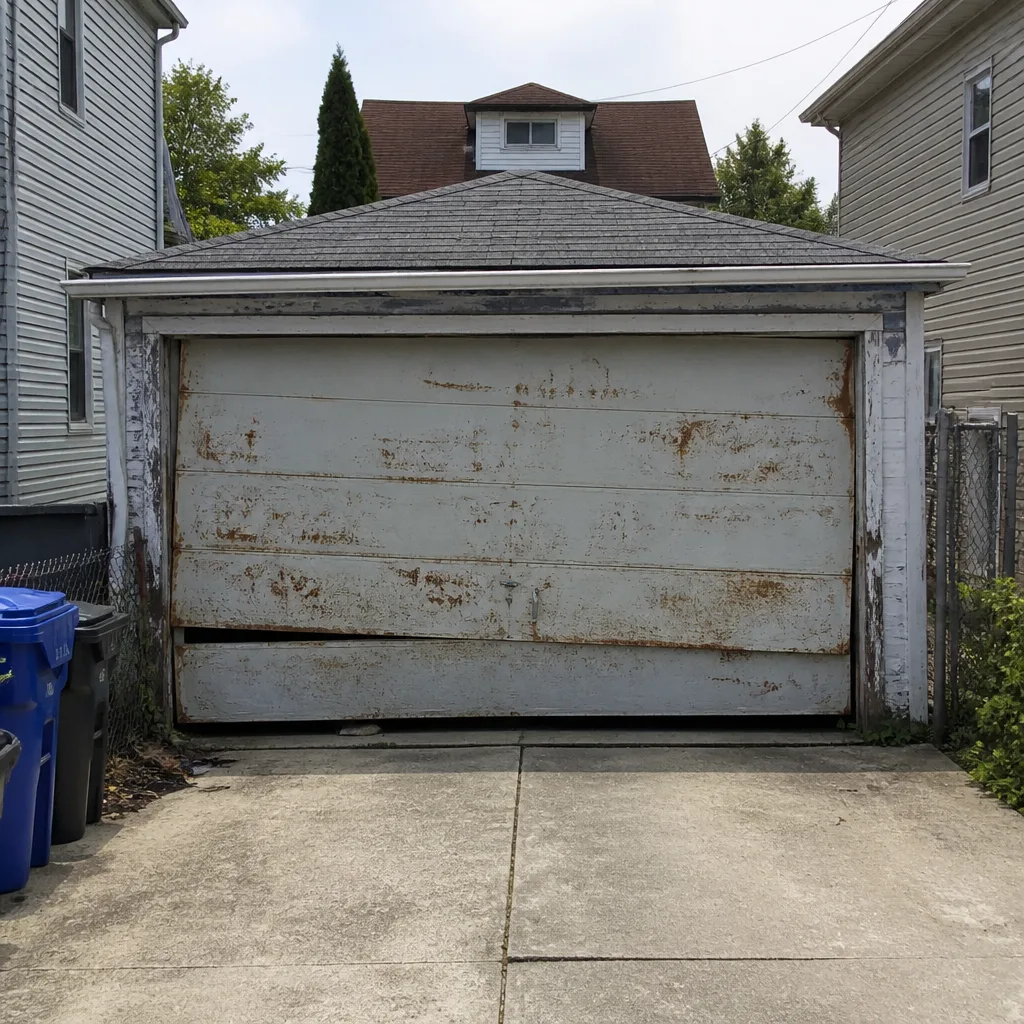 Before
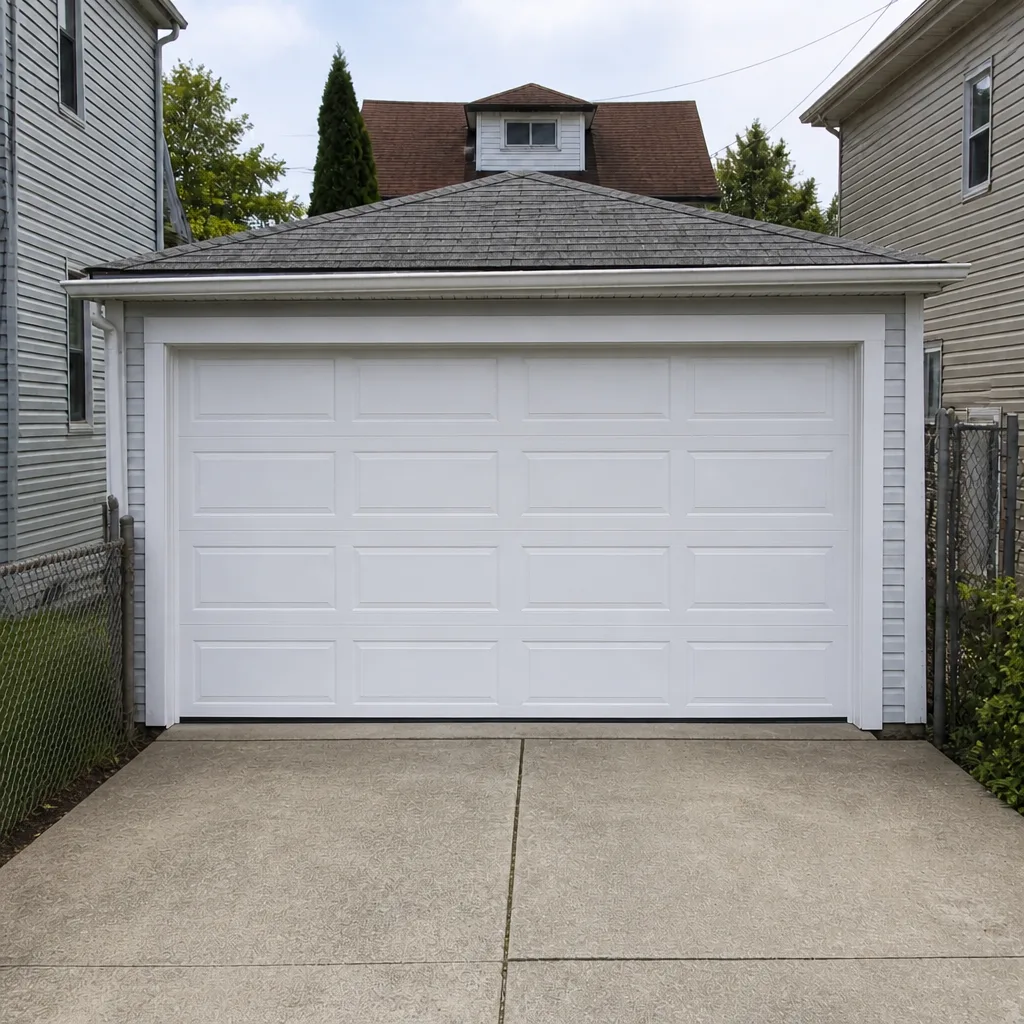 After
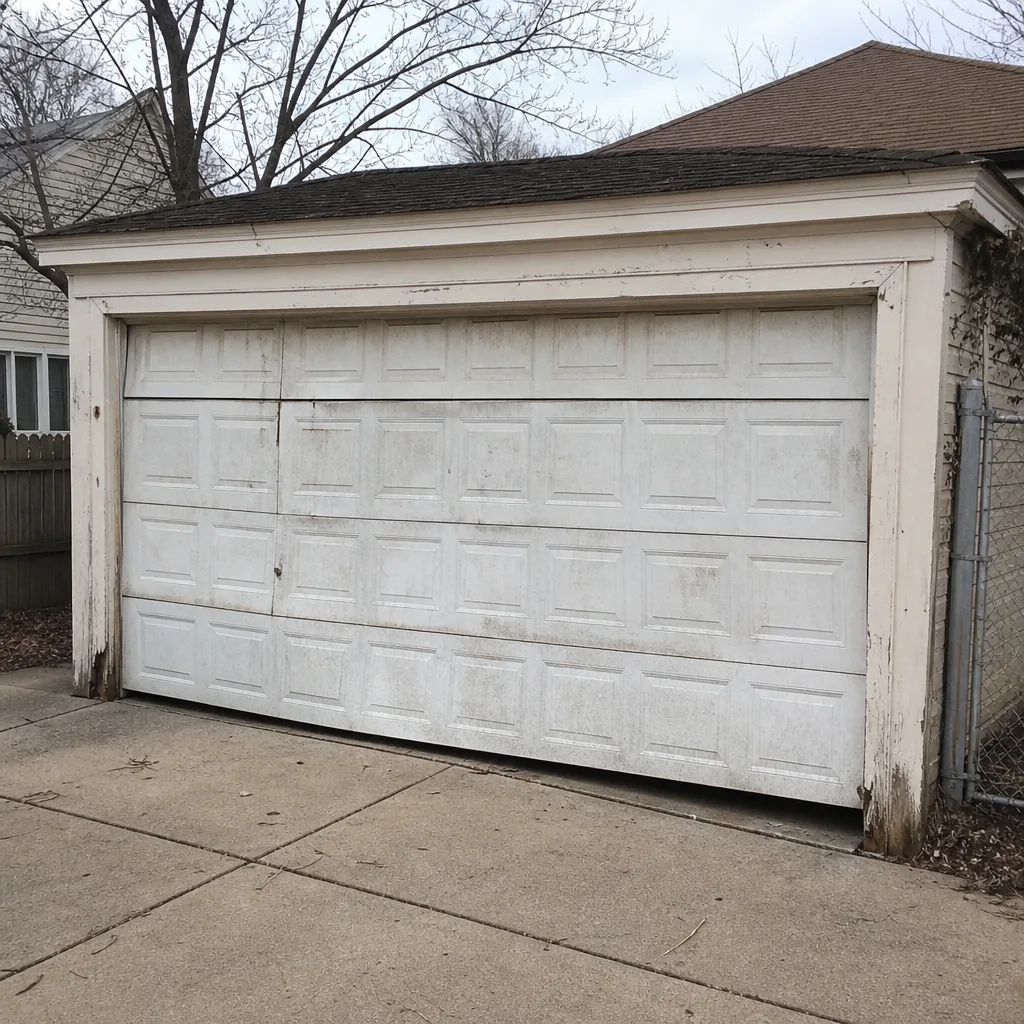 Before
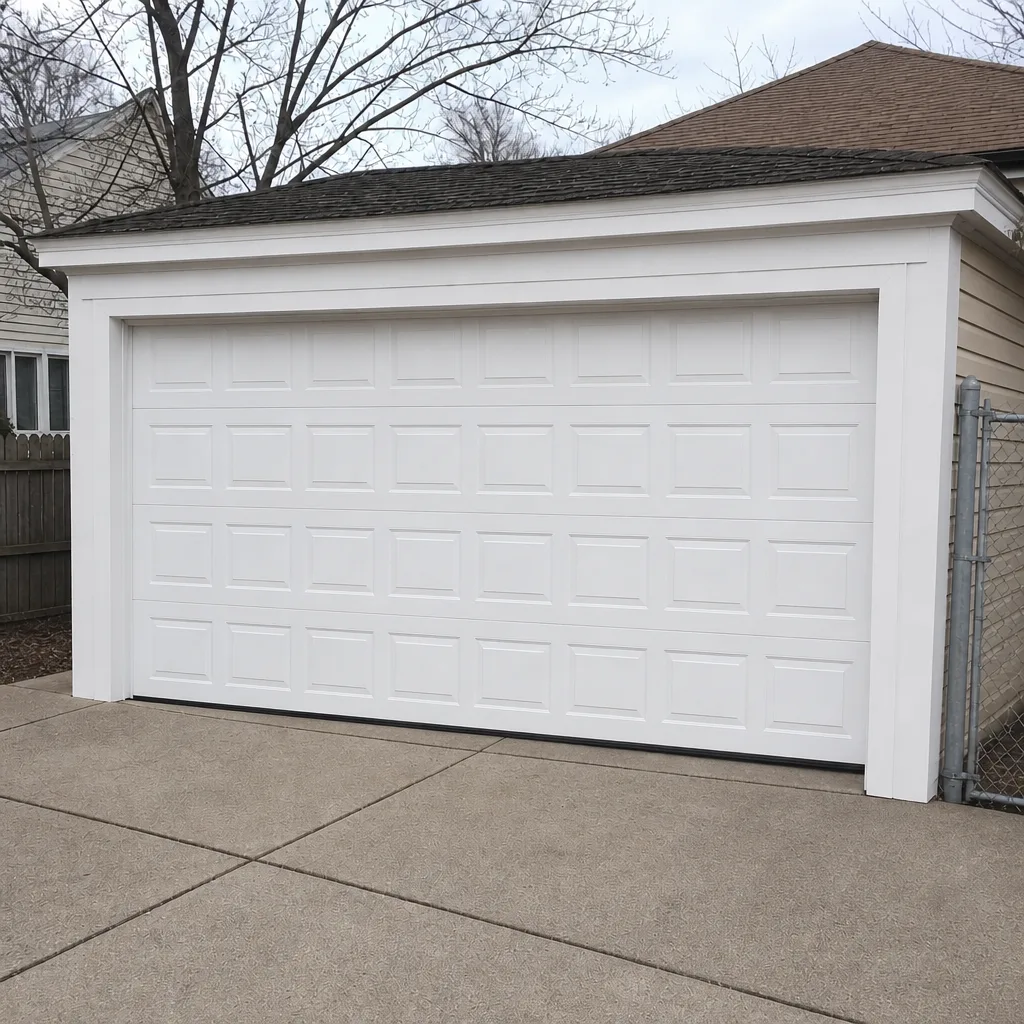 After
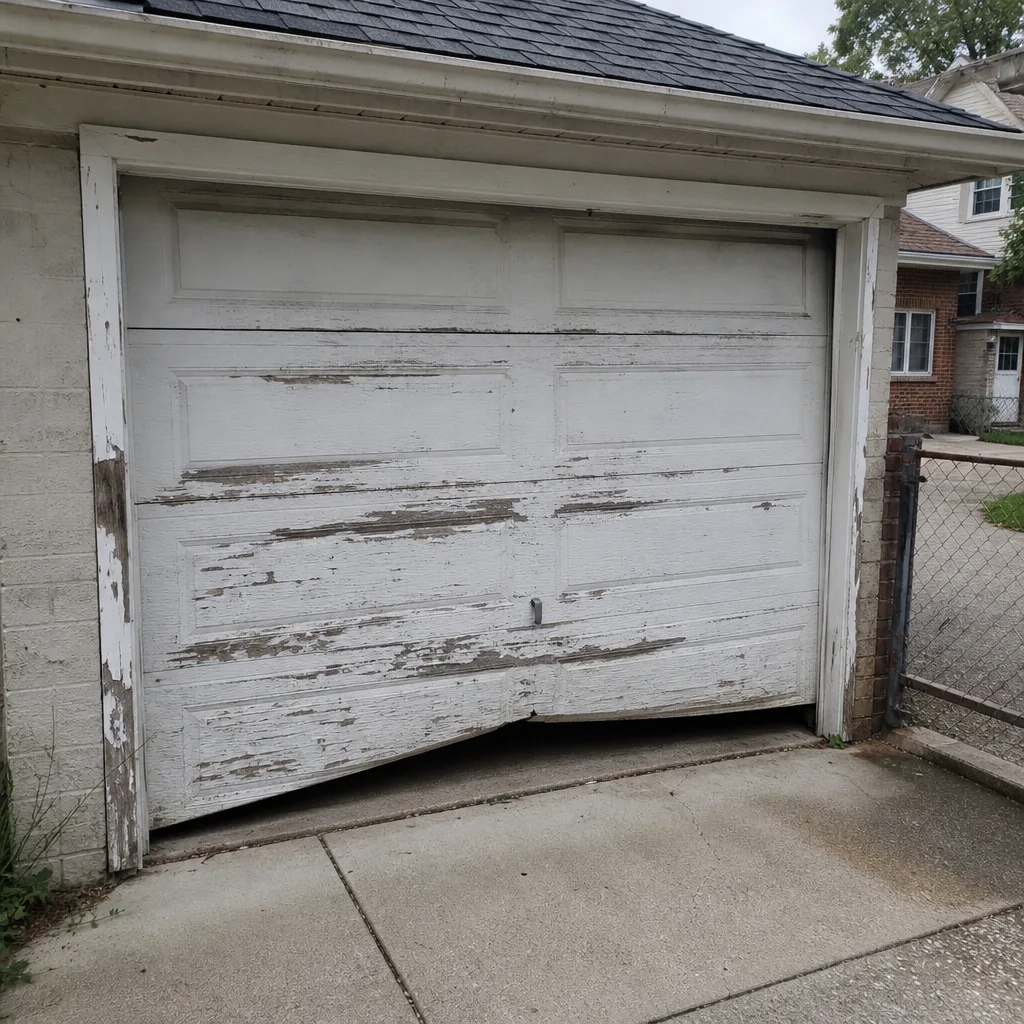 Before
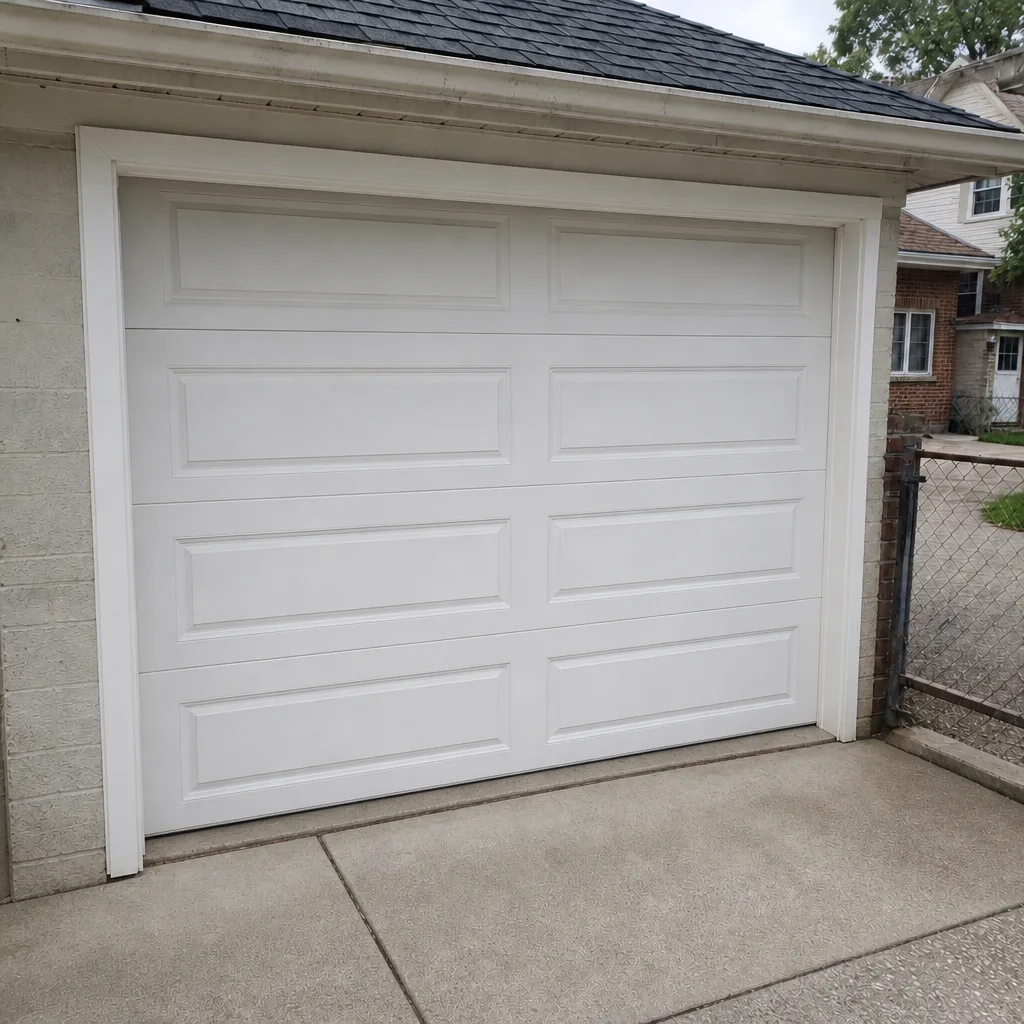 After
When to Call a Professional
Some things you can check yourself: a door that reverses, a remote that stops working, a track that looks bent. But some jobs belong with a specialist. If the door is out of balance, if you hear a snapping or popping sound from above the door, if a cable is frayed, or if the door won’t stay open, stop using it and call. Springs and cables are dangerous and a failed spring can bring a 300-pound door down fast. Door replacement, opener installation, and any change to the opening itself are also professional jobs in Lake View, where headroom and code complicate the work. Garage Door Repair Lake View offers free estimates in Lake View. Call (833) 468-5605.
Frequently Asked Questions
Most Lake View garages have an opening around 8 feet wide by 7 feet tall, which is narrower than the 9-foot standard sold nationally. Measure your opening at the top, middle, and bottom and use the smallest number before you shop. If you’re not sure, a free estimate will confirm the right size.
Replacing a door in the existing opening usually does not require a permit, but changing the size of the opening or the structure may. Rules for detached garages in dense residential zones depend on your lot, so check with the city’s building department or your alderman’s office before ordering. When in doubt, ask first.
Yes, but the opener, rail, and track have to be matched to the short ceiling, and the springs have to be sized for the door’s actual weight. A standard kit forced into a low-headroom space will bind and wear out early. A technician can confirm what fits before you buy.
Installation itself usually takes a day once the door is on site, but the lead time to measure, order, and receive a custom-size door can run several weeks. Standard sizes move faster, but 8-foot openings are less common than 9-foot. Call (833) 468-5605 to talk through timing for your door.
The most common causes are steel rollers on a metal track, a chain-drive opener, and a door that is out of balance. Nylon rollers and a belt-drive opener make a real difference, and a balance adjustment often fixes the rest. A technician can trace the source and recommend the cheapest fix first.
The local professionals we connect you with are licensed and insured as their state requires. Our technicians have up to 10 years of experience, and we work with major brands including LiftMaster, Chamberlain, Genie, Clopay, Amarr, Wayne Dalton, Craftsman, and Raynor. Call (833) 468-5605 for an exact quote.
The Bottom Line
Lake View’s garage doors are shaped by the neighborhood: narrow alley-facing openings, low headroom in older garages, Chicago code on detached structures, and shared walls that make noise a real issue. Measure your opening and headroom before you shop, confirm what’s stocked versus what has to be ordered, and have springs and openers handled by a specialist. Most problems come from treating a Lake View garage like a suburban one. If you want the measurements and the plan checked before you spend, call (833) 468-5605 for a free estimate. Whether it’s a spring, an opener, or a new door, one call covers it.
Written by the team at Garage Door Repair Lake View.