Last updated November 21, 2026
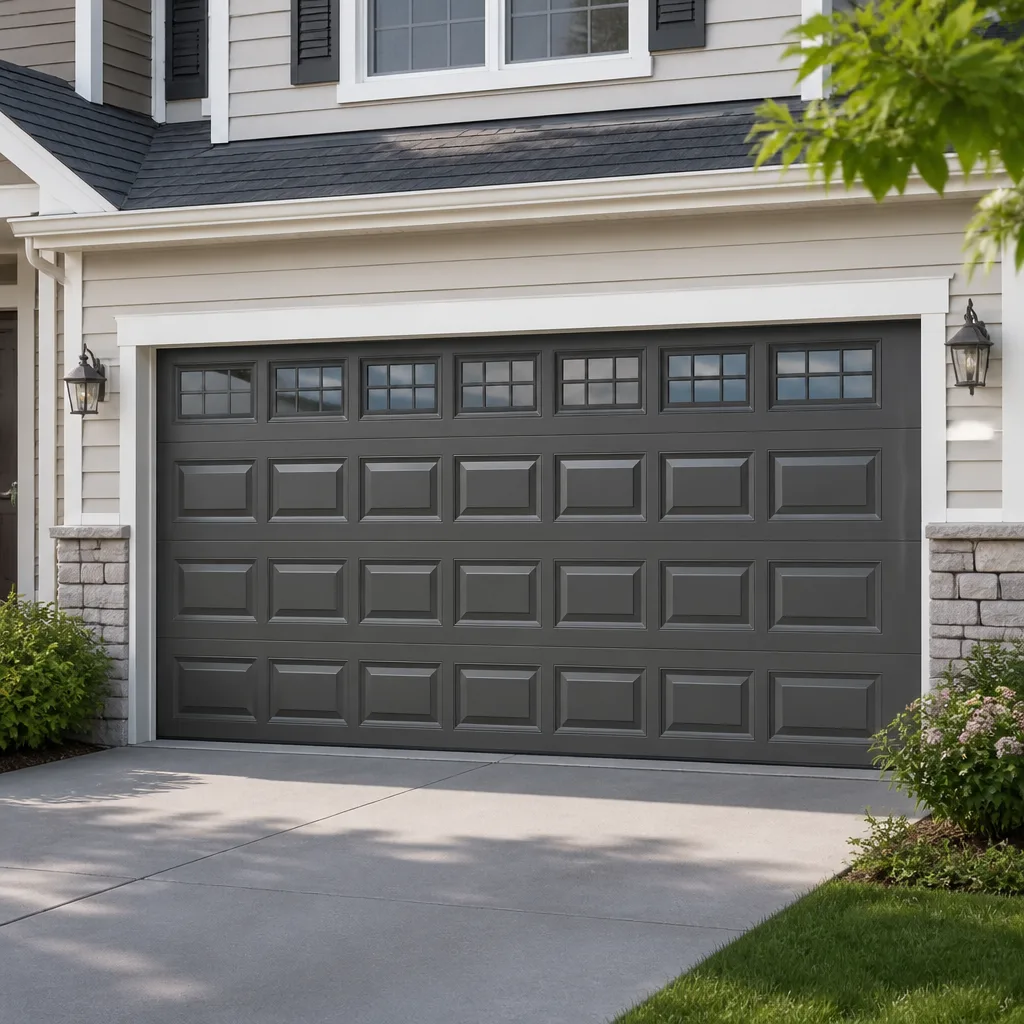 Raised-panel steel
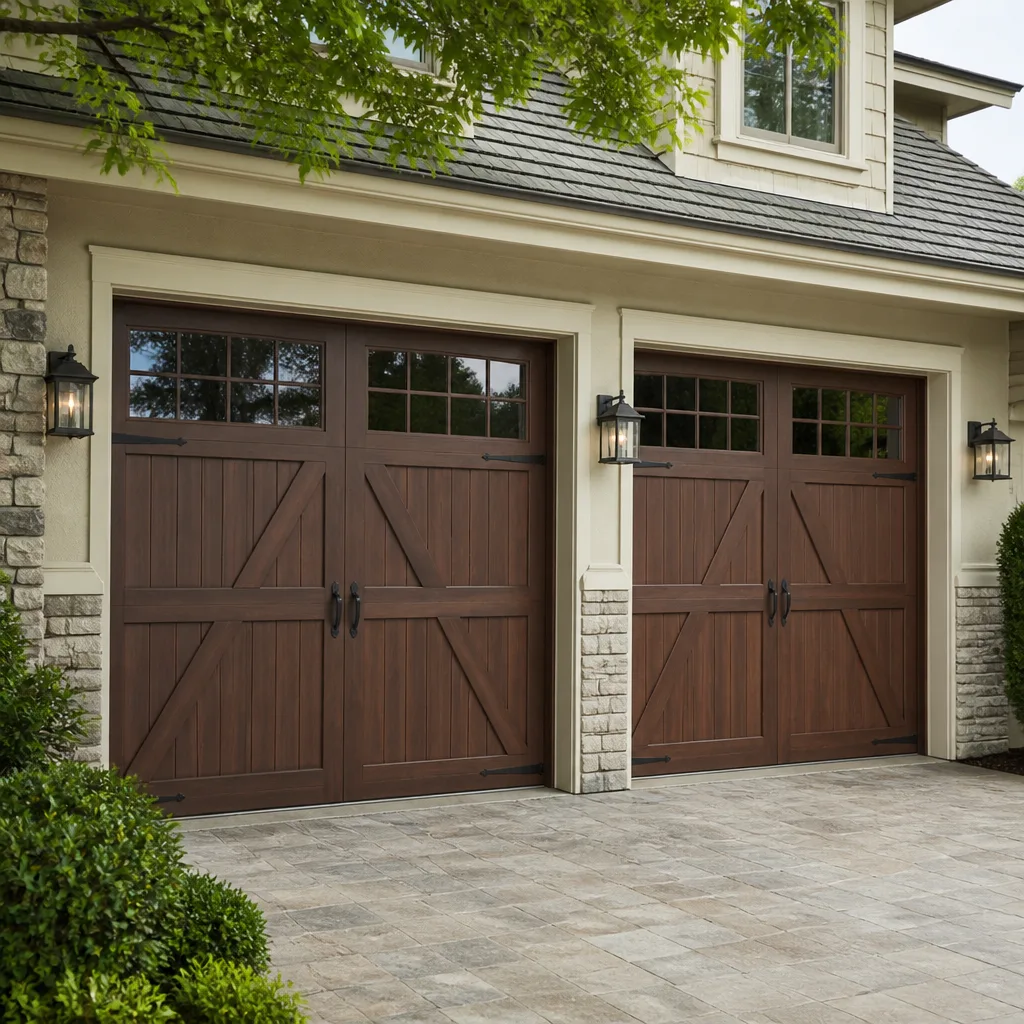 Carriage house
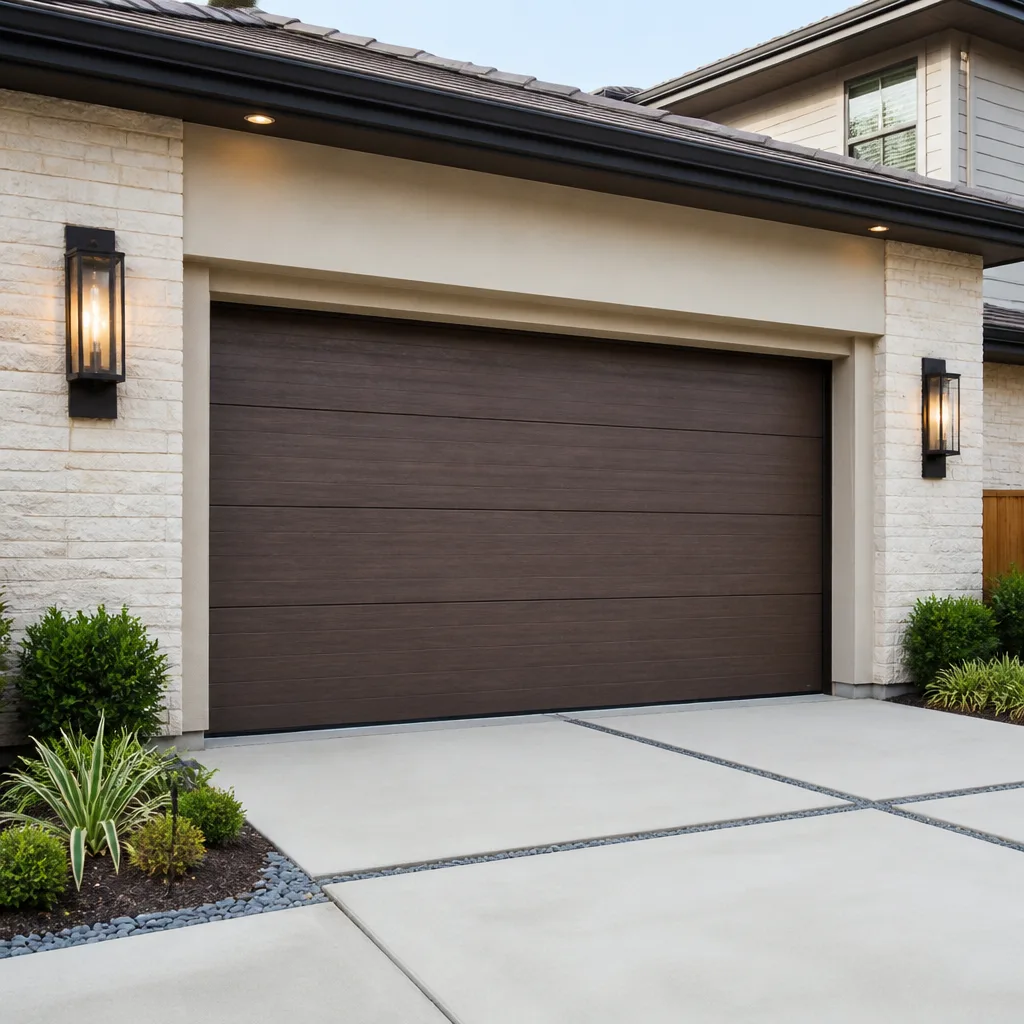 Modern flush
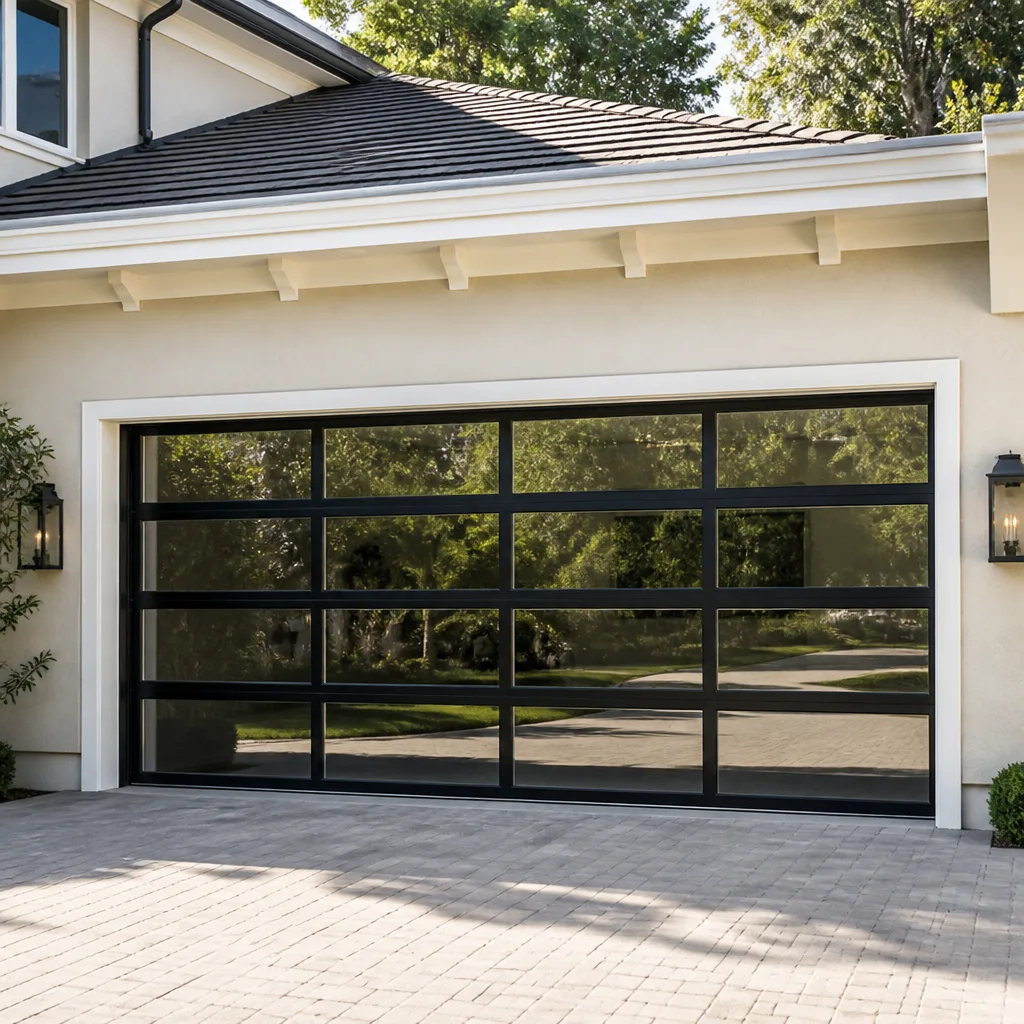 Full-view glass
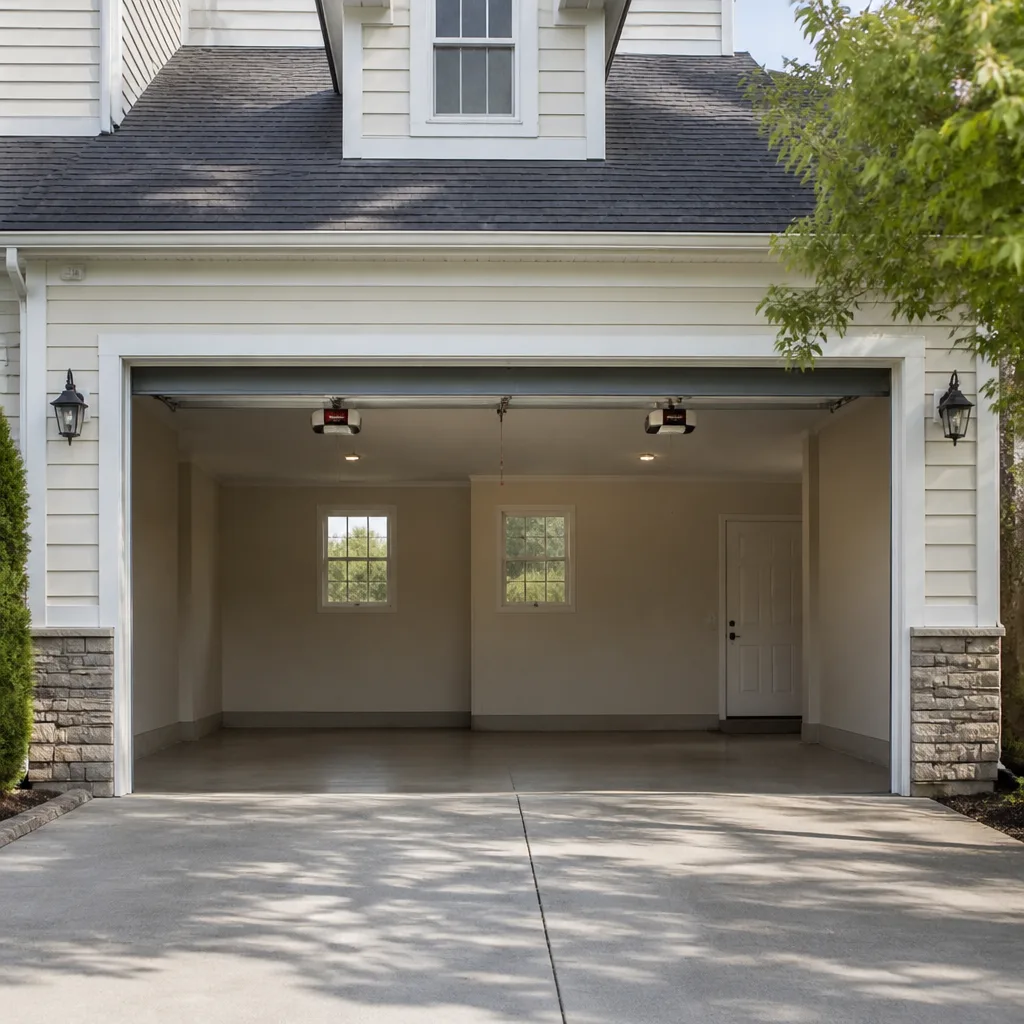 LiftMaster openers
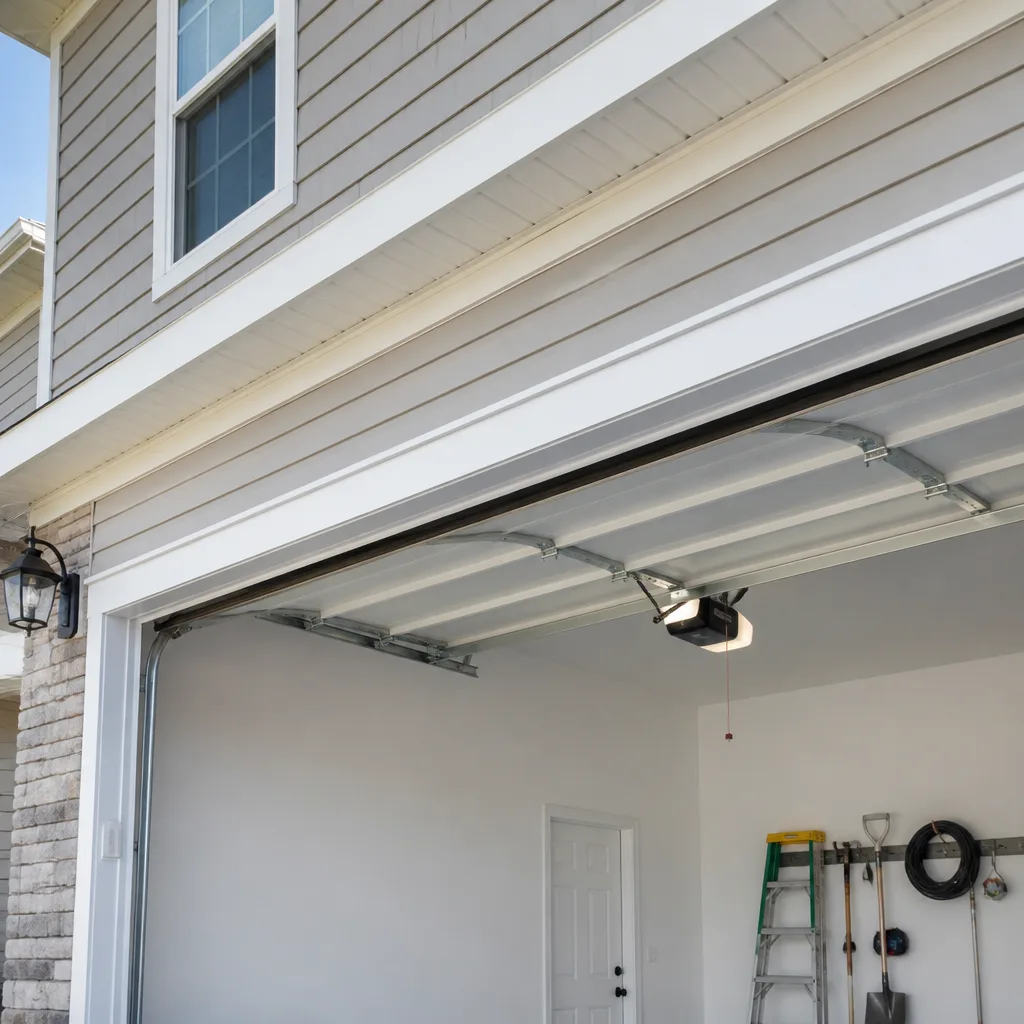 Chamberlain openers
Full 25-point door and opener safety check with every visit - springs, cables, rollers, tracks, and your LiftMaster or Chamberlain opener included
You get a price before we start. It does not change when the pro arrives.
Get your free estimateGarage Door Repair Maintenance Schedule: What to Do and When
A garage door is not a single machine. It’s a system of springs, cables, rollers, hinges, tracks, seals, and an opener, and each of those parts wears out on its own clock. This matters because the popular advice to “lubricate it twice a year” tells you almost nothing useful. You can oil a door faithfully and still have a spring snap without warning, because springs fail by cycle count, not by season. In this guide we’ll lay out a real maintenance schedule built around component lifespan: what to check monthly, what to inspect each season, what to lubricate and with what, and when to bring in a professional. We’ll also explain why a pre-winter checkup makes more sense in Lake View than a spring one, and how a simple service log helps a technician read your door’s wear.
Quick Answer
Check your garage door once a month (cables, rollers, seals, and balance), lubricate moving metal parts every six months with a silicone-based product, and book annual professional inspections for the springs, cables, opener, and hardware. Replace rollers around the 10,000-cycle mark and weatherstripping whenever it hardens or tears. In Lake View, schedule the professional inspection before winter rather than after.
Styles & brands we work with
- Raised-panel steel
- Carriage house
- Modern flush
- Full-view glass
- LiftMaster openers
- Chamberlain openers
Table of Contents
- Why a Garage Door Needs a Component Schedule, Not a Seasonal One
- The Monthly Five-Minute Inspection
- Springs and Cables: The Annual Professional Check
- Rollers, Hinges, and Tracks: The Six-Month Service
- The Right Lubricant for Each Part (and Why Not WD-40)
- Weatherstripping and Seals: Seasonal Inspection
- The Opener Motor: Annual Service and Smart-Opener Tips
- Lake View Winters and the Pre-Winter Trigger Point
- The Service Log Habit That Saves You Money
- Common Mistakes to Avoid
- When to Call a Professional
- Frequently Asked Questions
Why a Garage Door Needs a Component Schedule, Not a Seasonal One
A typical home garage door opens and closes well over a thousand times a year. Every one of those cycles puts wear on the springs, flexes the cables, rolls the rollers along the track, and triggers the opener motor. But the parts don’t wear at the same rate. A torsion spring is rated for a specific number of cycles and then fails, often with no visible warning. Cables can fray slowly over years. Rollers go noisy and flat. Seals harden. The opener motor keeps working long after its internal gears and logic board start to age.
Treating all of that as one job (“lubricate twice a year”) means you service the easy parts and neglect the dangerous ones. An engineer wouldn’t schedule maintenance that way. They’d look at each component’s expected life, set an interval matched to it, and track what they found.
That’s what this schedule does. It separates your door into three maintenance tracks:
- High-frequency checks (monthly) – things you can inspect in five minutes from the floor: cables, rollers, seals, and door balance.
- Interval service (every six months) – lubrication and hardware inspection on rollers, hinges, and tracks.
- Annual professional inspection – springs, cables, opener, and full hardware, done by a trained technician.
Each track covers a different risk. Skip the monthly check and you miss early warning signs. Skip the six-month service and the door gets stiff and noisy. Skip the annual inspection and you may not learn about a worn spring until it fails. If you’d rather have a trained eye walk the whole system once, garage door repair in Lake View starts with a full inspection before anyone touches a tool.
The Monthly Five-Minute Inspection
Most developing garage door problems show visible signs weeks or months before they become emergencies. A five-minute walk-around once a month catches the majority of them. You don’t need tools, and you don’t need to touch anything under tension.
- Look at the cables. With the door closed, check the cables that run down each side. You’re looking for fraying, kinks, or loose strands. A cable that looks fuzzy or has a bird’s-nest kink needs professional attention, not a home fix.
- Check the rollers. Open the door and look at the rollers in the tracks. They should be round and turn freely. Flat spots, cracks, or a wobble mean replacement is coming.
- Test the balance. Disconnect the opener (most have a manual release cord), lift the door about halfway by hand, and let go. A properly balanced door should stay roughly where you left it. If it drops or rises on its own, the springs or cables are out of adjustment.
- Check the weatherstripping. Look along the bottom seal and the side seals. Cracks, gaps, or a seal that’s pulled away from the frame will let in cold air, water, and pests.
- Listen to the door. Run it up and down once and listen. Grinding, squealing, or a loud bang at either end of travel is a signal, not background noise.
Write down anything unusual. That note is the seed of your service log, which we’ll cover further down. If the balance test fails or a cable looks damaged, stop using the door and call a professional. That’s not a repair to defer, and it’s not a repair to attempt yourself.
Springs and Cables: The Annual Professional Check
Springs and cables are the two components that carry the door’s weight, and they are the two that fail most dangerously. Torsion springs, mounted on the shaft above the door, are wound to enormous tension. Extension springs, on doors that use them, stretch along the horizontal tracks. In both designs, a spring that’s near the end of its life can fail with a sharp snap and send hardware flying. Cables under load can do the same.
We recommend a professional inspection once a year for both. During that inspection, a trained technician checks:
- Spring coil condition, gaps, rust, and any sign of fatigue
- Spring count and whether the door is running on the springs it was built for
- Cable condition, routing, and drum seating
- Whether the door is properly balanced after the inspection
This is a safety-critical inspection, and it’s one place where DIY doesn’t make sense. High-tension springs can cause serious injury if handled without the right tools and training, and a spring that’s adjusted wrong puts the whole door at risk. A trained technician can spot the difference between a spring with years left and one that’s close to failing, and they can replace it with the correct spring for your door’s weight and cycle rating.
In our experience, spring wear is the single most common cause of emergency garage door calls in Lake View. That’s why we treat spring repair as a core service, not an add-on. If your annual inspection flags a worn spring, replacing it before it fails is much less disruptive than waiting for the door to drop.
The other reason to inspect annually: spring life is measured in cycles, not years. A door that opens and closes many times a day will wear a spring faster than a door used once a day. Only a qualified inspection tells you which kind of door you have.
Rollers, Hinges, and Tracks: The Six-Month Service
Rollers and hinges are the parts you actually hear. As they wear, the door gets noisier and its motion gets rougher, which puts extra strain on the opener and the springs. Servicing them every six months keeps the whole system running smoothly and pushes roller replacement out to its natural lifespan.
Here’s what a six-month service involves:
- Clean the tracks. Wipe down the inside of both tracks with a damp cloth and a mild cleaner. Dust and grit grind down the rollers. Don’t use grease on the tracks; that collects dirt. The rollers get lubricant, the tracks don’t.
- Lubricate the rollers. A small amount of silicone-based lubricant on each roller’s bearing surface, and on the roller stem where it meets the hinge. Wipe off any excess.
- Lubricate the hinges. A drop at each hinge pivot where the metal moves. Open and close the door a few times after, so the lubricant works into the joint.
- Check the hardware. Look for loose bolts on the hinges and brackets and tighten them with a wrench. Loose hardware is the source of most rattles and a lot of premature wear.
- Inspect the rollers for replacement. Nylon rollers typically last around 10,000 cycles, steel rollers generally less. If yours are flat, cracked, or noisy after lubricating, plan to replace them.
Roller replacement is a good example of why the six-month schedule matters. A worn roller puts extra side load on the track, the hinge, and eventually the spring. Replacing rollers when they first show wear is a small job. Rebuilding a door after a season of grinding is a bigger one.
The Right Lubricant for Each Part (and Why Not WD-40)
The most common maintenance mistake we see is the wrong lubricant in the wrong place. The most common one is WD-40, and it’s the wrong tool for the job here. WD-40 is a light penetrating oil and water displacer. It does loosen stuck parts, but it doesn’t leave the durable film a garage door needs. On a spring or a roller bearing, it evaporates or wears off and attracts dust in the meantime. Repeated use on a roller that needs actual lubrication can make things worse.
Here’s what belongs where:
- Rollers, hinges, and pivot points: a silicone-based spray or a lithium grease made for garage doors. These leave a film that lasts and doesn’t grab dust the way oil does.
- Springs: a light coat of silicone spray at the annual inspection, applied by a technician, helps keep the coils clean and reduces noise. Your annual inspection is the right time for this, not a monthly chore.
- Lock mechanisms and moving latches (on manual doors): a small amount of the same silicone or lithium product.
- Tracks: nothing. Clean and dry. The rollers carry the door; the tracks are a path, not a bearing surface. Greasing the tracks collects dirt and makes the door worse.
- Chain or belt on the opener: the manufacturer’s specified lubricant, applied at the annual service, if the model calls for it at all. Many modern belts don’t need any.
A plain and useful rule: the part that moves gets silicone or lithium-based lubricant, and the part the door slides along stays clean. Once you make that switch, the door gets noticeably quieter, and the rollers last longer.
Weatherstripping and Seals: Seasonal Inspection
Seals don’t affect how the door operates, but they affect how the rest of the door ages. That’s why they belong on the maintenance schedule alongside the mechanical parts. Lake View gets real seasonal swings, and the rubber and vinyl that run along the bottom of the door and around the frame take the brunt of it. They harden in cold, soften in heat, and crack over time.
Inspect seals at the start of each season, and especially going into winter:
- Bottom seal. Look for cracks, flat spots, or a seal that no longer touches the floor all the way across. A gap lets in cold air, water, and pests, and it also means the door isn’t sealing against the floor, which puts the bottom panel under stress.
- Side and top seals. Check that the rubber is still pliable and still touching the door. Gaps along the sides are where drafts start.
- Frame and trim. Look for cracks, rot, or loose sections. If water has been getting behind a seal, the wood around the frame can hold it.
Replacing seals is straightforward and inexpensive compared with almost any other garage door repair, and it’s the kind of work that pays for itself in reduced heating cost and fewer surprises in the spring. If you’re not sure whether a seal needs replacing, test it by closing the door and checking for a visible gap with a flashlight. Light coming through means the seal has lost contact. On Clopay and Amarr doors in particular, the right replacement seal profile matters, and that’s a case for a specialist to source than to guess at.
The Opener Motor: Annual Service and Smart-Opener Tips
The opener is the part most homeowners notice least and service last. It runs on a motor, gears, and a logic board, and it responds to a safety system that needs to work every time. An annual service on the opener is worth the time, and it’s simple to fold into the door inspection.
Here’s what the annual opener service covers:
- Test the safety reverse. Put a solid object under the door and close it. The door should reverse on contact. If it doesn’t, the opener is out of adjustment or the sensors are misaligned, and it needs service before you use the door again.
- Test the photo-eye sensors. Break the beam between the two sensors at the bottom of the door track while it’s closing. The door should reverse. Clean the lenses, and check that nothing has moved in front of them.
- Check the force and travel limits. These are the settings that tell the opener how hard to push and where the door should stop. They drift over time, which causes doors to reverse mid-travel or fail to close fully. A technician can reset them properly.
- Inspect the motor and gear assembly. Listen for grinding, and check for wear at the gear teeth. This is where a trained eye matters: a failing gear can be caught before it strips.
- Review the smart features. If your opener connects to an app or a smart-home system (LiftMaster, Chamberlain, and Genie offer connected models), check that firmware is current and that the connection is stable.
An opener that struggles, reverses at random, or sounds like a coffee grinder is trying to tell you something. In our experience, most opener failures start as small problems that a routine service could catch. If your opener is already misbehaving, start with garage door opener repair rather than a replacement.
Lake View Winters and the Pre-Winter Trigger Point
Generic maintenance advice usually says “service it in spring.” That makes sense in mild climates, but it gets the timing backward for a place with real winter. By the time spring arrives in Lake View, the door has already made it through the hardest part of its year or failed along the way. A pre-winter checkup is where the value is.
Here’s why. Winter puts a specific combination of stress on a garage door:
- Cold stiffens seals and lubricants. Rubber loses flexibility as temperatures drop, and any lubricant that wasn’t meant for cold weather gets thicker. Rollers that turned freely in autumn can drag.
- Metal contracts. Springs, tracks, and hinges all move slightly as temperatures change. Hardware that was snug in summer can loosen.
- Moisture and freeze-thaw cycles. Water that gets under a seal or into a track can freeze, and freezing water shifts things around. Seals that are already worn are the entry point.
- More weight on the door. A stiff, dragging door puts extra load on the opener and springs, which shortens their life.
A pre-winter inspection catches exactly these problems while the weather is still cooperative. It’s a better time to find a worn spring or a stiff roller than on the morning it fails.
We also recommend a spring inspection at this time of year because it’s when a door is likely to be used most heavily with the least margin for trouble. If you schedule one maintenance visit a year in Lake View, make it the pre-winter one. If your door needs a professional once-over before the cold sets in, our Garage Door Repair Lake View team can walk the whole system and tell you what needs attention.
The Service Log Habit That Saves You Money
One of the most useful things you can do for your garage door is also the least glamorous: keep a log. A simple notebook or a note on your phone, with dates and short observations, gives the next technician a real picture of how the door is behaving. It’s the difference between “the door is making a noise” and “the door has been making a grinding noise on the left side for three months, and it’s getting worse.”
What to record:
- Date and what you did. “March 3: lubricated rollers and hinges, cleaned tracks.” That gives a technician a baseline.
- What you noticed. Noises, rough spots, changes in speed, a seal that’s starting to pull away. “Noticed a squeak on the left side at the top of travel.”
- Professional service dates. What was inspected, what was repaired, and what was replaced. If a spring was replaced, the date and spring type matter for the next visit.
- Any changes in use. A new vehicle, a new schedule, a new opener. Usage changes wear patterns.
The bigger benefit is pattern recognition. A technician reading your log can see whether a problem is a one-off or whether it’s been developing for months. Accelerating wear is a signal: if the door has been getting noisier month by month, the timeline matters when a technician decides what to replace and what to monitor. A log is one of the cheapest maintenance tools you’ll ever keep, and it costs nothing.
Common Mistakes to Avoid
- Using WD-40 on the rollers or springs. It’s a water displacer, not a lasting lubricant, and it attracts dust. Use a silicone-based product or garage door grease and leave WD-40 for loosening bolts.
- Greasing the tracks. The tracks should stay clean and dry. Grease grabs grit and makes the door worse, even though it sounds like the right thing to do.
- Adjusting or replacing the springs yourself. Torsion springs are under extreme tension and can cause serious injury without the right tools and training. This is the one job that belongs with a trained technician on every door.
- Ignoring small noises. A rattle or a squeak that appears suddenly in Lake View is often a loose bolt, a worn roller, or a spring that’s starting to go. Waiting for the failure costs more than fixing the noise.
- Missing the pre-winter inspection. Servicing in spring means the door has already been through the hardest months. Schedule the professional inspection in autumn instead.
- Replacing an opener when the door is the problem. A door that’s stiff, off-balance, or running on a bad spring will overload a perfectly good opener. Diagnose the door first.
- Buying an aftermarket seal or roller that doesn’t fit the door. Seal profiles and roller sizes vary by brand. A close match that doesn’t quite fit can leak or bind. On Clopay, Amarr, or Wayne Dalton doors, get the correct part for your model.
When to Call a Professional
Some of the maintenance schedule is yours, and some of it is best left to a professional. Call a pro if you notice any of the following:
- A cable that’s frayed, kinked, or sagging
- A spring that’s broken, or a door that’s too heavy to lift or stays at the wrong height during the balance test
- A door that reverses on its own, doesn’t close fully, or fails the safety reverse test
- Hardware that’s been coming loose repeatedly, or a door that’s started to shift in the tracks
- Any work on high-tension springs, or any situation where you’re not sure the door is safe
That’s when a trained technician is worth the call. It’s also a good time to book an annual inspection if you haven’t had one.
Garage Door Repair Lake View offers free estimates in Lake View. Call (833) 468-5605 and we’ll tell you what the door needs and what it will cost before any work begins. Our technicians have up to 10 years of experience, and we work on equipment from LiftMaster, Chamberlain, Genie, Clopay, Amarr, Wayne Dalton, Craftsman, and Raynor. We keep parts for major brands, so when a repair calls for a replacement part, we’re more likely to finish the job on the first visit instead of ordering and waiting.
Frequently Asked Questions
Service it on three tracks: a five-minute owner check once a month, lubrication of the rollers, hinges, and hardware every six months, and a professional inspection of springs, cables, and opener once a year. If you schedule only one professional visit a year in Lake View, book it before winter so the door is ready for the hardest season. Call (833) 468-5605 to book it and get a free estimate.
Yes, for the rollers, hinges, and pivot points. Use a silicone-based lubricant or garage door grease, and keep the tracks clean and dry. Don’t lubricate or adjust the springs yourself, and don’t try to fix a frayed cable. Spring work is a high-tension job that belongs with a trained technician. If you’re not sure what needs doing, call us at (833) 468-5605 for a free estimate.
Wear accelerates quietly. Rollers flatten, tracks collect grit, seals harden, hardware loosens, and springs move closer to failing with no visible warning. The first sign you’ll notice is often a failure instead of a warning. A skipped schedule doesn’t mean the door breaks tomorrow, but it does mean you find problems later, when they’re bigger and more expensive. Call (833) 468-5605 if you want to get back on schedule.
It depends on cycle count, not calendar time. Springs are rated for a specific number of open-close cycles, and a busy door wears them out faster than a door used once a day. That’s why an annual professional inspection matters: a technician can judge wear directly instead of guessing by the calendar. If your spring is old or the door has been used heavily, it’s worth checking sooner rather than later. Call (833) 468-5605 for a free estimate.
Before winter. Lake View’s cold months put the most stress on seals, lubricants, and hardware, and problems found in autumn are cheaper and easier to fix than problems found when the door won’t open. A spring tune-up is optional; a pre-winter checkup is the one that matters. Call (833) 468-5605 to schedule it.
Often repair is the right answer, especially if the structure is sound and the problem is a single component like a spring, roller, or opener. Replacement makes more sense when the door is damaged in multiple places, the panels are out of production, or you want a different style or safety feature. If you’re considering a new door, explore garage door installation and ask for a measurement and a written price. Installation work is scheduled, not same-day, so give yourself a window. Call (833) 468-5605 for a free estimate.
The Bottom Line
A garage door is a mechanical system, and every part of it wears on its own timeline. Handle the maintenance that way and you’ll catch problems while they’re still small. Do a monthly five-minute check of cables, rollers, seals, and balance. Lubricate rollers, hinges, and hardware every six months with silicone-based lubricant, and keep the tracks clean and dry. Book a professional inspection of springs, cables, and opener once a year, and in Lake View, time that visit before winter. Replace rollers around 10,000 cycles, keep a running log of what you notice, and always leave spring work to a trained technician. That’s the whole schedule, and it’s not complicated once you stop thinking in seasons.
If the door needs a professional, Garage Door Repair Lake View can help. Call (833) 468-5605 for a free estimate.
Written by the team at Garage Door Repair Lake View.
See the difference
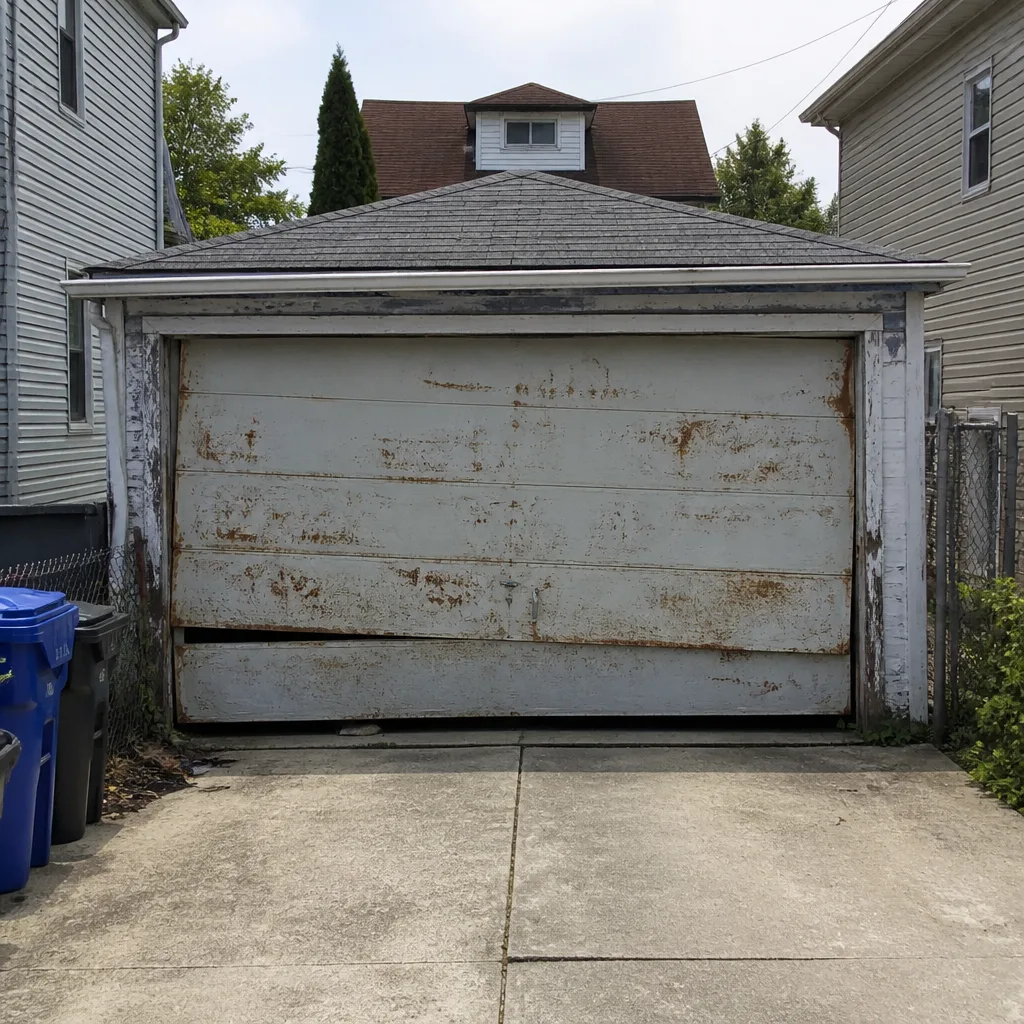 Before
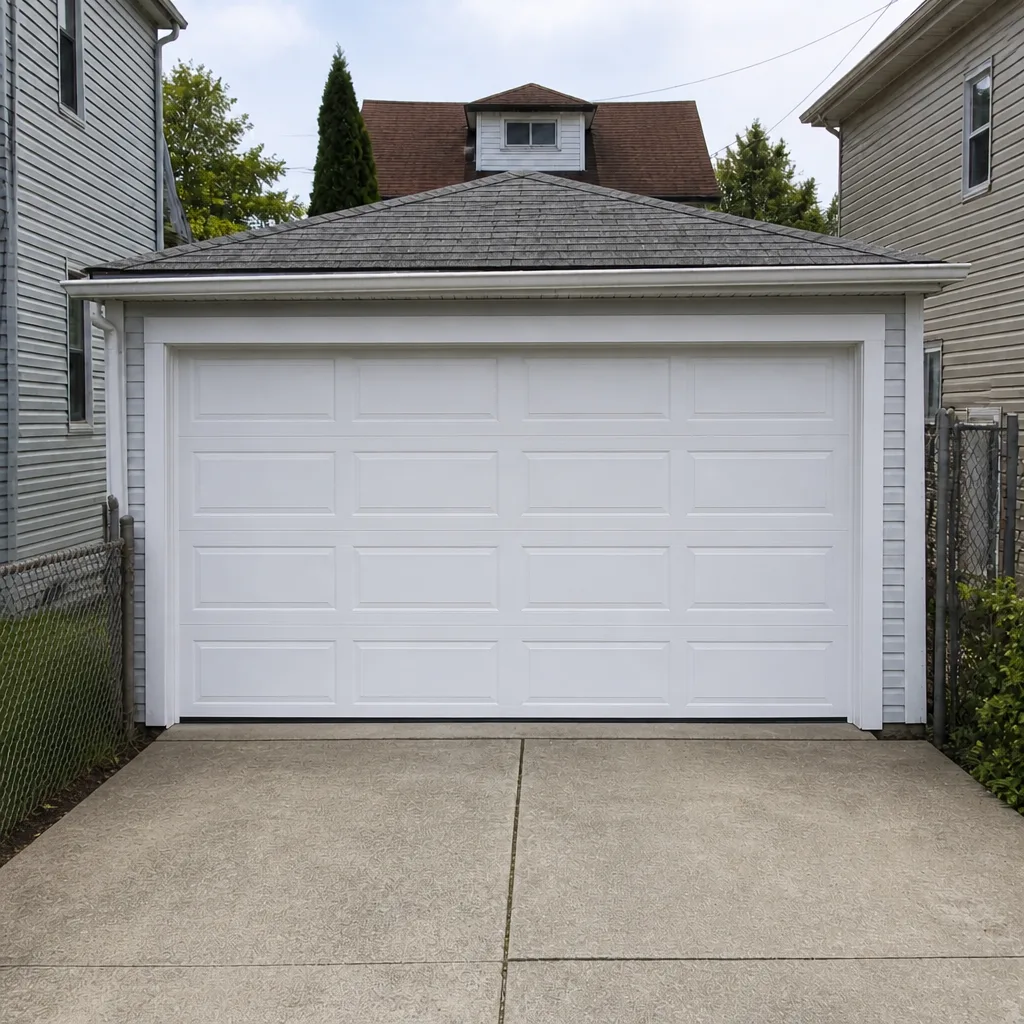 After
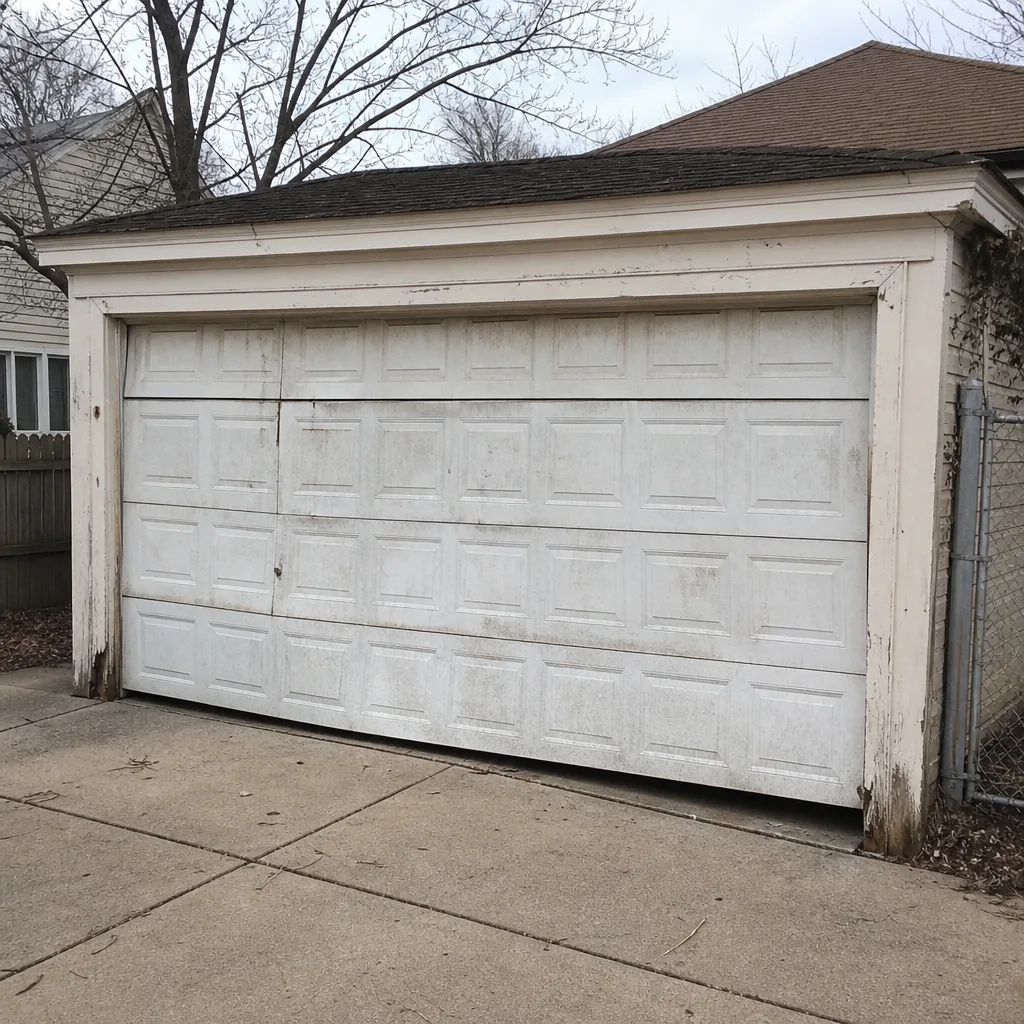 Before
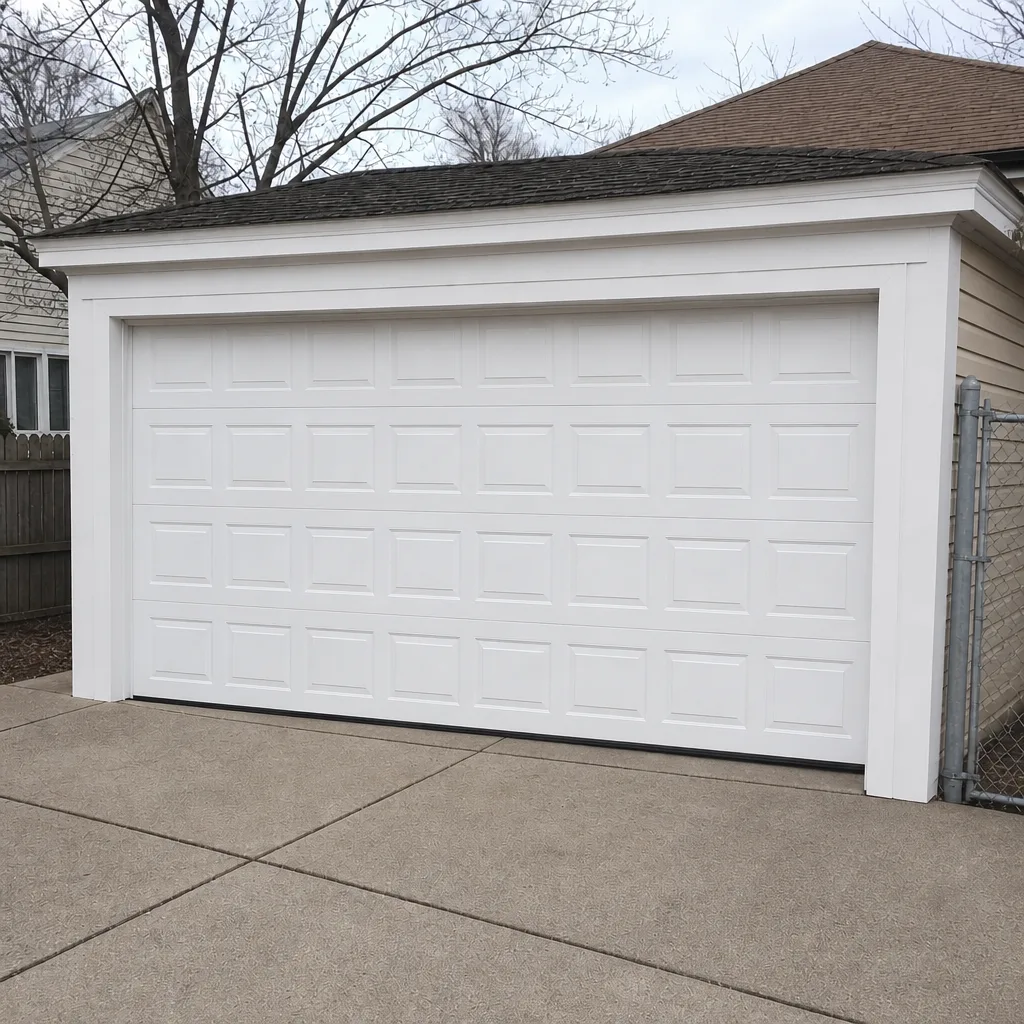 After
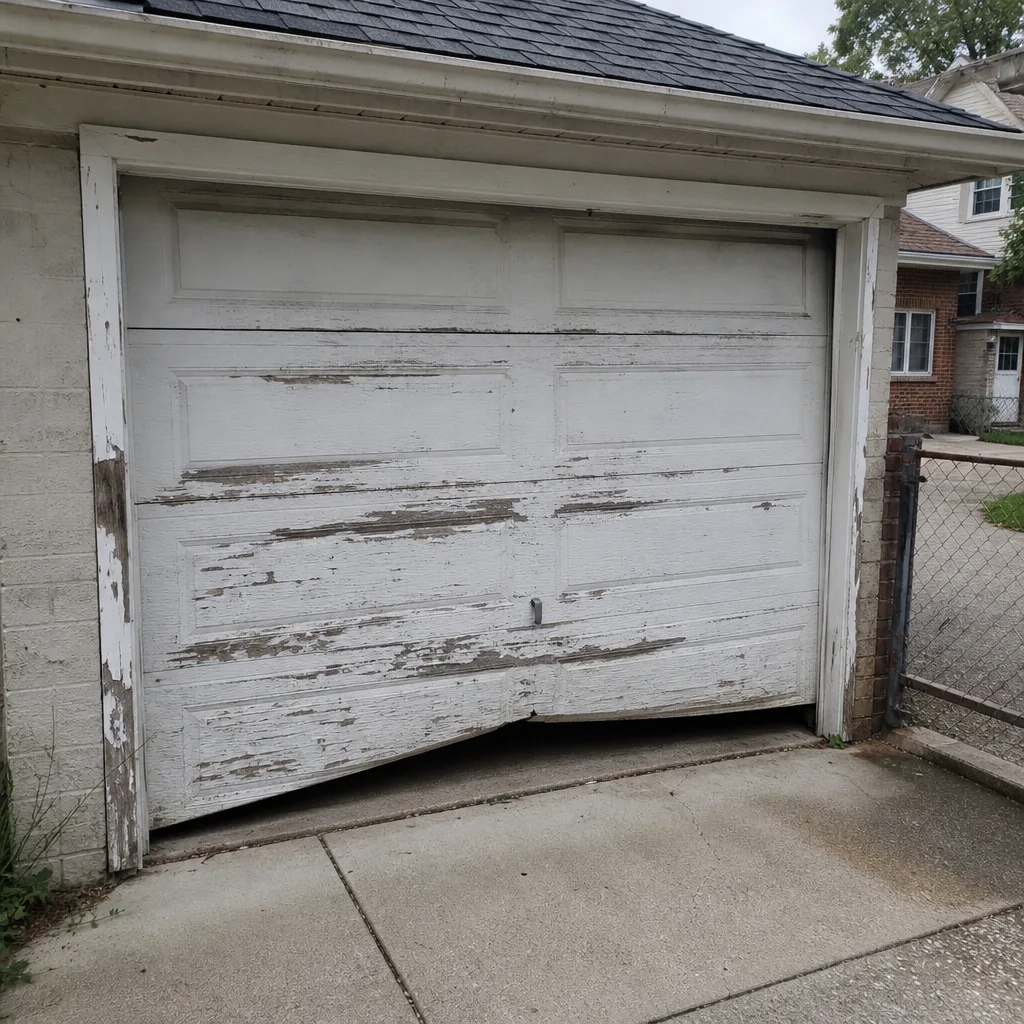 Before
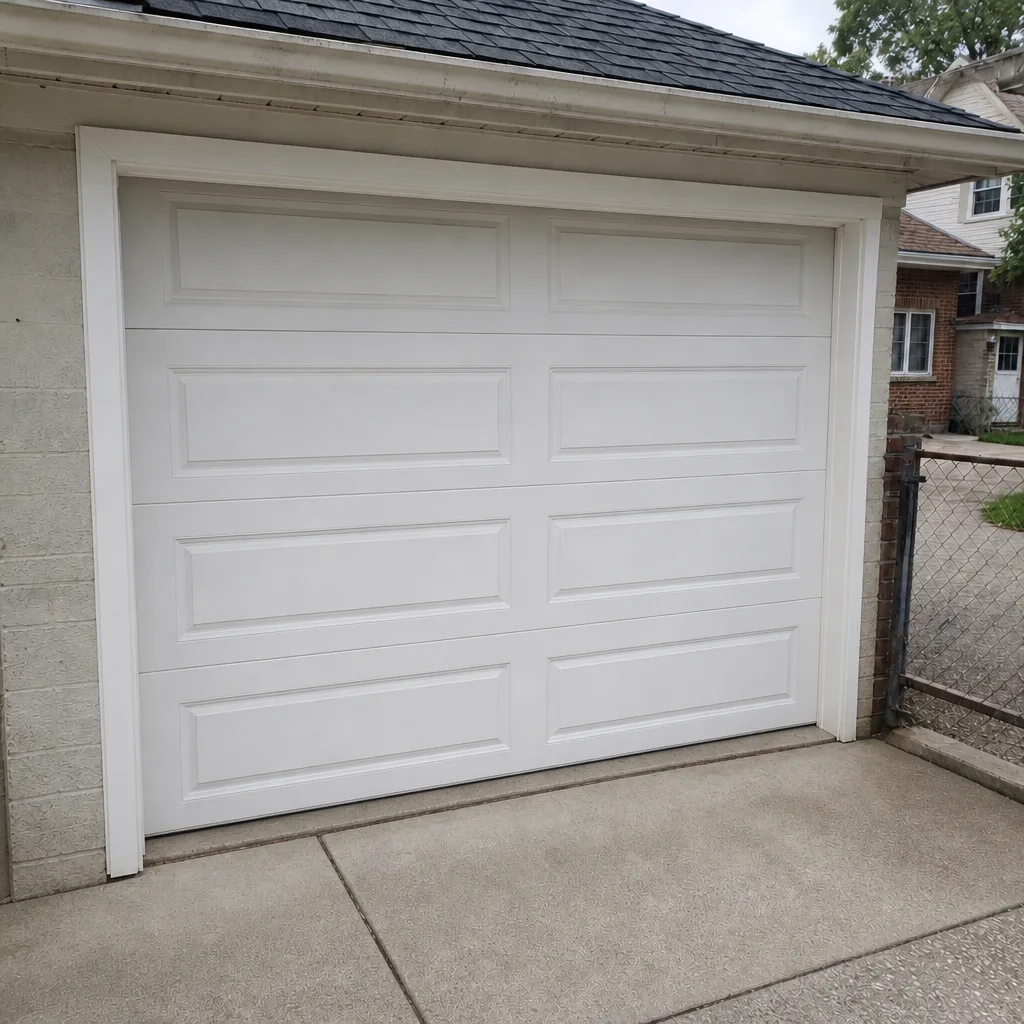 After