Last updated November 21, 2026
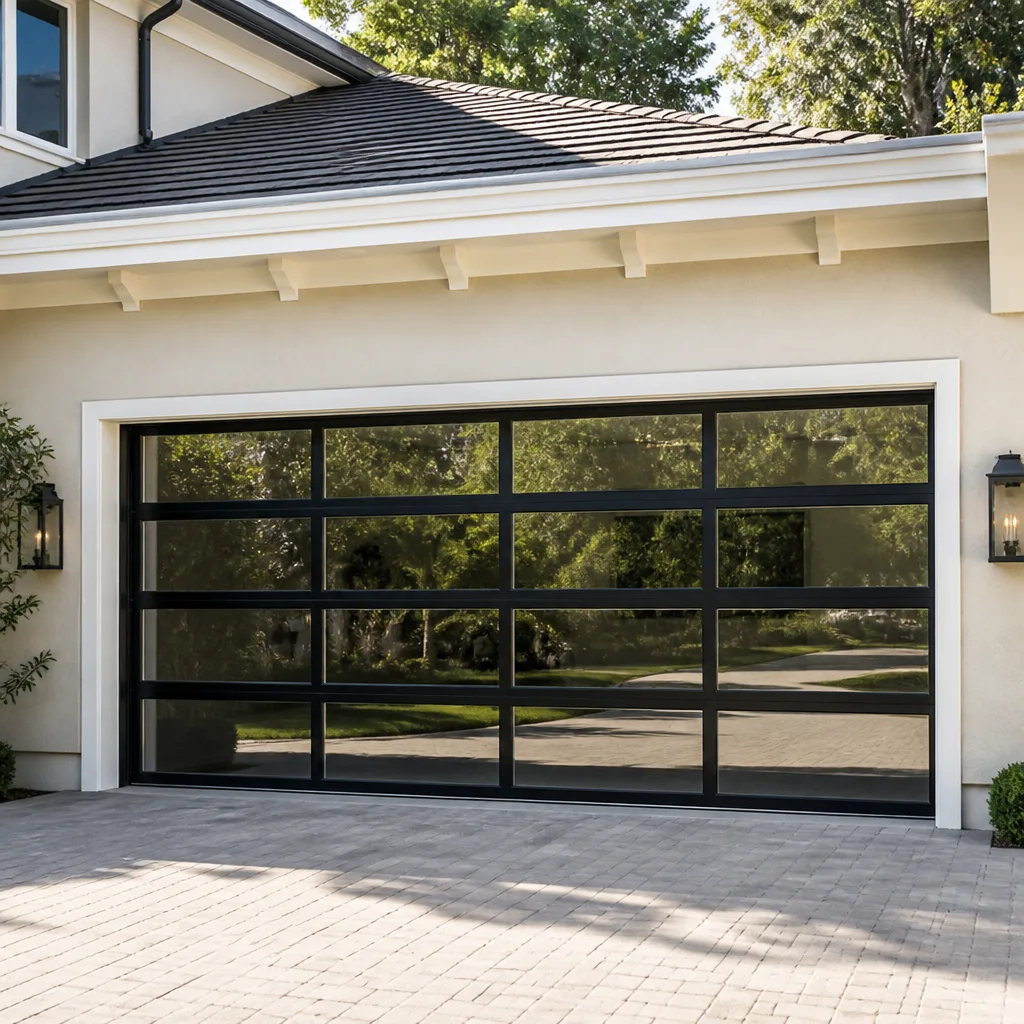 Full-view glass
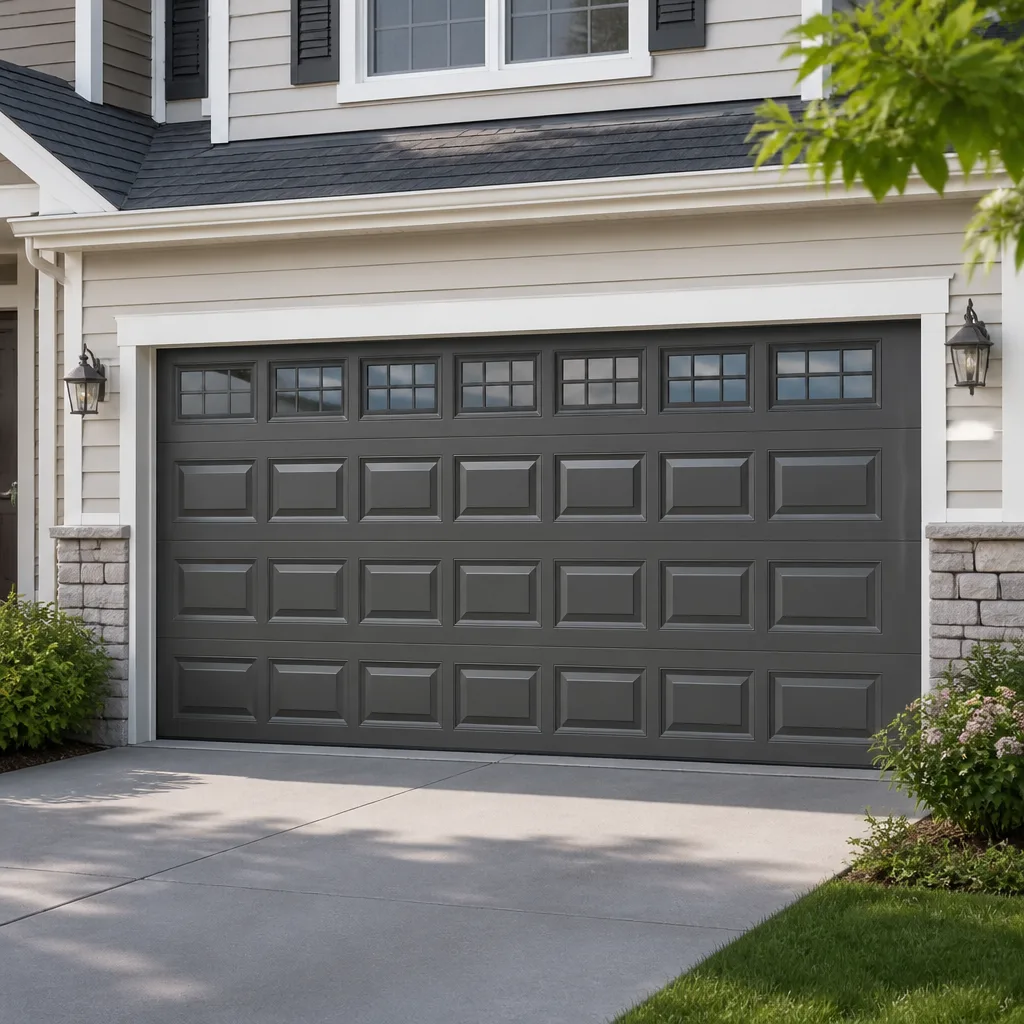 Raised-panel steel
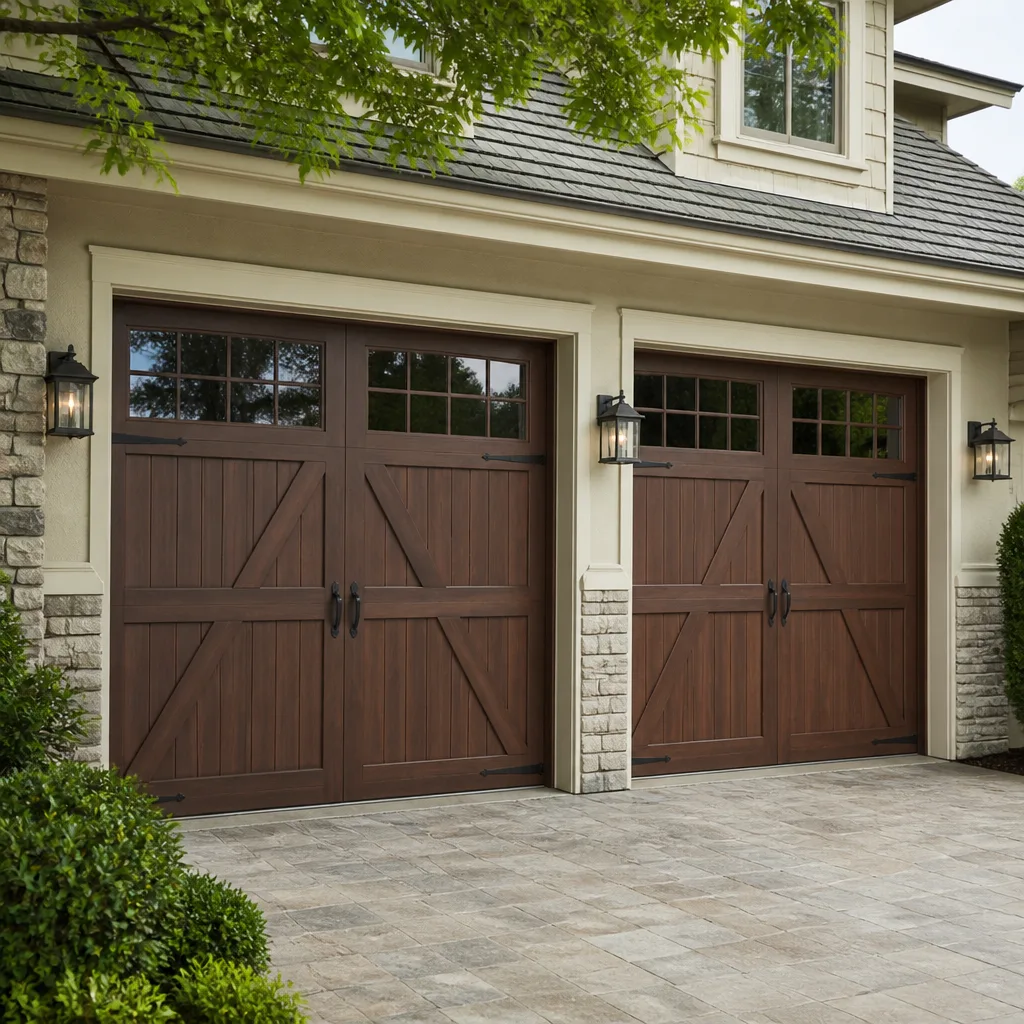 Carriage house
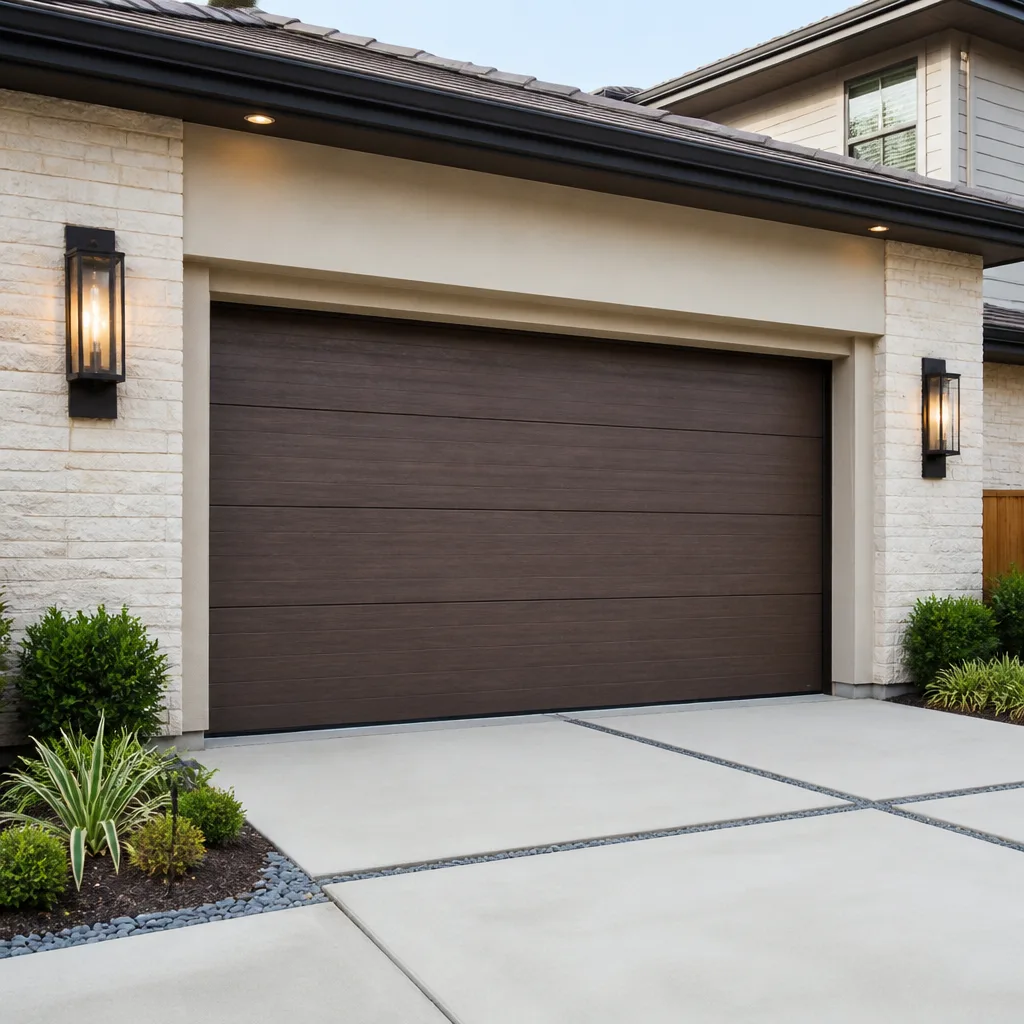 Modern flush
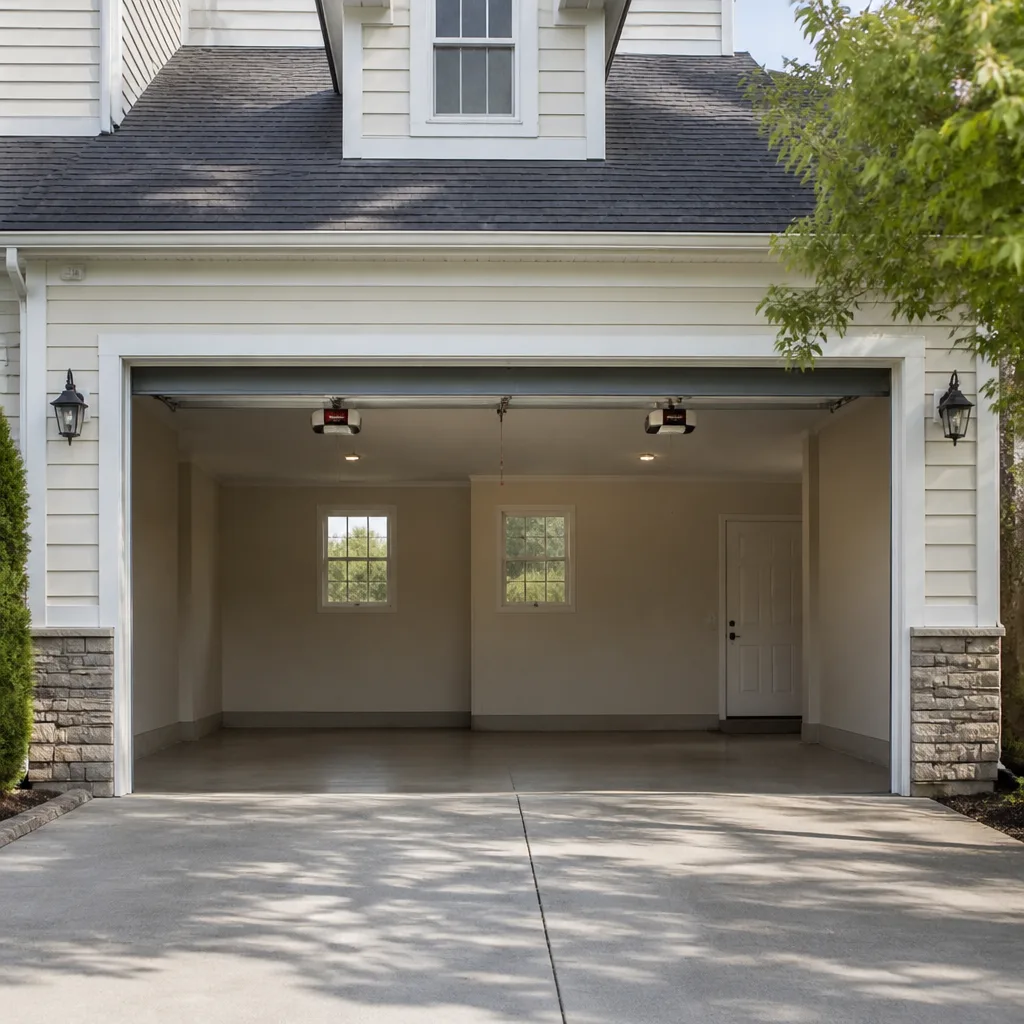 LiftMaster openers
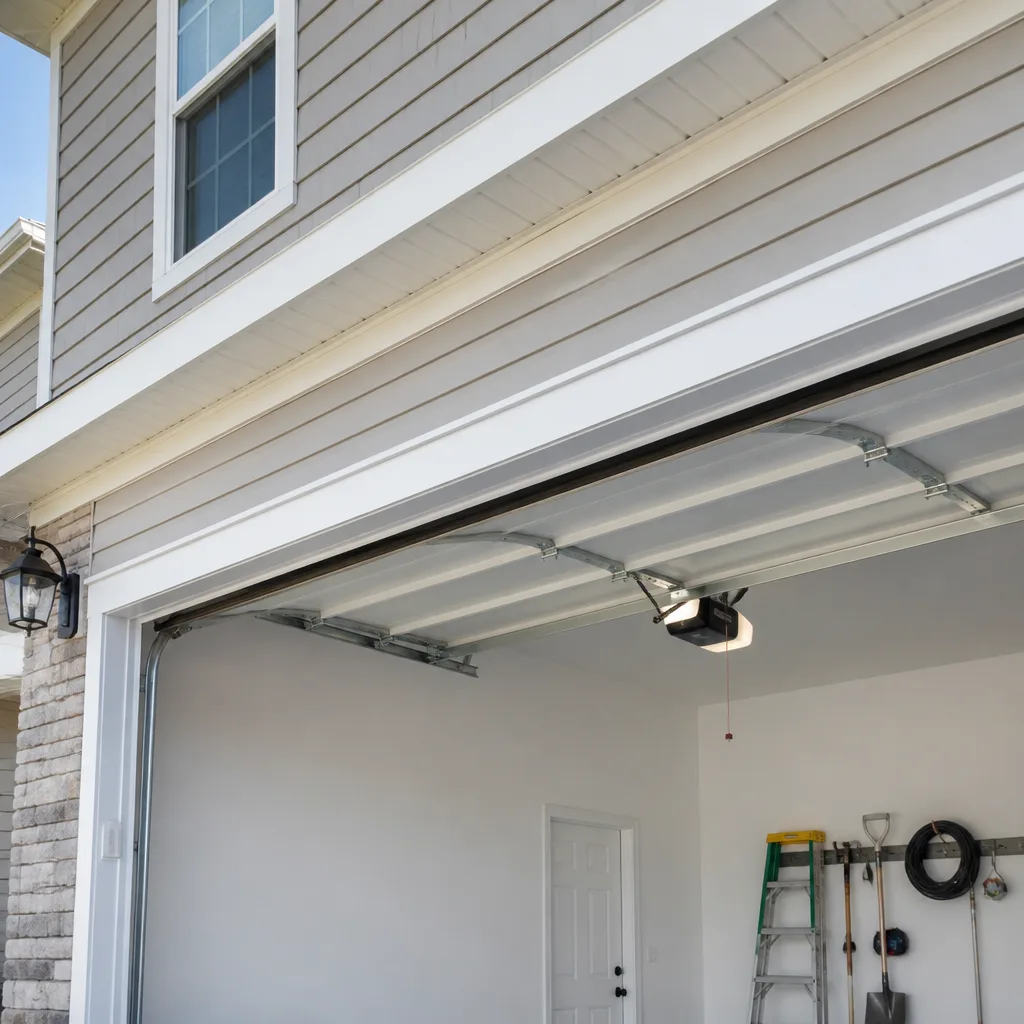 Chamberlain openers
Full 25-point door and opener safety check with every visit - springs, cables, rollers, tracks, and your LiftMaster or Chamberlain opener included
You get a price before we start. It does not change when the pro arrives.
Get your free estimateGarage Door Warning Signs: A Lake View Homeowner’s Reference Guide
Most homeowners treat the garage door as a single appliance: it goes up, it goes down, it works. In practice it’s a system of balanced tension, and the parts under load usually announce they’re failing well before they fail. A door doesn’t snap a cable out of nowhere. The cable frays at the drum first. It slips a groove. It develops a kink. All three are visible in the 30 seconds most people never spend looking, because they’re watching their phone while the door closes. This guide maps the specific sounds, movements and visual cues to their mechanical causes, so you can tell a small fix from a coming failure. We cover Lake View doors and the tracks they ride every day.
Quick Answer
The main warning signs of a failing garage door are a grinding, popping or squealing noise during travel, a door that hesitates on the way up and drops faster on descent, a bottom edge that sits off-center, a visibly frayed or kinked cable, and an opener that strains or reverses without cause. Any of these means the balance system or the hardware is under stress. In Lake View, we treat the hesitation-then-drop pattern and a cable that’s out of its groove as the two signs that most often mean same-day attention rather than a wait-and-see.
Styles & brands we work with
- Raised-panel steel
- Carriage house
- Modern flush
- Full-view glass
- LiftMaster openers
- Chamberlain openers
Table of Contents
- What Your Door’s Sounds Are Telling You
- What to Look For Without Touching Anything
- Is Your Door Just Slow, or Is the Opener Overworked?
- The Movement Pattern That Signals a Spring Losing Tension
- Why an Off-Center Door Is a Structural Warning
- How Lake View Weather Changes the Symptoms
- Symptom-to-Cause Index
- Common Mistakes to Avoid
What Your Door’s Sounds Are Telling You
Sound is the first diagnostic tool a homeowner has, and it’s free. The trick is separating a noise that’s been there for years from one that started last month. Grinding, popping, squealing and slapping each point at a different part of the system, and mixing them up sends you to the wrong repair.
- Grinding: usually metal-on-metal contact somewhere in the track or the rollers. It often starts quietly and builds. A dry roller or a track that’s been nudged out of alignment is the common source.
- Popping: the heavier of the four, and the one we take most seriously. It can point to a torsion spring or the hardware that holds it, or a track section that’s buckling under travel. Stop running the door and get it looked at.
- Squealing: almost always roller or hinge related. Less urgent than popping, more persistent than a single dry joint.
- Slapping or rattling: loose hardware. Bolts back out, hinges work free, and panels start to slap against the frame as the door moves.
If the sound is new, note whether it happens on the way up, on the way down, or only at the moment the door starts. That last detail tells us whether it’s a travel issue or a startup issue, and it shortens diagnosis considerably.
What to Look For Without Touching Anything
You don’t need to touch hardware to spot most failures. Stand on the floor, look up, and check three things: the cables, the drums at the top corners, and the springs. A visual check from a safe distance catches a lot before it becomes a call.
- The cables. Look for fraying, kinks or strands that have separated. A cable that’s starting to fail often shows a rough patch near the drum where it winds.
- The drums. The drum at each top corner should hold the cable neatly in its groove. A cable sitting off to one side, or riding up over the edge, is a warning.
- The springs. On a torsion setup, the springs run along a shaft above the door. Look for a visible gap in the coil, which is what a broken spring looks like. On extension springs, which run along the tracks, check for a deformed or stretched coil.
- The track. Sight along it from the floor. A track that’s not straight, or has a dent or a kink, will drag the door and strain the opener.
A word of caution. Look, don’t touch. The springs and cables on a garage door are under high tension. A torsion spring can hold the weight of the door and release it violently if handled without the right tools. Leave anything that needs contact to a trained technician; that’s a hard line for us, and it should be for you too. If you ever suspect a spring or cable has failed, stop using the door and call for garage door repair rather than cycling it to see what happens.
Is Your Door Just Slow, or Is the Opener Overworked?
A slow door isn’t a personality trait. It’s a measurement. If the door used to open in eight seconds and now takes twelve, something changed. Either the opener is weaker, the door is heavier, or the balance system is out of adjustment. The second and third are the ones that cost money if ignored.
Here’s how to tell the difference on your own. Run the door and listen to the motor. A properly balanced door is light in the opener’s hands, and the motor sounds steady and even. A door carrying a mechanical problem makes the opener work harder, and you’ll hear it: a change in pitch, a slower start, a slight strain near the top of travel. The opener isn’t failing. It’s compensating.
Startup is the tell. A door that needs a moment to get moving, then runs smoothly once it’s underway, is fighting its own weight. That’s a balance issue. On the opener side, we work with the systems in most Lake View garages: LiftMaster and Chamberlain units are the ones we see most, and Genie and Craftsman round out the older stock. Modern connected openers have their own habits, and an opener that reverses for no apparent reason, or one that stops a third of the way up, can be a safety-sensor problem rather than a motor problem. That’s where garage door opener repair comes in, and it pays to know which of the two you’re dealing with before anyone touches the door.
The Movement Pattern That Signals a Spring Losing Tension
Springs fail gradually before they fail outright, and the pattern is consistent. Watch the door start. On a balanced setup, a torsion spring carries the door’s weight through the whole travel. As the spring loses tension, it stops pulling its share and the opener picks up the load. You notice it as hesitation on the way up, then a heavier, faster drop on descent. The door isn’t centered on the spring anymore; it’s being pushed up by a motor and dragged down by its own weight.
That hesitation-then-drop pattern is the single most useful early warning on a garage door, and it’s the one most people write off as normal aging. It buys you time. A spring that’s still lifting the door is a spring you can replace on a scheduled visit. A spring that’s lost enough tension is one that can break under load, sometimes with the door on it.
Two more things to watch for:
- Door won’t stay open at the halfway point: a balance check. Disconnect the opener and lift the door by hand to about waist height. If it drops or rises on its own, the spring tension is off. If it hangs where you put it, the balance is roughly right.
- A loud bang from the garage: often the sound of a torsion spring breaking. If you hear it, leave the door where it is. Don’t try to open it. A door with a broken spring is heavy enough to be dangerous, and forcing an opener is a good way to wreck the opener too.
Spring work is our core specialty for exactly this reason. Springs and cables carry the door’s weight, and a botched replacement is one of the most common DIY injuries in the garage. For a Lake View home, we’d rather quote a spring job than an emergency call after a failed attempt.
Why an Off-Center Door Is a Structural Warning
A door that sits slightly crooked at the bottom looks like a cosmetic problem. It almost never is. If one corner reaches the floor before the other, the door isn’t square to the opening, and that points at the track, the brackets or the panels themselves. The bottom seal gap you see is the symptom, not the cause.
Start with the track. Sight along it from the floor and look for a bend or a kink. A track that’s been bumped, or one that’s shifted because a bracket pulled loose from the wall, will pull the door off-center as it travels. The rollers follow the track, so a warped track means a door that doesn’t track straight. Over time that shows up as uneven gaps, worn rollers and a strain on the opener.
Then look at the panels. A bent or dented panel is a common cause of an off-center door, and on a steel door a small dent can develop into a panel that binds. If the door is a Clopay or Amarr, panel replacement is usually possible without changing the whole door. If the panels are past it, garage door installation is the cleaner route, and it’s worth a free measure and a written price before you decide.
How Lake View Weather Changes the Symptoms
Chicago winters are hard on garage doors, and the symptoms shift with the season. When the temperature drops, the metal in the tracks and hinges shrinks slightly and the grease in the rollers thickens. Doors that run smoothly in spring can start grinding in January. That grind is often lubrication and adjustment, not a failing part.
The bigger seasonal issue is the freeze-thaw cycle. Water gets into a small gap around the bottom seal, freezes, and expands. Over a few winters that works on the seal and the bottom panel. A door that sits slightly off-center will show the problem faster, because the gap is wider at one corner and collects more water. If you’re telling a technician about a noise or a wobble, mention whether it’s worse in cold weather. In our experience, a symptom that only appears in January is usually a different repair than one that shows up in July.
Spring is the other season to watch. Sudden temperature swings change the tension load on the springs, and a spring that’s been running low on tension all winter often breaks in the first warm week. If your door showed the hesitation-then-drop pattern at any point over the winter, spring is the right time to have it checked rather than waiting for a break.
Symptom-to-Cause Index
Keep this one handy. It maps what you notice to what it usually means, so you can describe it accurately when you call. Any of these can be confirmed or ruled out during a single visit.
- Grinding on travel: dry or worn rollers, or a track out of alignment.
- Popping or a single loud bang: torsion spring or spring hardware. Stop using the door.
- Squealing: roller or hinge friction. Usually a lubrication and adjustment job.
- Slapping or rattling: loose hardware, working bolts, a panel that’s come loose.
- Hesitation up, fast drop down: spring losing tension. Get it checked before it breaks.
- Door reverses for no reason: safety sensor or opener fault, not necessarily a mechanical problem.
- Off-center at the floor: track, bracket or panel issue. Rarely cosmetic.
- Cable frayed or off its drum: cable nearing failure. Don’t run the door.
- Door won’t stay halfway when disconnected: spring tension out of balance.
- Opener strains or changes pitch: opener compensating for a heavier door.
Common Mistakes to Avoid
- Treating a new noise as normal. A noise that started last month isn’t the same as one that’s been there for years. Note when it started and what it sounds like; that’s the difference between a small fix and a bigger repair.
- Running the door to see if it fixes itself. Cycling a door with a frayed cable or a low-tension spring puts the failing part under load again. In Lake View winters, that’s when a marginal part lets go.
- Handling springs or cables without the right tools. A torsion spring holds the door’s weight. Injury here is not rare and not mild. Look from the floor, leave the hardware alone.
- Forcing a door whose spring has broken. The opener isn’t built to lift the full weight of a door without spring assistance. Forcing it damages the opener and risks the door dropping.
- Assuming an off-center door is cosmetic. It’s a tracking or structural signal. Addressing the seal gap without fixing the track means the gap comes back.
- Buying a new opener to fix a door problem. If the door hesitates on the way up, the opener may be the messenger, not the cause. Diagnose the door first; a smart opener won’t fix a balance issue.
- Ignoring the door after the last repair. A 30-second visual check of the cables, drums and springs from the floor catches most of what goes wrong before it does. Most of the doors we see in Lake View that fail didn’t need to.
See the difference
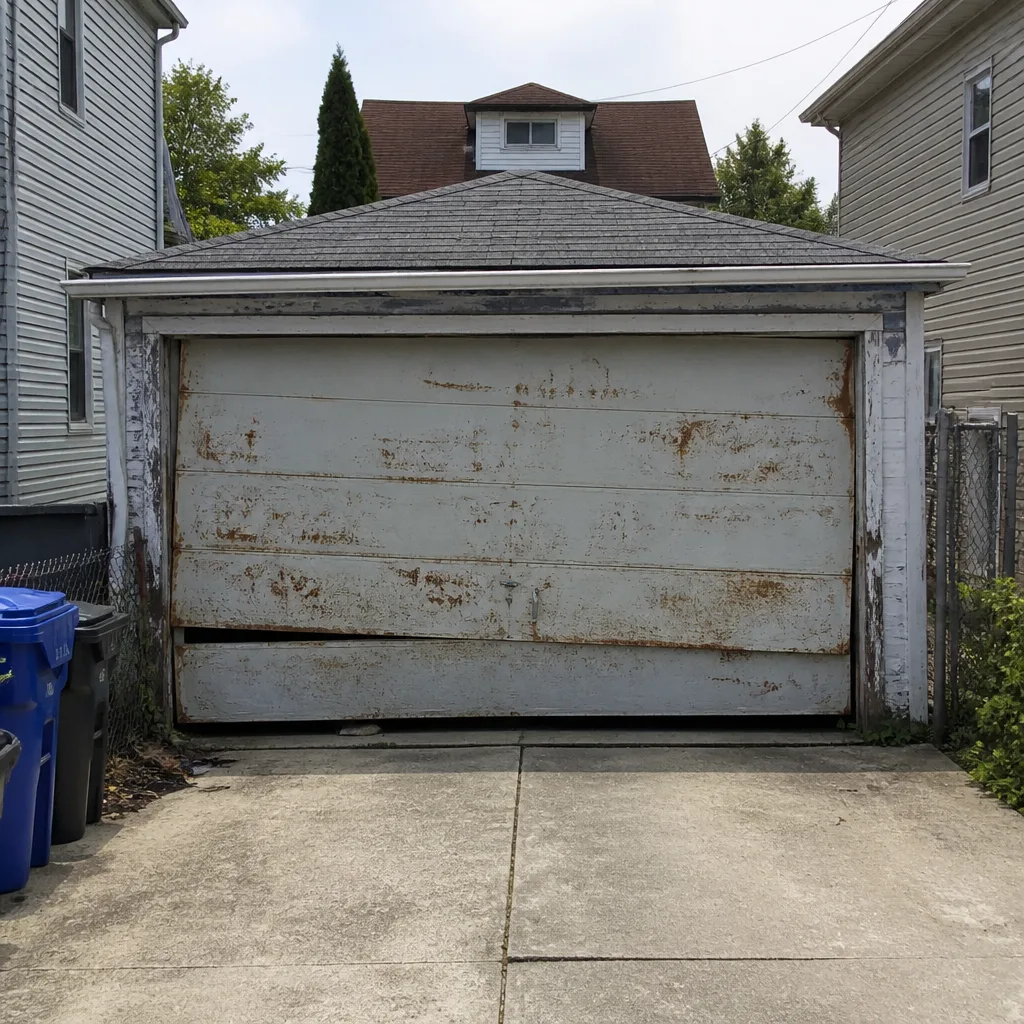 Before
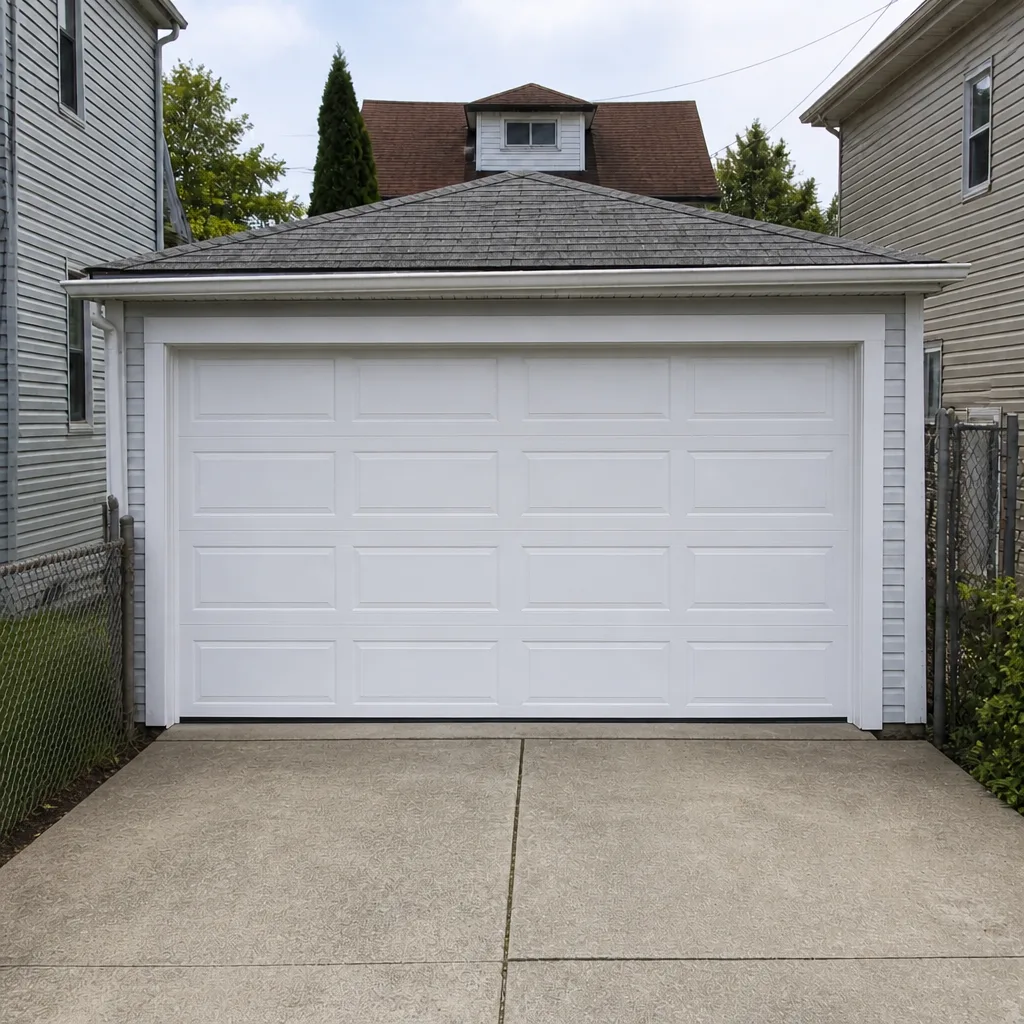 After
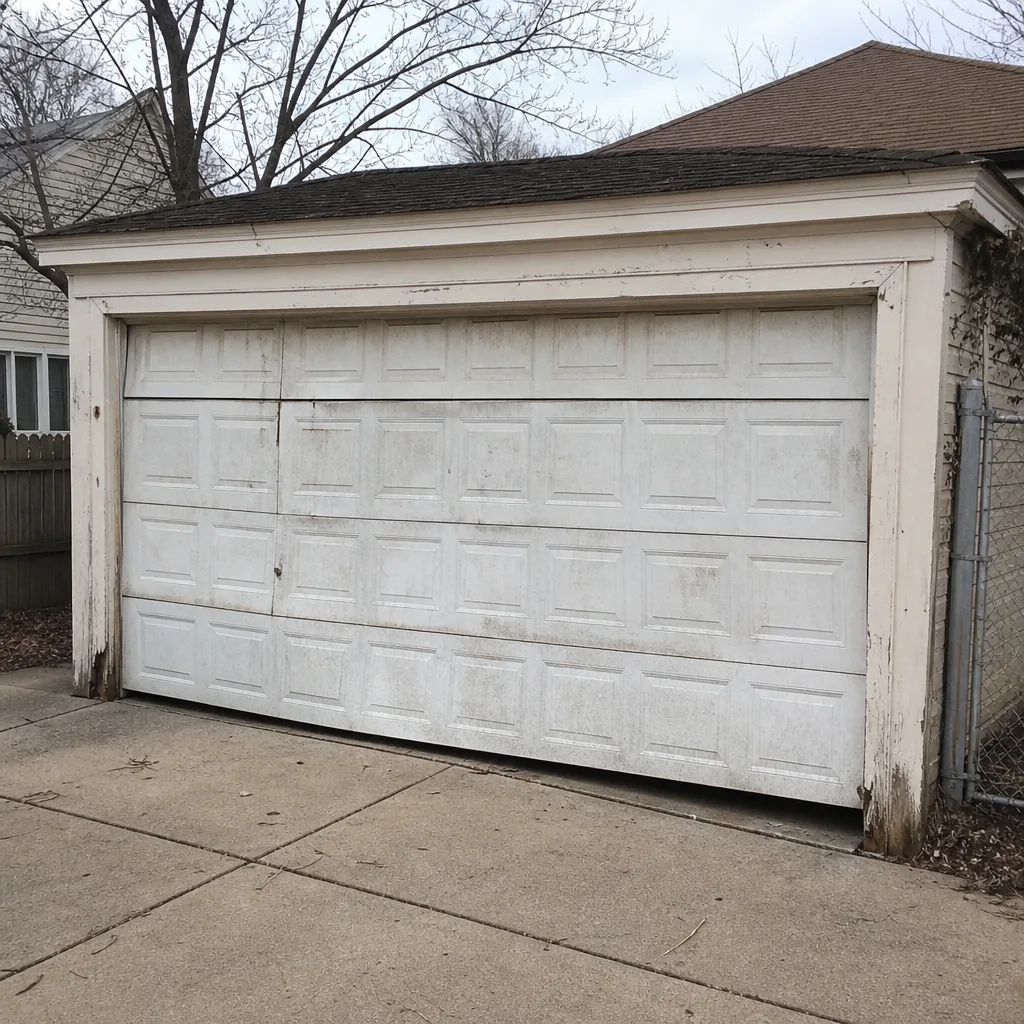 Before
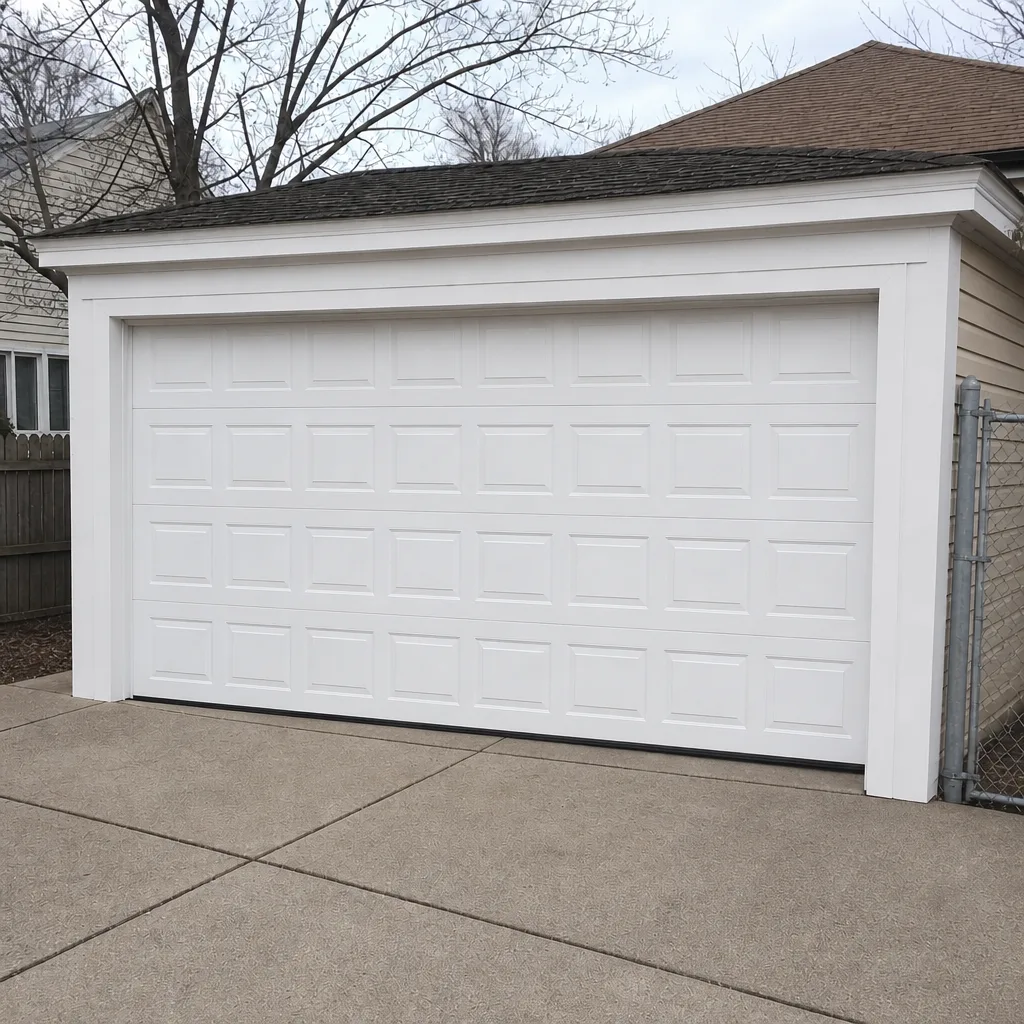 After
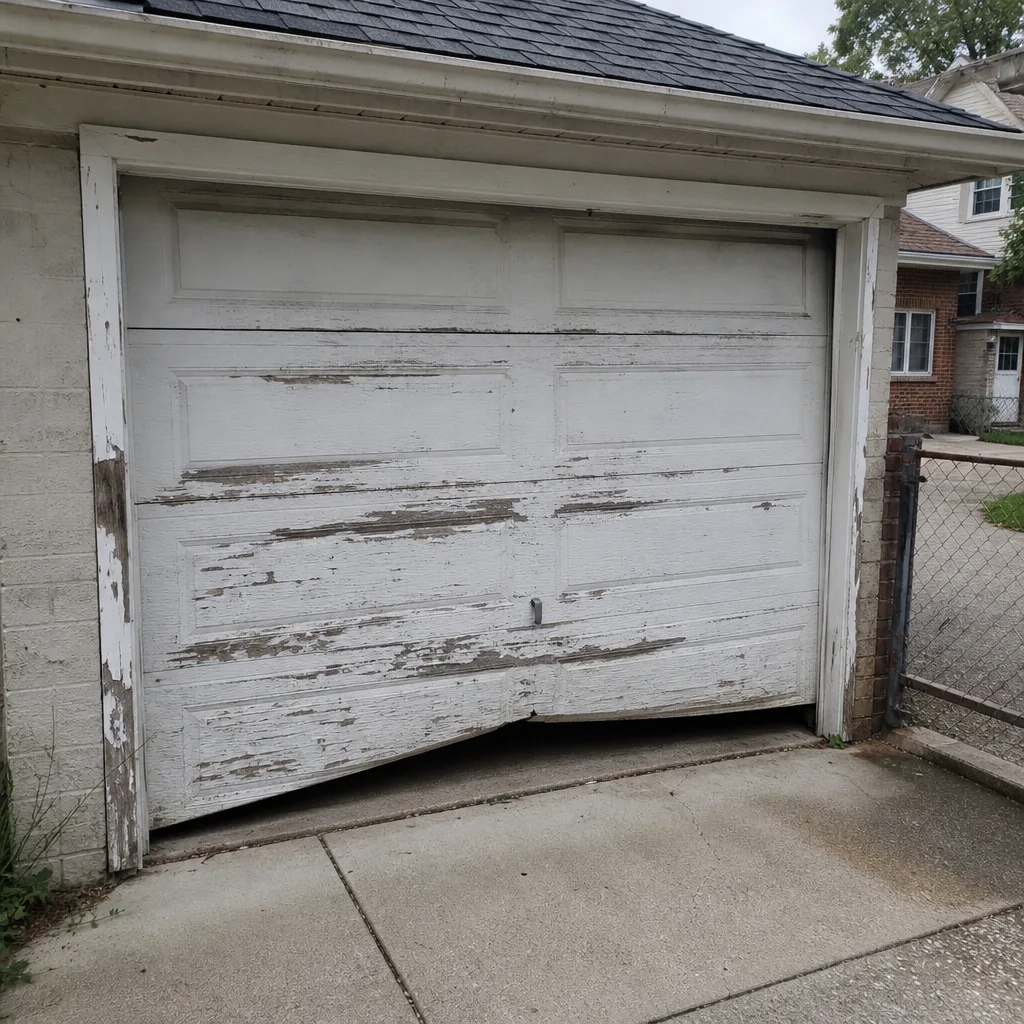 Before
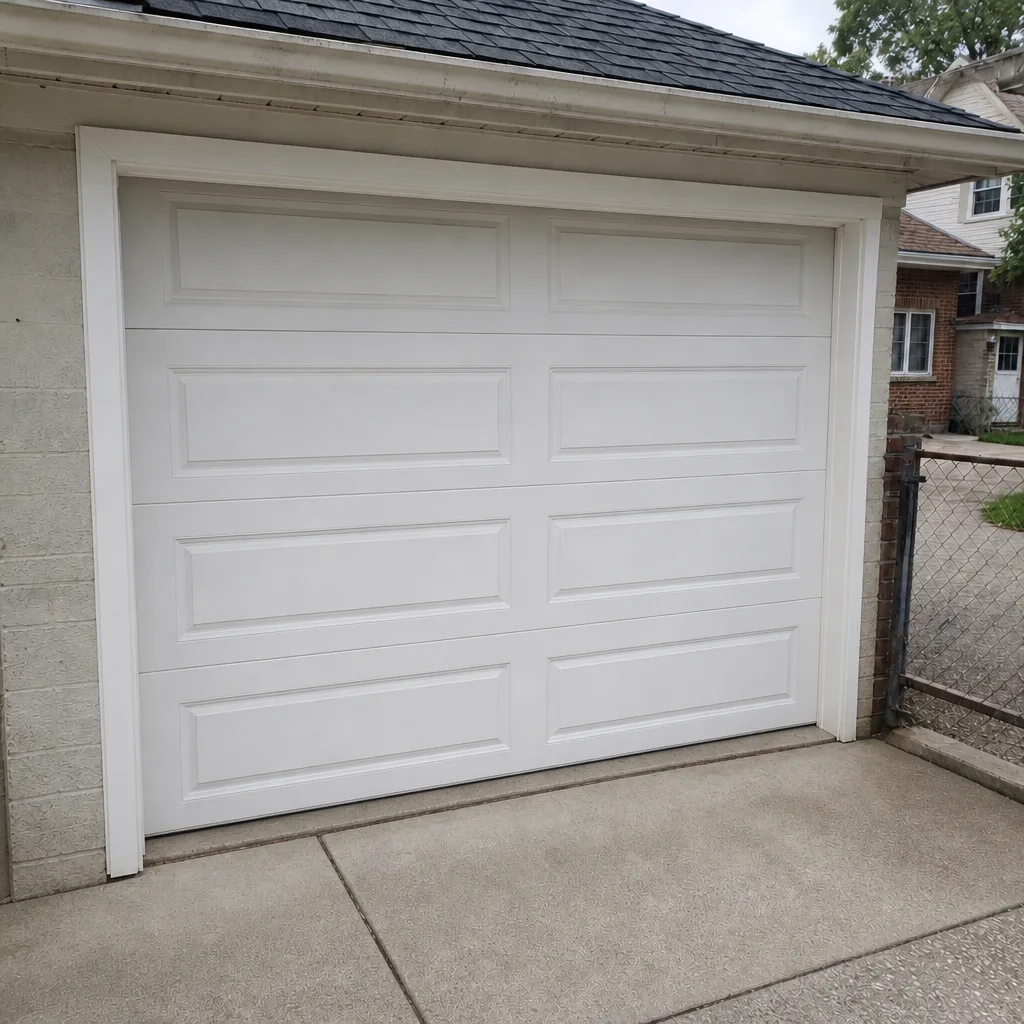 After
When to Call a Professional
Call if you’ve heard a pop or a bang, if the door hesitates and then drops, if you can see a frayed cable or one sitting off its drum, or if the door has stopped sitting level at the floor. Those aren’t wait-and-see signs. Also call if the door reverses for no reason, if the opener strains at startup, or if a panel has bent enough that the door binds. A trained technician with the right tools can confirm the cause on one visit, and we carry replacement parts for major brands so a repair usually happens then rather than two visits later. Garage Door Repair Lake View offers free estimates in Lake View. Call (833) 468-5605 and we’ll tell you what we see and what it’ll cost before any work starts.
Frequently Asked Questions
A change in sound or movement that started recently: a new grind, a hesitation on the way up, or a door that drops faster on descent than it used to. Those signs tend to show up weeks before a cable or spring fails. If you notice any of them, have the door checked rather than cycling it again to see what happens.
You can safely check the cables, drums, springs and track from the floor, without touching any hardware. Anything that requires contact is a job for a trained technician, because the springs and cables are under high tension. Look, don’t touch, and call if what you see worries you.
It depends on what’s failing, and we don’t quote a number before we’ve seen the door. A spring or cable issue is a different job from an opener fault or a track adjustment. We give a written estimate before any work starts, and the written estimate is the price. Call (833) 468-5605 for a free estimate.
It’s usually a structural warning, not a cosmetic one. An off-center door typically points to a bent track, a loose bracket or a warped panel. Fixing the seal without fixing the cause means the gap returns. It’s worth having it looked at before the uneven travel wears the rollers and the opener.
No. We inspect the door, explain what we found, and give you a written price before any work starts. If the repair turns out to be different from what you described, we tell you before we go ahead. You approve the price before we begin.
Most likely. We work on Clopay, Amarr, Wayne Dalton and Raynor doors, and on LiftMaster, Chamberlain, Genie and Craftsman openers. We carry parts for the major brands, which means most repairs happen on the first visit rather than waiting on an order. If you’re not sure what you have, tell us the name on the opener or the door and we’ll confirm.
The Bottom Line
Garage door failures announce themselves. The sound, the movement and the visual cues all point at a specific cause, and the difference between a small repair and an emergency often comes down to whether someone looked in time. Check the cables, drums and springs from the floor once a month. Note any new noise, any hesitation on the way up, and any door that stops sitting level. If you spot a warning sign, call. A trained technician confirms the cause, carries the parts for the major brands, and gives you a written price before the work starts. That beats finding out the hard way.
Written by the team at Garage Door Repair Lake View.