Last updated November 21, 2026
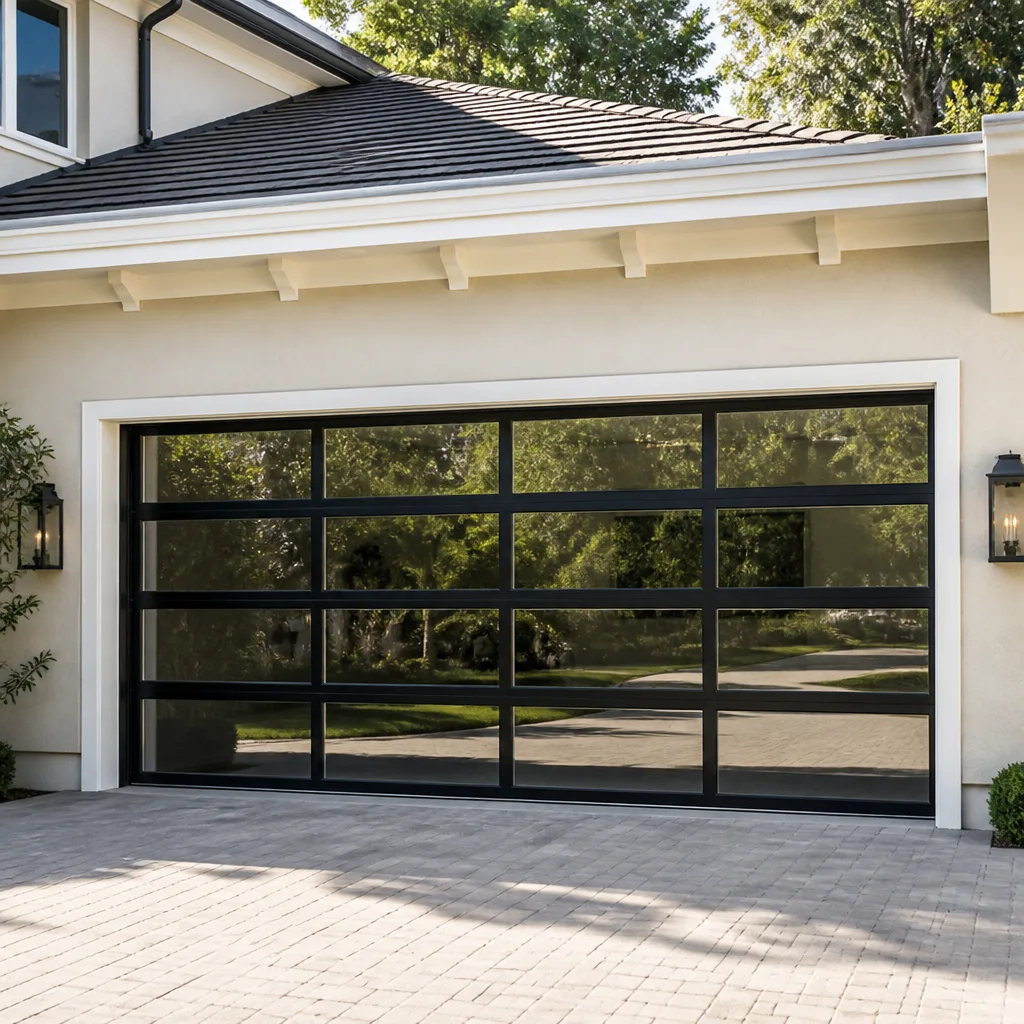 Full-view glass
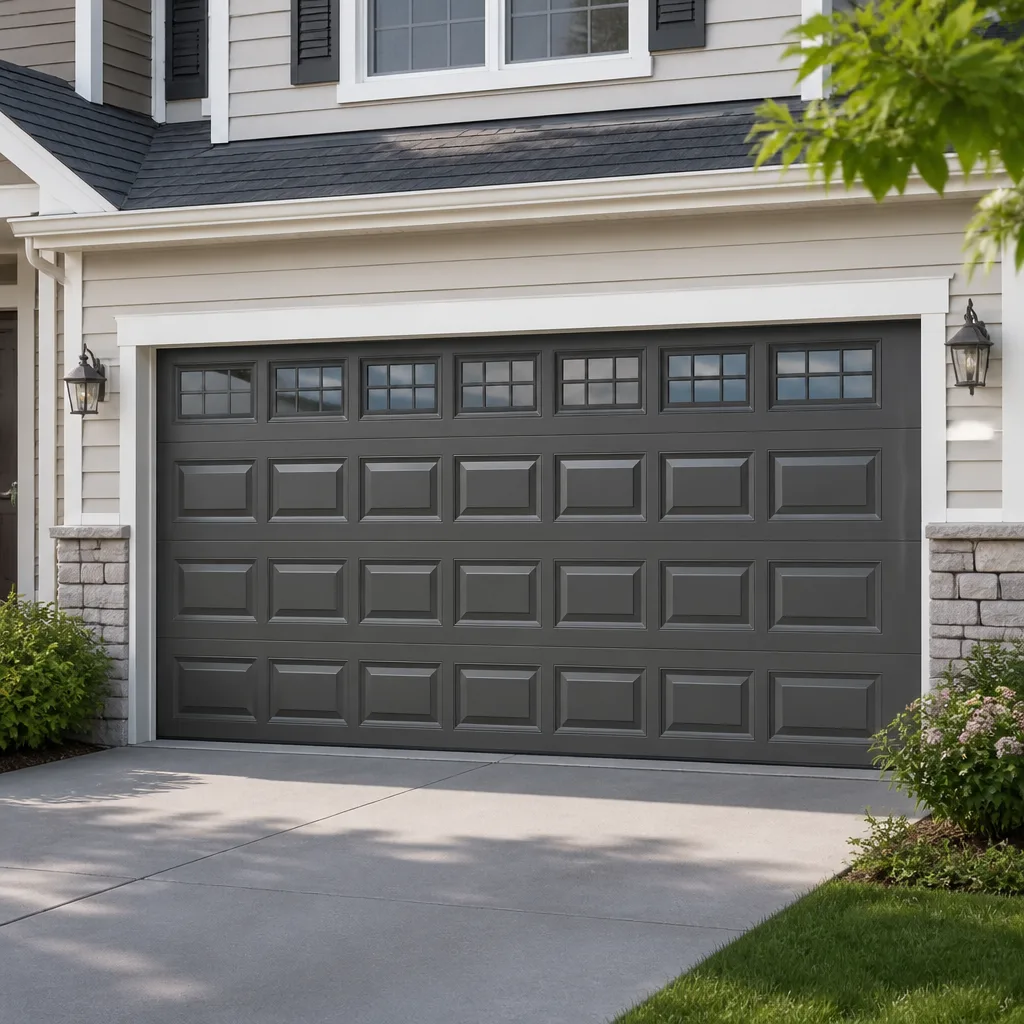 Raised-panel steel
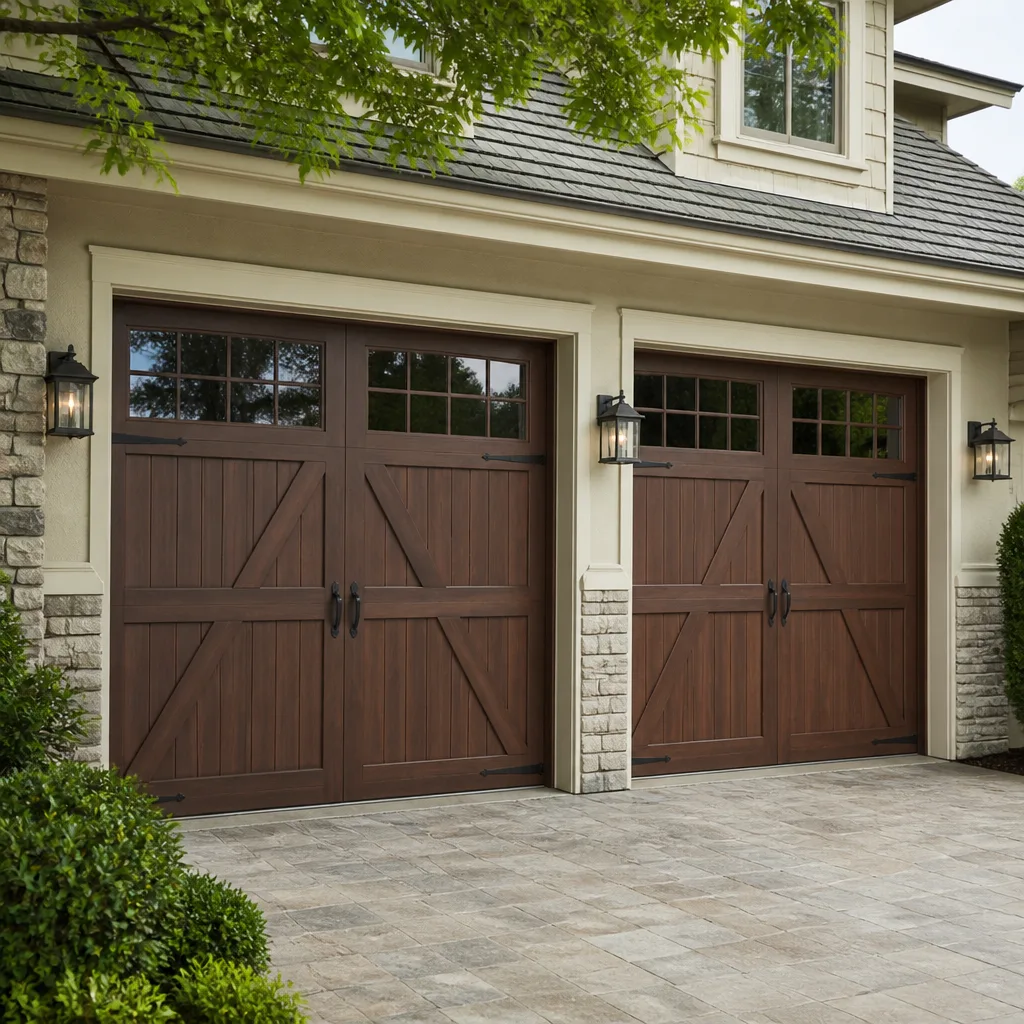 Carriage house
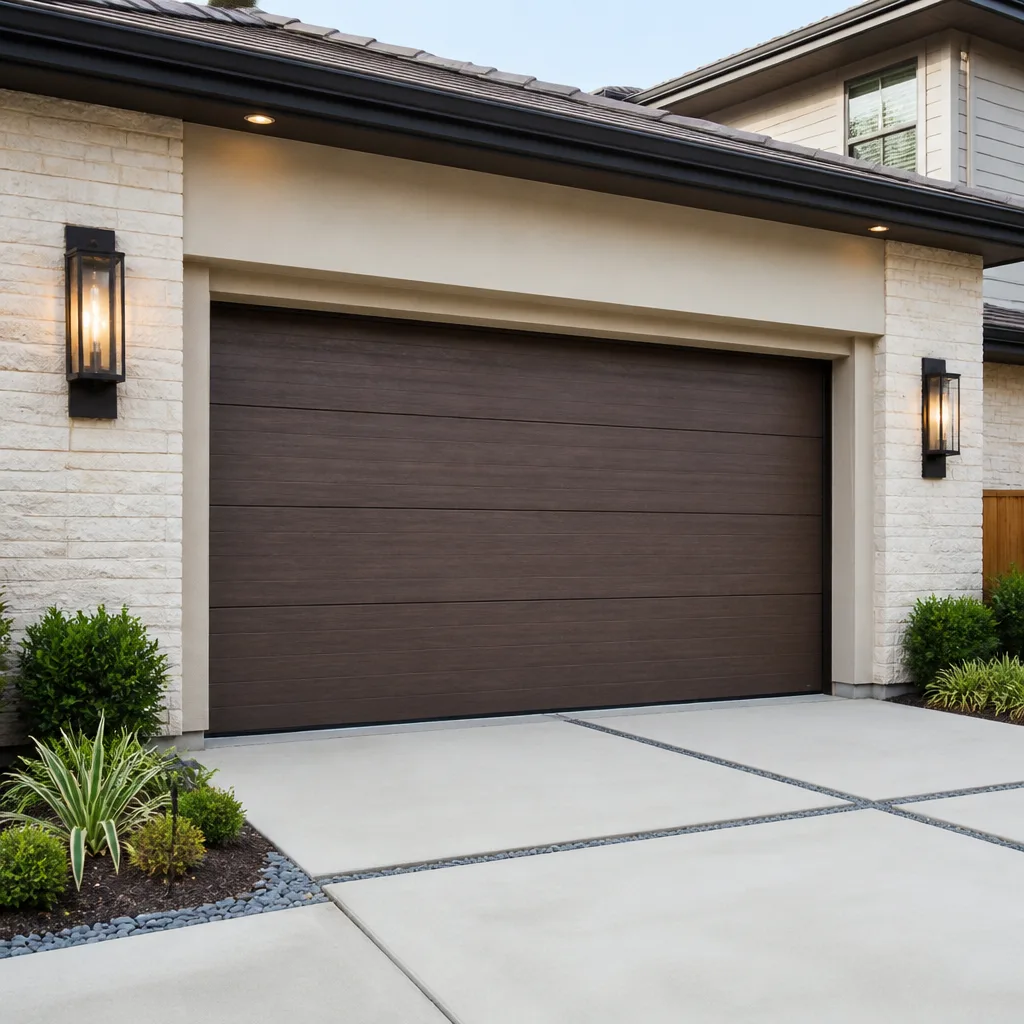 Modern flush
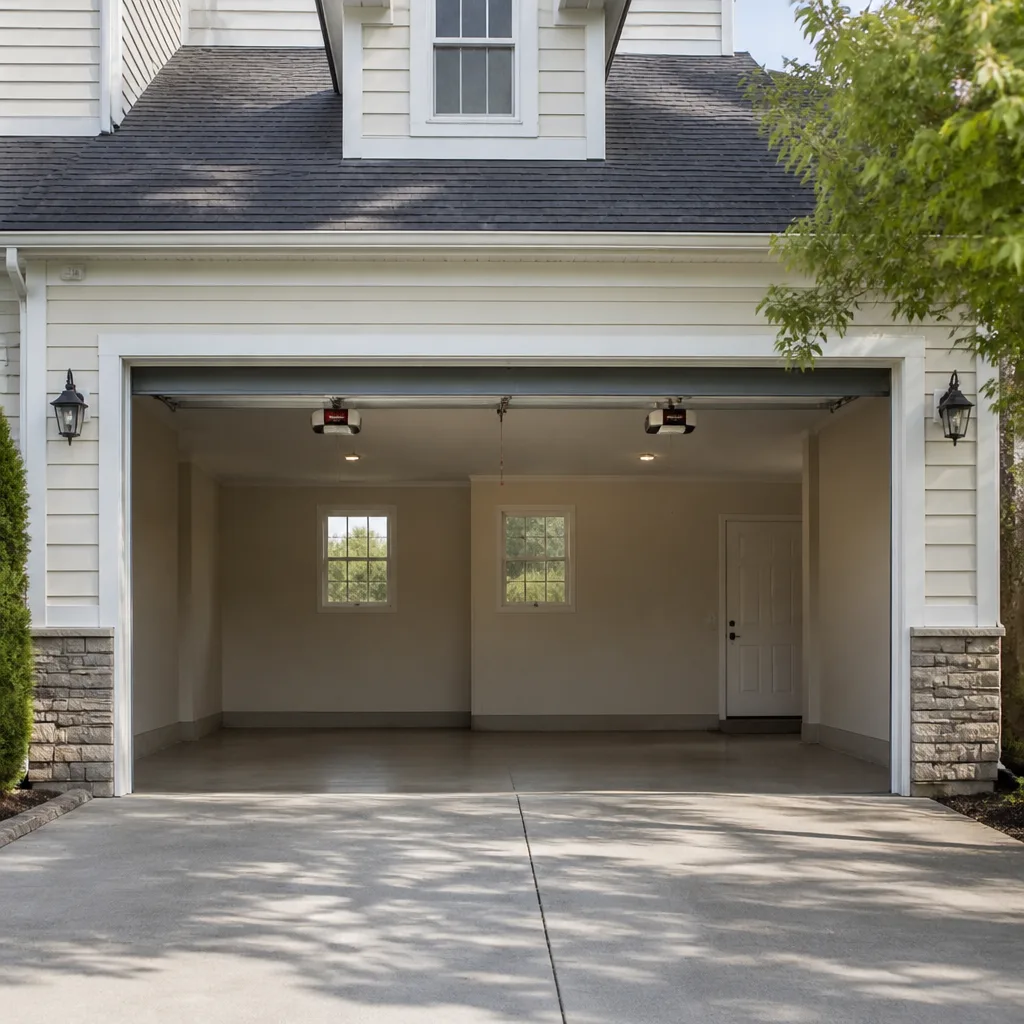 LiftMaster openers
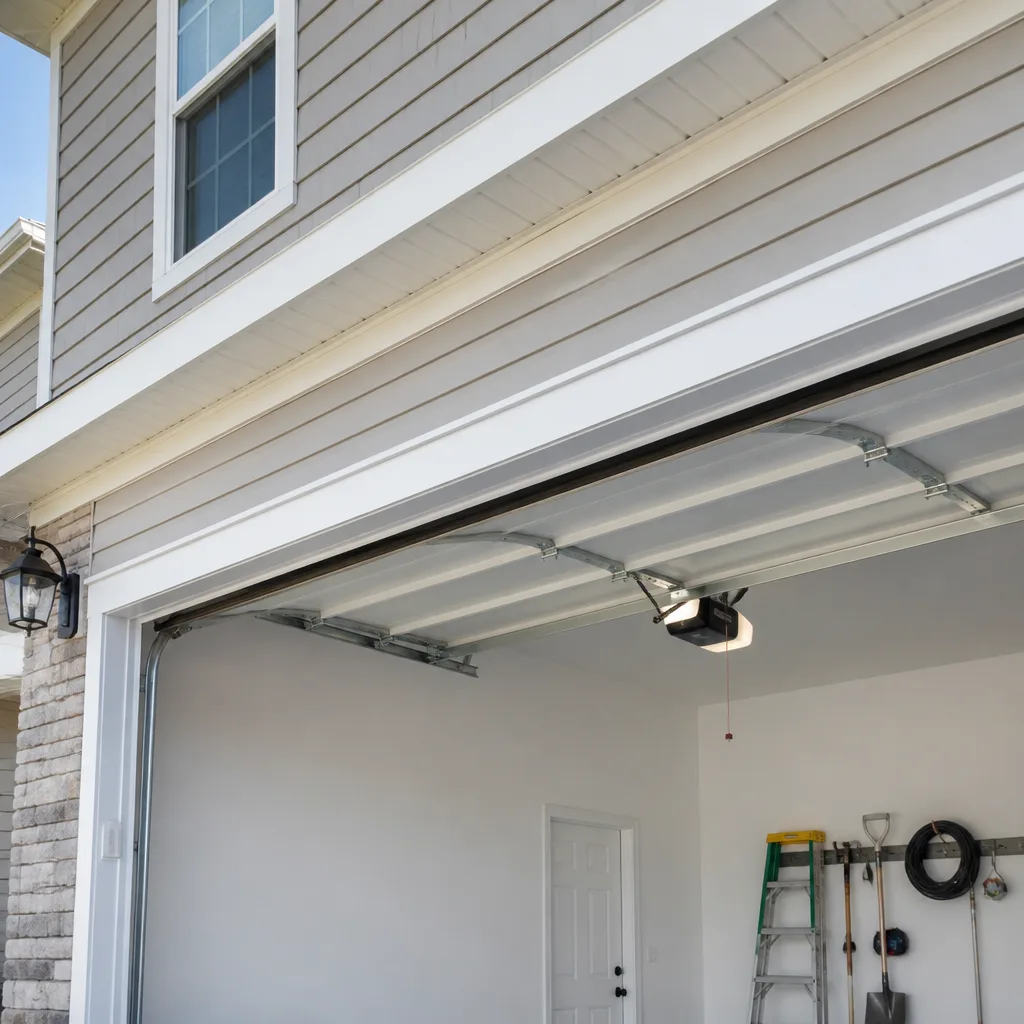 Chamberlain openers
Full 25-point door and opener safety check with every visit - springs, cables, rollers, tracks, and your LiftMaster or Chamberlain opener included
You get a price before we start. It does not change when the pro arrives.
Get your free estimateGarage Door Repair Troubleshooting in Lake View: Common Problems and How to Fix Them
A garage door that reverses the moment it touches the floor and a door that stops dead halfway up both get described the same way: “it’s not working.” They need completely different fixes. Homeowners who treat the symptom as the whole problem end up paying for the wrong service call, or replacing a part that was never the issue. In our experience, most garage door trouble in Lake View is diagnosable before anyone touches a wrench, because the door is telling you which component failed by how it moves, sounds and stops. This guide teaches you to read those signals the way a technician does, so you know what’s actually broken before the truck pulls up. We’ll cover the behaviors that point to springs, cables, tracks or the opener itself, the three checks you can run safely, and the Lake View climate quirks that make our doors behave differently than the same door installed elsewhere.
Quick Answer
Garage door problems are diagnosed by behavior, not by the label “broken.” A door that won’t budge at all usually points to a spring or opener failure, a door that reverses at the floor points to travel limits or a safety sensor, and a door that moves crooked points to a cable or track issue. Before you call, note the symptom, when it started, your door’s material and age range, and your opener brand, because that information lets a specialist bring the right parts on the first visit rather than guessing.
Styles & brands we work with
- Raised-panel steel
- Carriage house
- Modern flush
- Full-view glass
- LiftMaster openers
- Chamberlain openers
Table of Contents
- The Behavior Diagnostic Framework: Reading Your Door’s Symptoms
- Why Lake View Temperature Swings Change How Your Door Fails
- The Three Checks You Can Safely Do Before Calling
- Opener, Springs, Tracks or Cables: Telling Them Apart
- What to Tell the Technician When You Call
- Common Mistakes to Avoid
- When to Call a Professional
- Frequently Asked Questions
The Behavior Diagnostic Framework: Reading Your Door’s Symptoms
Every garage door problem you’ll ever have falls into one of four behavior categories. If you can figure out which category you’re in, you’re most of the way to the right fix – and you’re miles ahead of the neighbor who calls saying “my door’s broken.”
- Won’t start at all. The opener clicks, hums or does nothing. Most likely culprit: opener motor, capacitor, or a snapped torsion spring on heavier doors. Sometimes it’s as simple as a power interruption or a dead remote battery.
- Starts, then stops partway. It moves, then jams or halts. Most likely: travel limits set wrong on the opener, a binding track, or a limit switch that needs recalibration.
- Reverses immediately at the floor. It goes down, touches, comes back up. Most likely: misaligned safety sensors, or a travel limit set too tight so the door registers an obstruction.
- Moves unevenly or crookedly. One side lags, the door racks, or it sags at a corner. Most likely: a worn cable, a loose or bent track, or a broken spring on a two-spring setup.
Read those four again. Notice that only one points directly at the opener. That’s the mistake we see most: homeowners assume the opener is the problem because that’s the part they see the motor in. In reality, a stiff, heavy door with a worn spring will make a perfectly good opener strain, stutter and eventually quit. The opener is often the victim, not the cause.
In Lake View, we work on doors that were installed alongside all the major opener brands – LiftMaster, Chamberlain, Genie and Craftsman dominate, with older legacy units still chugging away in homes on brick two-flats and side-street garages. Knowing the brand matters because each one has its own limit-setting quirks and its own failure patterns. A Genie that reverses at the floor behaves differently from a LiftMaster that does the same thing. When you contact us for garage door opener repair, tell us the brand – it saves diagnostic time.
Why Lake View Temperature Swings Change How Your Door Fails
Garage doors in Lake View live a harder life than doors installed in places with steady temperatures. Our winters drop well below freezing, our summers push through humid stretches, and the swing between the two does physical work on every component. This is one of the reasons a door that worked fine in October suddenly stops cooperating in January.
Cold weather tightens things. Steel springs, tracks and door panels contract as temperatures fall. A torsion spring that was perfectly calibrated in mild weather can add tension as the metal shrinks, and a track that was snug in fall can pull slightly out of alignment. That contraction is why so many spring and cable failures happen on the first hard cold snap of the season. It’s also why a door may need its travel limits rechecked once winter sets in – the door is physically moving differently even though nobody touched the opener.
Humid summer air warps wood. Lake View still has a lot of older wood and wood-composite doors, particularly on the vintage garages tucked behind the residential blocks. Summer humidity swells the wood sections, and a swollen door can bind in the tracks or drag unevenly. If you’ve noticed a wood door scraping or sticking only in July and August, that’s almost certainly the material moving, not a mechanical failure.
Brick and older construction add their own twist. Much of Lake View housing stock dates from the early 1900s, and garages were frequently retrofit into spaces that were never designed for them. Track mounting can work loose over decades, and that looseness shows up as uneven movement. We factor this in whenever we work on homes around Southport Corridor, Boystown, Wrigleyville or the quieter blocks near Hamlin Park – the building’s age tells us where to look first.
You don’t need to solve these seasonal changes yourself. But noticing the pattern – “it started when it got cold” or “it only sticks in summer” – is valuable information that helps a specialist diagnose faster. It’s also why we approach garage door repair Lake View service seasonally: a spring check in fall can catch a winter failure before it strands you.
The Three Checks You Can Safely Do Before Calling
There are three things every Lake View homeowner can check safely before calling for service. These are observational and simple. Everything involving tension – adjusting a spring, tightening a cable, forcing a track back into place – is off-limits for a reason we’ll get to shortly.
1. Visual spring inspection from a safe distance
Stand well back from the door and look at the torsion spring (the horizontal coil mounted above the door on most setups). A healthy spring is a continuous coil with no gap. A spring with a visible gap of an inch or more has snapped and needs replacement. Never reach up, poke, or try to test tension with your hand. Just look from where you stand. For extension springs on older doors, check for the safety cables running through them and note any obvious broken coil.
2. The manual disconnect test
Every opener has a red emergency release handle hanging from the rail. With the door in its fully closed position, pull the handle to disconnect the door from the opener. Now lift the door about halfway by hand and let go gently. A properly balanced door should stay roughly where you put it. If it drops hard, slams, or feels extremely heavy to lift, your spring tension is off – and that’s the real problem the opener has been fighting. Reconnect by pushing the door back until the carriage re-engages.
3. The travel limit and sensor check
Look at the safety sensors at the base of each track. Both should have a small light on, steady and solid. If one is flickering or dark, alignment or a dirty lens is your first suspect. Then confirm the opener’s travel limits are set so the door closes fully without straining. If the door reverses before touching the floor, the limit is too tight and a professional can recalibrate it – but you can safely note the behavior.
Those three checks diagnose the majority of “my door won’t work” calls before anyone arrives. If your checks point to a broken spring or a heavy, unbalanced door, stop there. Do not attempt a spring repair yourself.
Why spring repair is not a DIY job
The torsion springs on your door are under enormous mechanical tension – enough to move a door that weighs well over a hundred pounds, and enough to seriously injure anyone handling it with the wrong tools or without proper training. Every year, homeowners who unwound a spring without knowing the danger get hurt. Our technicians have up to 10 years of experience and understand exactly how to decompress and replace these springs safely. That’s a big part of why spring repair is a core piece of what we do, and it’s why we tell every homeowner to stop at the visual check and let a trained professional handle the rest.
Opener, Springs, Tracks or Cables: Telling Them Apart
This is where getting the diagnosis right saves real money. If you tell a repair company “the opener is broken” when the actual problem is a snapped spring, you might end up with a new opener installed on a door that still won’t lift. A specialist diagnoses the whole system, not just the motor. Here’s how the four main components behave when they fail.
| Symptom | Most likely component | Why |
|---|---|---|
| Door won’t move at all, opener hums | Torsion spring | Opener motor works but the door is too heavy to lift |
| Door reverses at the floor | Safety sensor or travel limit | Sensor detects obstruction or the limit is too tight |
| Door moves crooked, one side lags | Cable or track | Cable stretched or frayed, or track is bent or loose |
| Door drops hard or slams shut | Spring tension | Springs have lost lift (broken or unwound) |
| Door won’t obey the remote | Opener logic board or remote | Signal problem at the opener, not the door |
| Door makes a grinding sound | Track, rollers or springs | Friction or a component scraping rather than rolling |
The most confusing one is the spring-versus-opener distinction, because both look like “it won’t open.” If you perform the manual disconnect test and the door is very heavy, it’s the springs. If you disconnect and the door lifts easily by hand, the spring system is fine and the problem is in the opener or its travel settings.
Brand matters at this stage too. A Clopay or Amarr door’s panel construction affects how it sounds and how it moves when a spring fails. A Wayne Dalton door from a certain era may use different spring geometry. And on the opener side, each of the major brands we work on – LiftMaster, Chamberlain, Genie, Craftsman – has its own logic board behavior and error codes. Knowing what we’re looking at lets us bring the right parts the first time. If you’re considering a full door replacement rather than a repair, our garage door installation service covers the full spectrum, from spring and opener work to new door panels.
What to Tell the Technician When You Call
The quality of your first phone call determines how fast your problem gets fixed. A specialist who knows exactly what they’re walking into can arrive with the right parts on hand rather than needing to order them and come back. That’s the whole point of stocking parts for the major brands.
Have these answers ready before you dial:
- The exact symptom. Not “broken” – quote the behavior. “It reverses at the floor,” “it stops about four feet up,” “the door is crooked and one side drags.” Match it to the four categories above.
- When it started. Did it happen suddenly in cold weather? Gradually over a few weeks? After a power outage? That timing points at a cause.
- Your door material and rough age. Wood, composite or steel, and roughly how old the door is. Material tells us whether to expect warping or tension failure; age tells us about the expected lifespan of the springs.
- Your opener brand and model if you know it. Look at the unit on the ceiling. Whether it’s a Genie, LiftMaster, Chamberlain or Craftsman matters for the repair logic.
- Whether you performed the three safe checks. Tell us if the door is heavy on manual disconnect, if the spring shows a gap, or if the sensors are misbehaving. That’s diagnostic gold.
- Any sounds. Grinding, popping, scraping or humming without movement – describe it, and even play a recording down the phone if the tech asks.
Putting all of that into one call takes about sixty seconds and shaves time off the visit. It’s also why we ask. When you call for a garage door problem in Lake View, the details you give us turn a generic appointment into a targeted repair – and the estimate is free either way.
See the difference
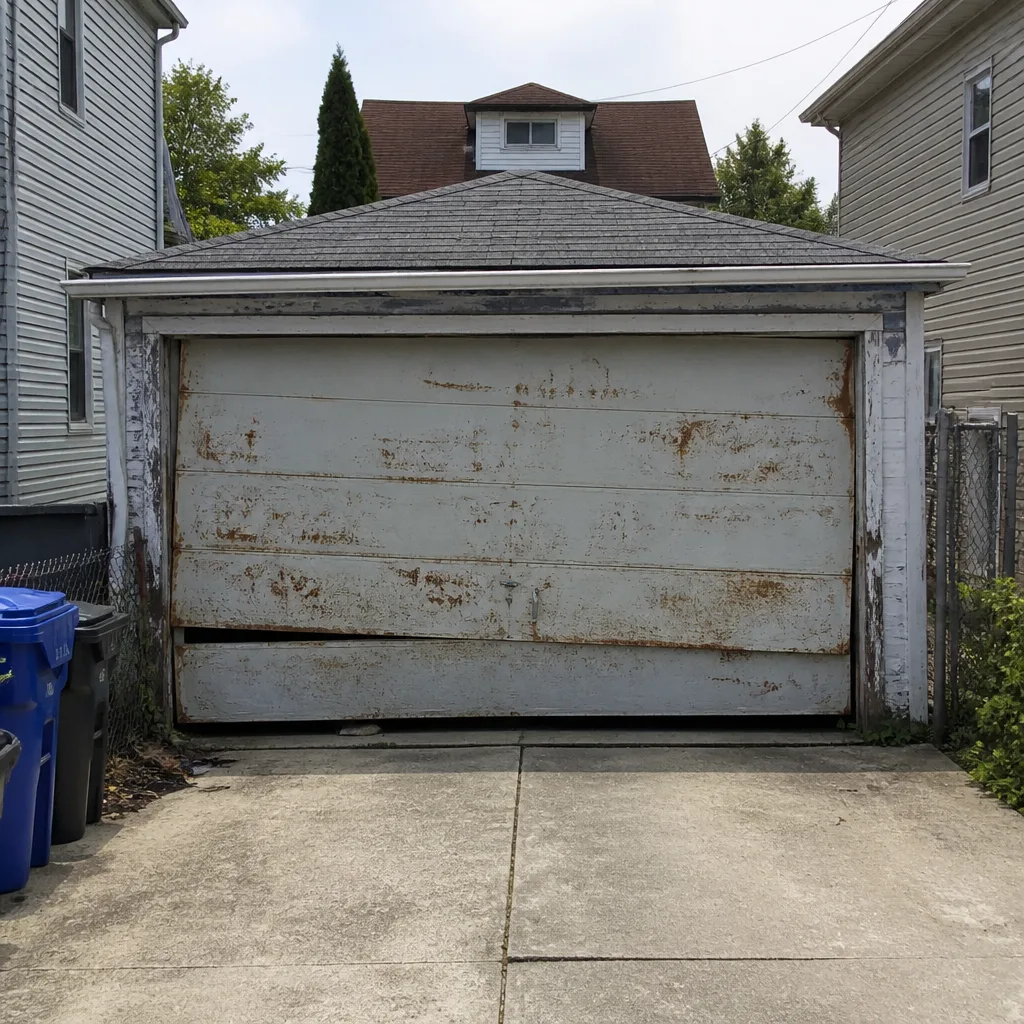 Before
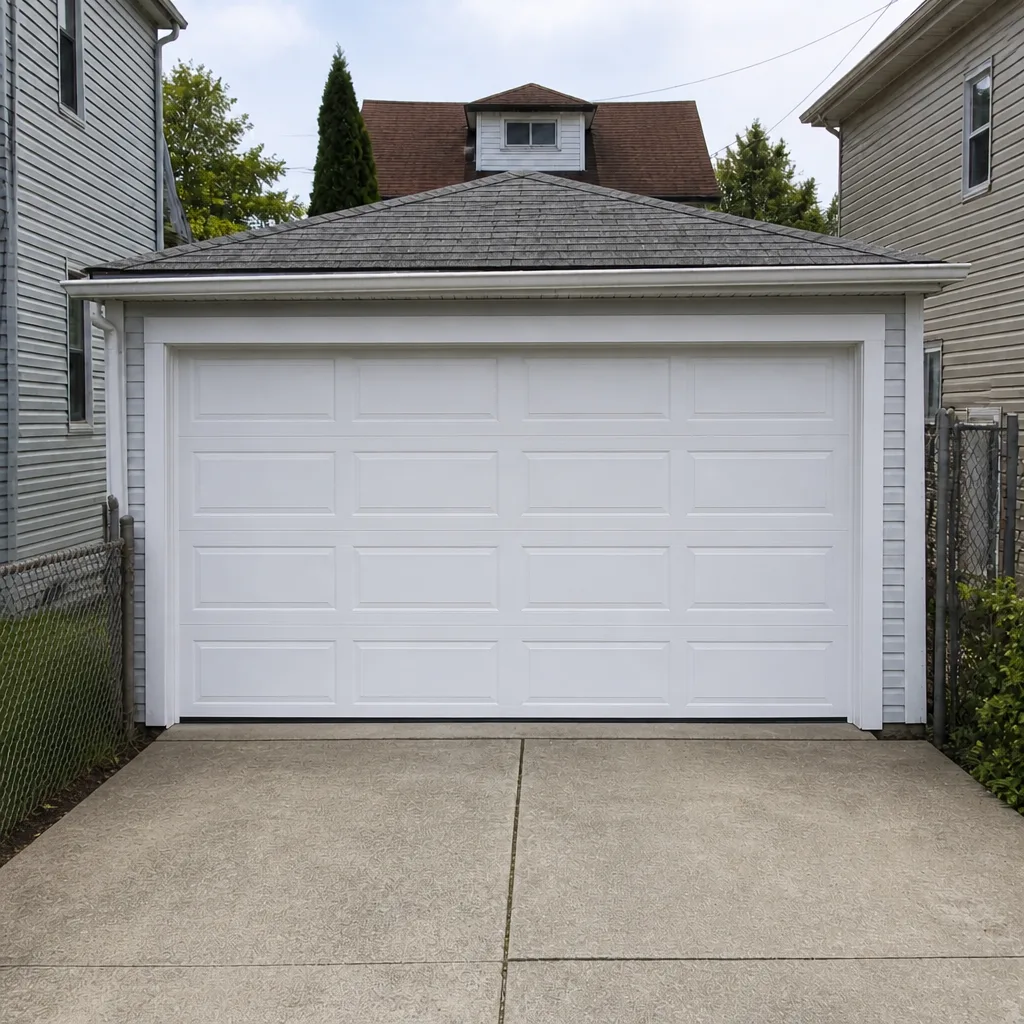 After
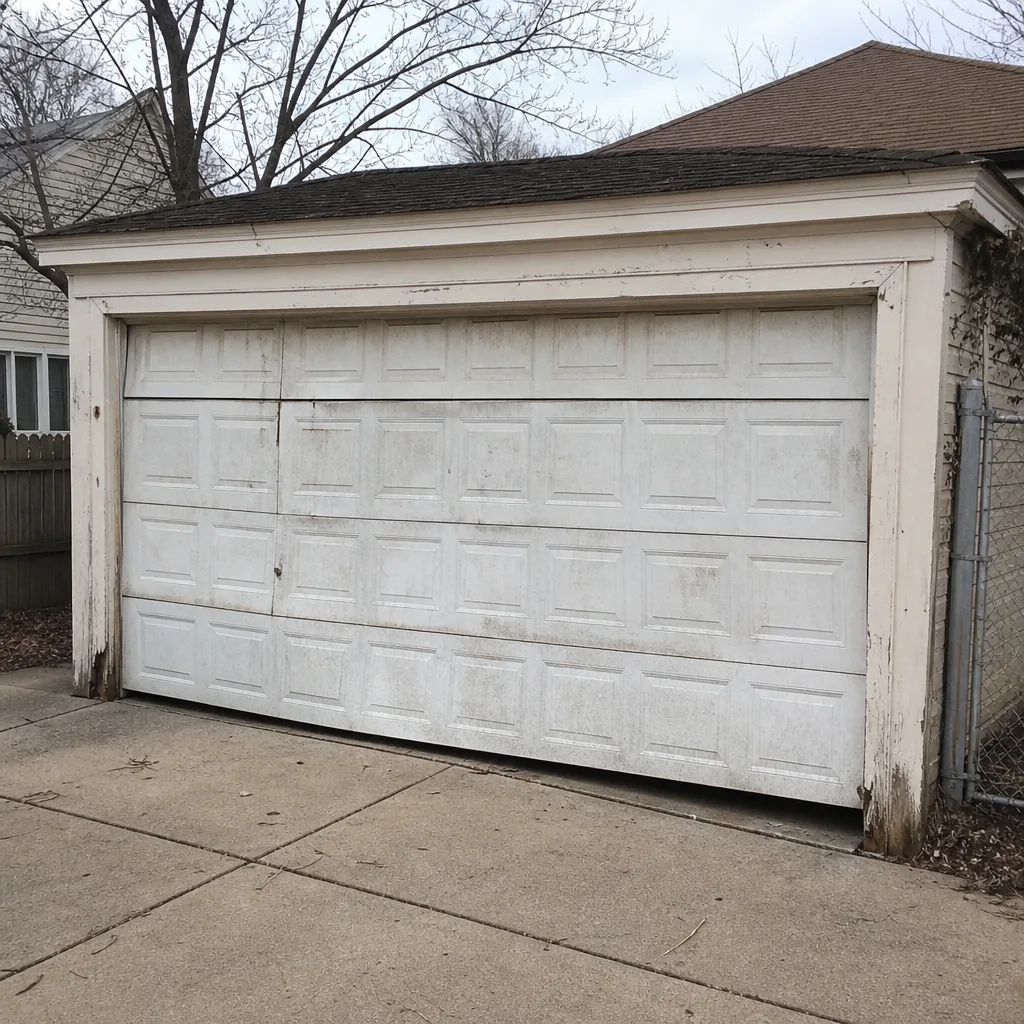 Before
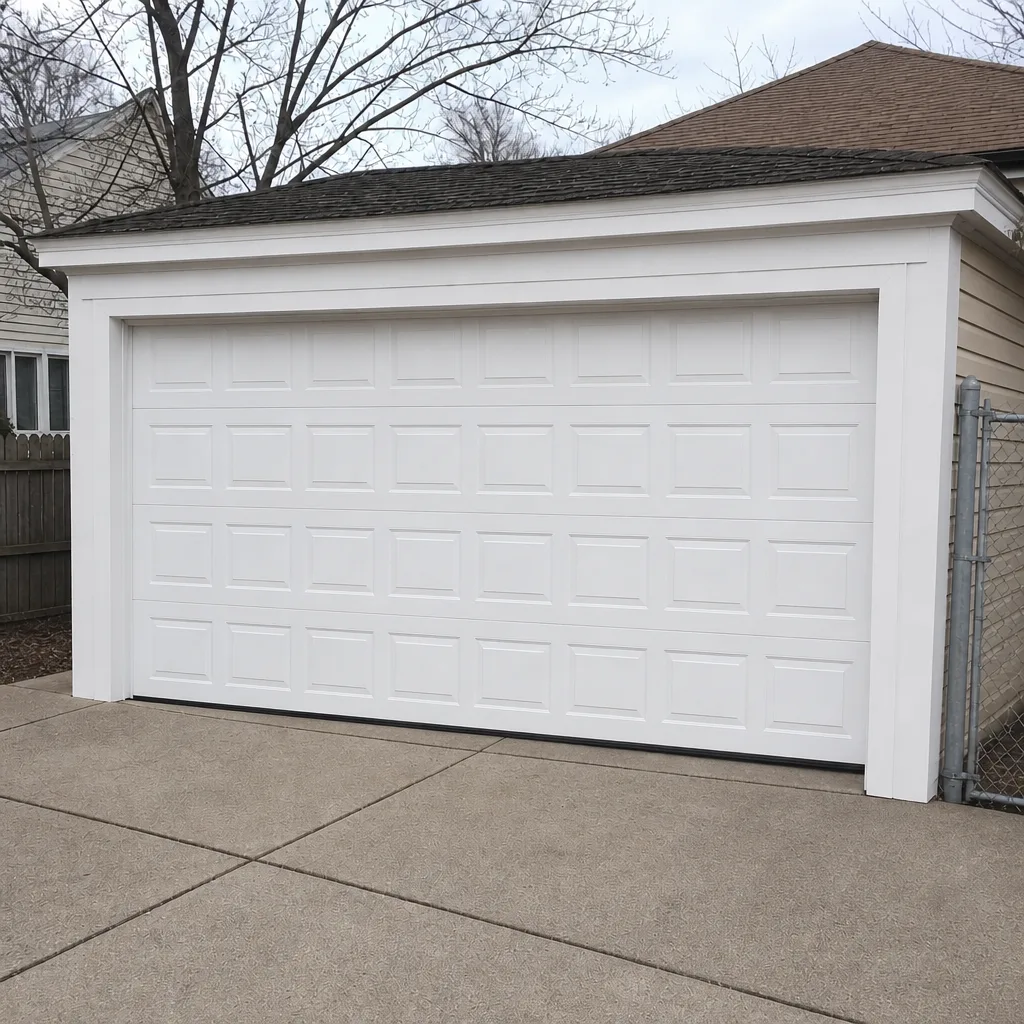 After
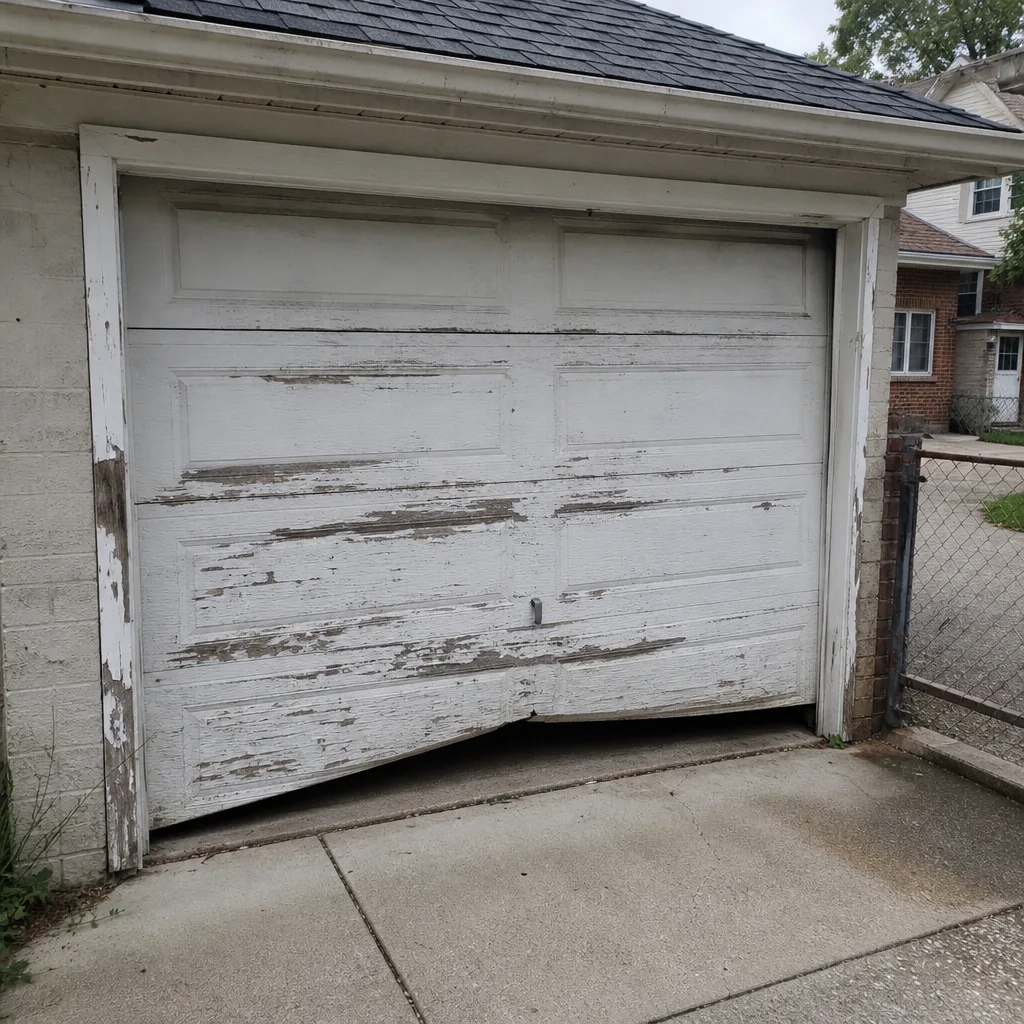 Before
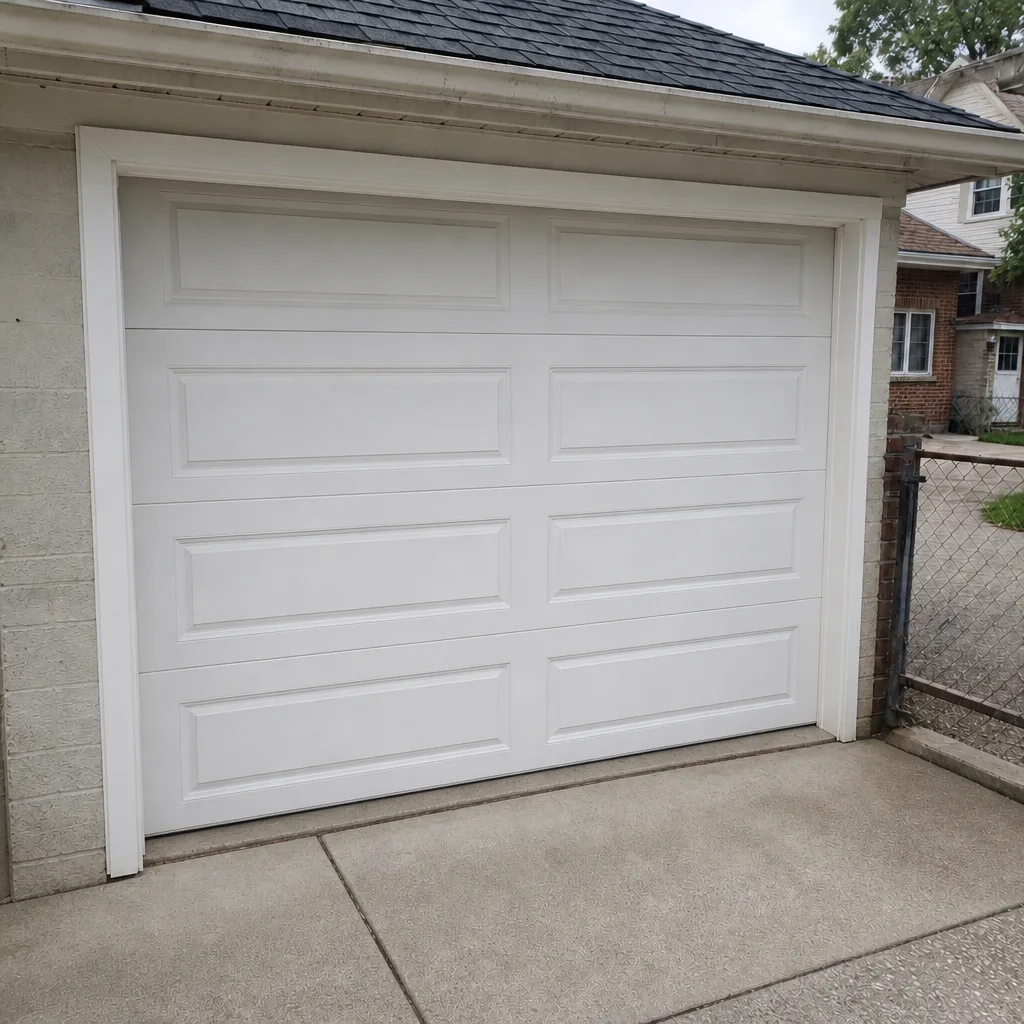 After
How Lake View Homes Get the Wrong Fix (and How to Avoid It)
The most expensive garage door mistake isn’t a repair that cost too much. It’s paying for a repair that was never going to work, because the root problem got misdiagnosed. In our experience, the following screw-ups account for most of the wasted money in this city:
- Replacing the opener when the springs are tired. If the opener is straining to lift a door that’s too heavy, a new motor will strain just as hard. Replace the spring, not the opener.
- Forcing a crooked door to close with the remote. A door that racks is a cable or track warning. Running it up and down while it’s out of line puts extra torque on the springs and can occasionally snap a cable. Stop using it until it’s inspected.
- Assuming a seasonal problem is permanent. A wood door that sticks in summer humidity is doing exactly what wood does. Humidity is the culprit, and it may need adjustment rather than a full replacement.
- Tightening tracks by hand to “fix” unevenness. Tracks are mounted in a precise alignment. Hand-tightening a bracket without checking plumb makes the door worse and can bind the rollers.
- Ignoring the safety sensors. A door that reverses at the floor often has sensors blocked by cobwebs, snow or a stray leaf. Before calling, confirm both sensor lights are on and steady.
- Skipping the parts-vs-labor distinction. If a technician arrives without the right part, you’re paying for a diagnostic visit and a return trip. Calling a specialist who carries replacement parts for the major brands – Clopay, Amarr, Wayne Dalton among them – avoids the two-visit trap.
- Ordering a replacement door before checking the frame. A hundred-year-old Lake View garage frame often needs attention before new door panels go in. Check first or you’ll install a door onto a structure that won’t hold it straight.
None of these are mysteries. Every one is a symptom that got read wrong at the start. Get the diagnosis right and the fix follows.
The One Thing That Actually Stops a Door
Of all the components in a garage door system, one is responsible for the bulk of total failures and the most serious safety risk: the spring. When a torsion spring reaches the end of its service life, the door stops lifting, the opener starts straining, and eventually something breaks at the wrong moment. The classic sign is a door that suddenly becomes heavy on manual disconnect. The spring has lost its stored energy, and nothing else can compensate.
Here’s what we want every Lake View homeowner to understand. A spring replacement is not a job to hand off to whoever happens to be available. It’s the one repair on the entire system where the risk really is elevated and training really matters. Every spring job we do follows the same process: identify the spring type and specification, decompress it safely with the right tools, replace it, and rebalance the door so the opener isn’t working against it. If a matched pair exists, we replace both springs together for the same reason you replace both headlights – one’s about to go, and the labor cost stays the same either way. When the door and opener are back in balance, the whole system quiets down and lasts longer. That’s the real reason spring expertise matters: it protects everything downstream.
When to Call a Professional
Some repairs are genuinely within reach of a careful homeowner. Others belong to a specialist. The line is simple: anything involving spring tension, cable tension, electrical connections inside the opener housing, or a door that has come off its tracks is a professional job. The spring is the big one. With the door in the way, a torsion spring holds enough stored energy to injure you if it slips, and no homeowner should be under a door that’s unbalancing. If the door is crooked, the cable looks frayed, or the manual disconnect test leaves you with a door that won’t stay up, stop and call.
The safer, cheaper path reflects the difference between the two call types. A trained technician diagnosing a specific component arrives with the right part on first visit. A generalist guessing arrives without it and comes back. Because we carry parts for the major brands and work on actual door systems rather than general repairs, we can often resolve a problem in one trip. Garage Door Repair Lake View offers free estimates in Lake View – call (833) 468-5605 to schedule a visit, and have your symptoms ready.
Frequently Asked Questions
Cost depends entirely on which component failed, not on the door as a whole. A diagnostic visit and minor adjustment sit at the low end, while a full spring replacement or opener repair is a larger job. Because the price depends on the exact diagnosis – spring, opener, cable, track or panel – the written quote is what sets your final cost, and we provide free estimates before any work starts.
We aim to reach Lake View homeowners the same day whenever possible, and fast dispatch runs from 7am to 7pm. Tell us your symptom, door type and opener brand on the call so we can bring the right part and speed up the visit. Call (833) 468-5605 for an exact availability check.
No. We diagnose the problem, explain what we found, and agree on a written estimate before any work begins. If the diagnosis reveals a different underlying issue than expected, we tell you first and get your agreement – nothing gets added to the bill after the fact. Our free estimate means you know the price before we pick up a tool.
The local professionals we connect you with are licensed and insured as their state requires, and our technicians have up to 10 years of experience working on the major door and opener brands. Safety and proper technique are central to how we handle every repair, especially spring work.
Run the manual disconnect test. Pull the red release handle, lift the door by hand, and let go. If the door is very heavy or drops hard, it’s the springs. If it lifts easily and stays put, the springs are fine and the opener is the suspect. That two-minute test is the most valuable diagnosis you can do for free.
Many common repairs – spring failures, opener issues, sensor misalignment – are resolved in a single visit when we have the right part on hand. Because we carry replacement parts for the leading brands, most jobs finish in one trip. For larger issues like full door replacement, we’ll give you a written estimate and schedule the work.
The Bottom Line
A garage door is a mechanical chain, and every symptom along that chain leads back to one specific link. Read the behavior first: won’t start, stops partway, reverses at the floor or moves crooked each has a short list of likely culprits. Watch for Lake View’s seasonal telltales – tightened springs in cold and warped wood in summer humidity. Do the visual spring check, the manual disconnect test and the sensor check, and stop before you touch anything under tension. Then call with real symptoms and a brand name, so a specialist arrives ready to fix rather than guess. That sequence is the difference between one visit and a chain of wrong repairs. When you’re ready, call (833) 468-5605 for a free estimate and get your door back to reading right.
Written by the team at Garage Door Repair Lake View.