Last updated November 21, 2026
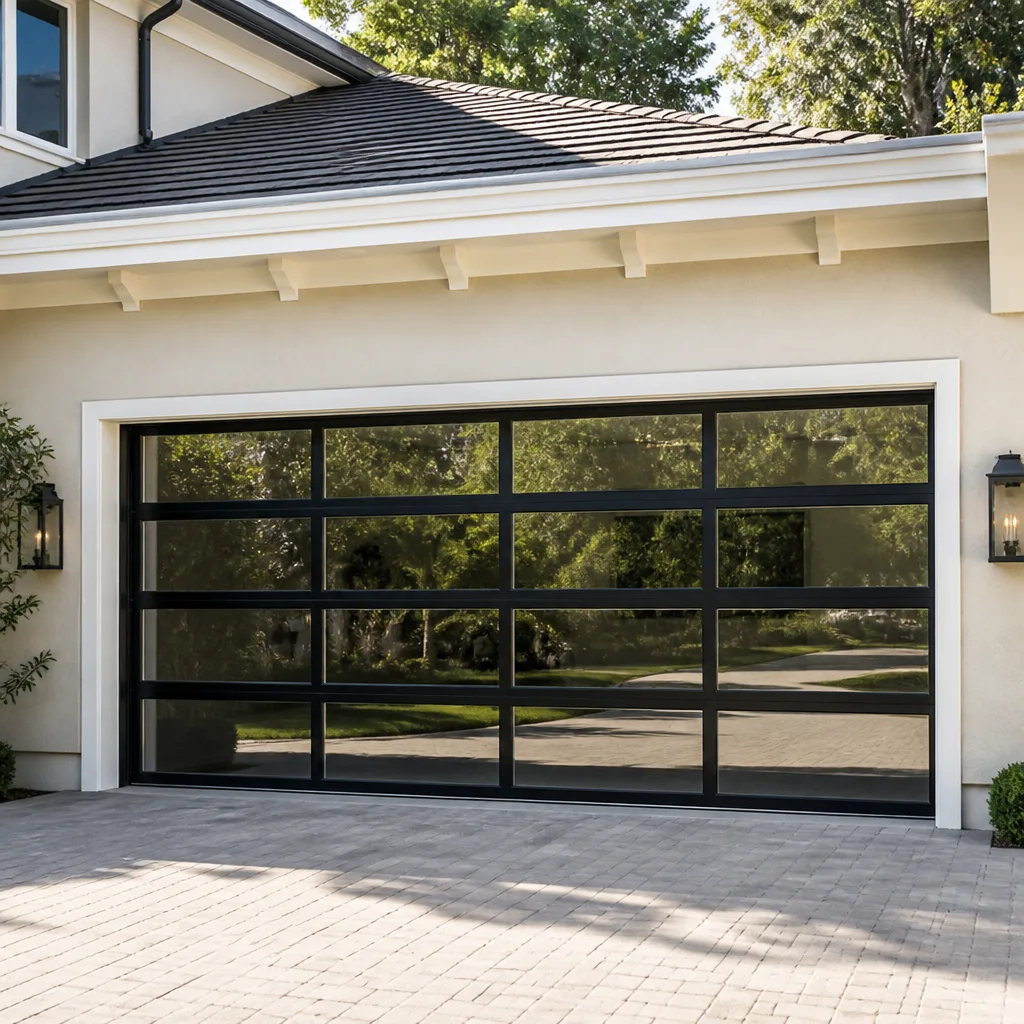 Full-view glass
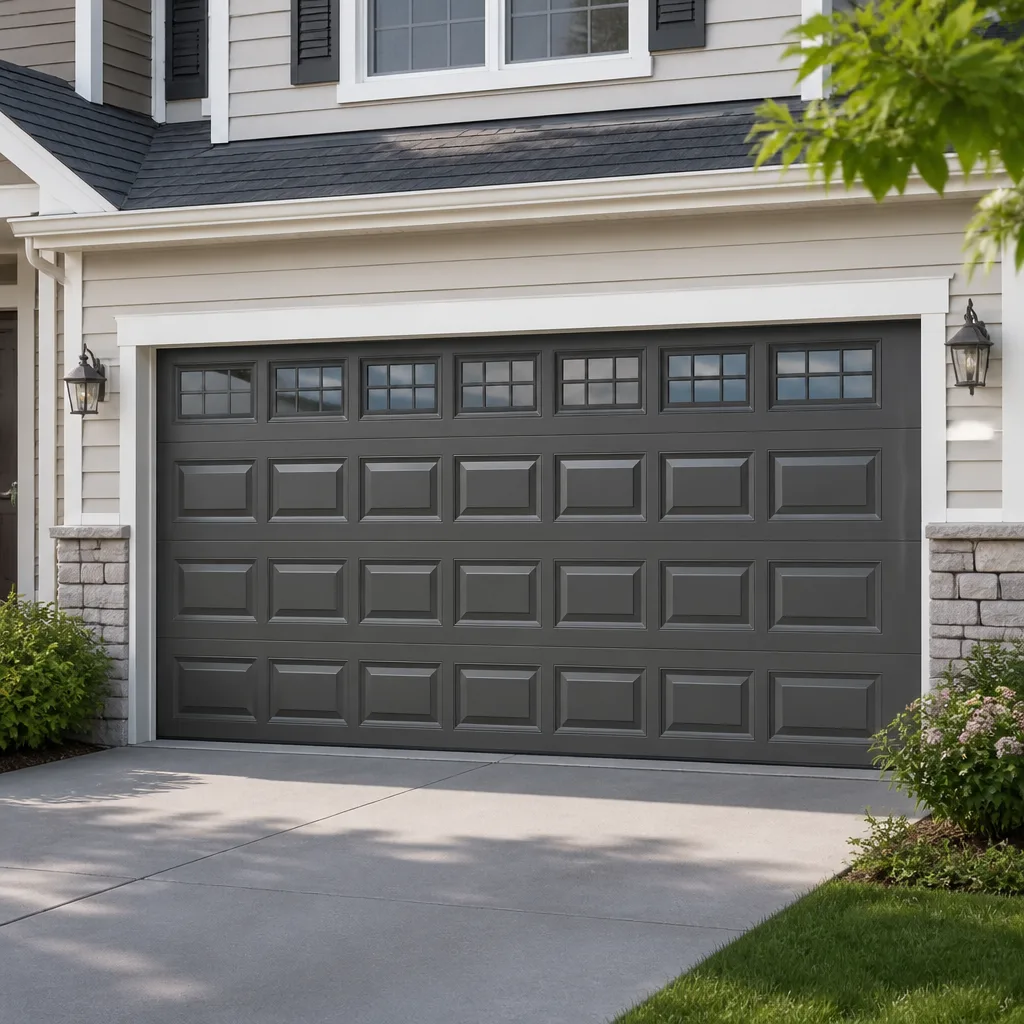 Raised-panel steel
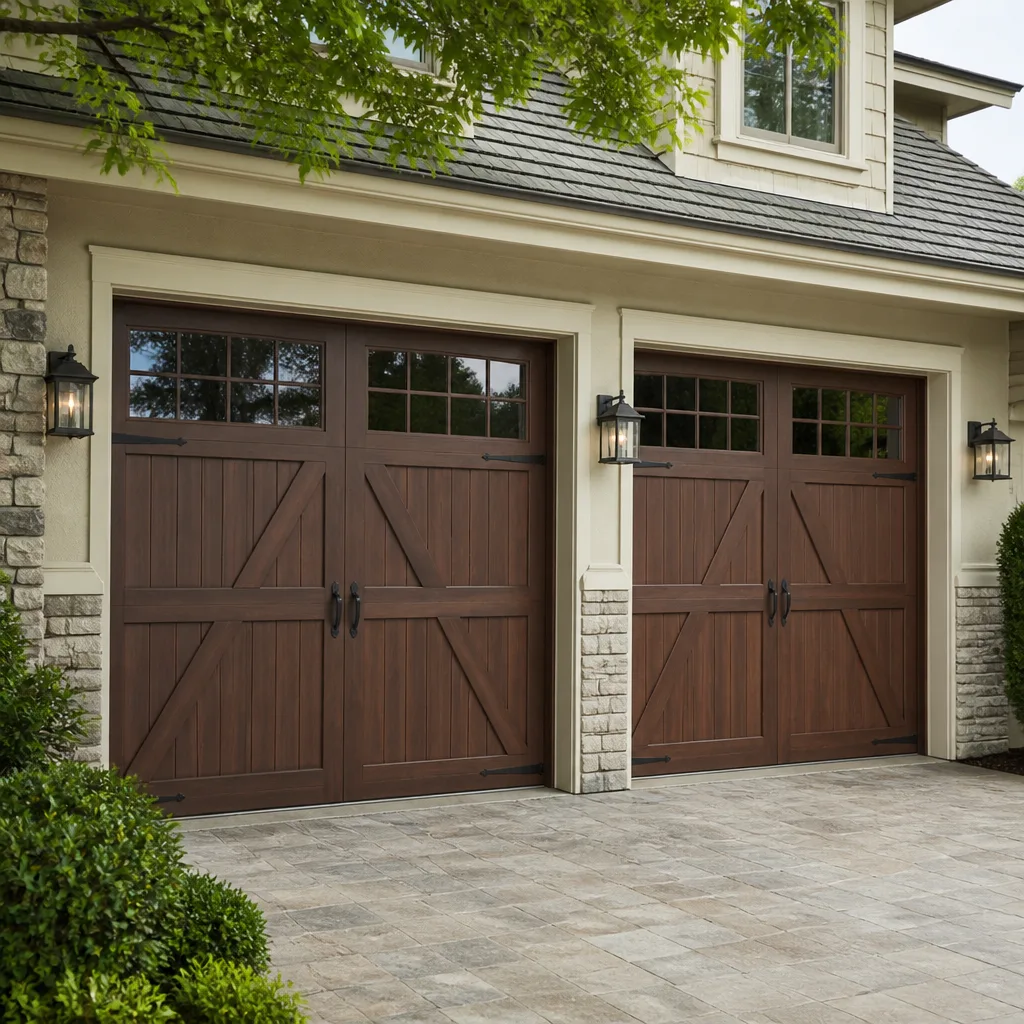 Carriage house
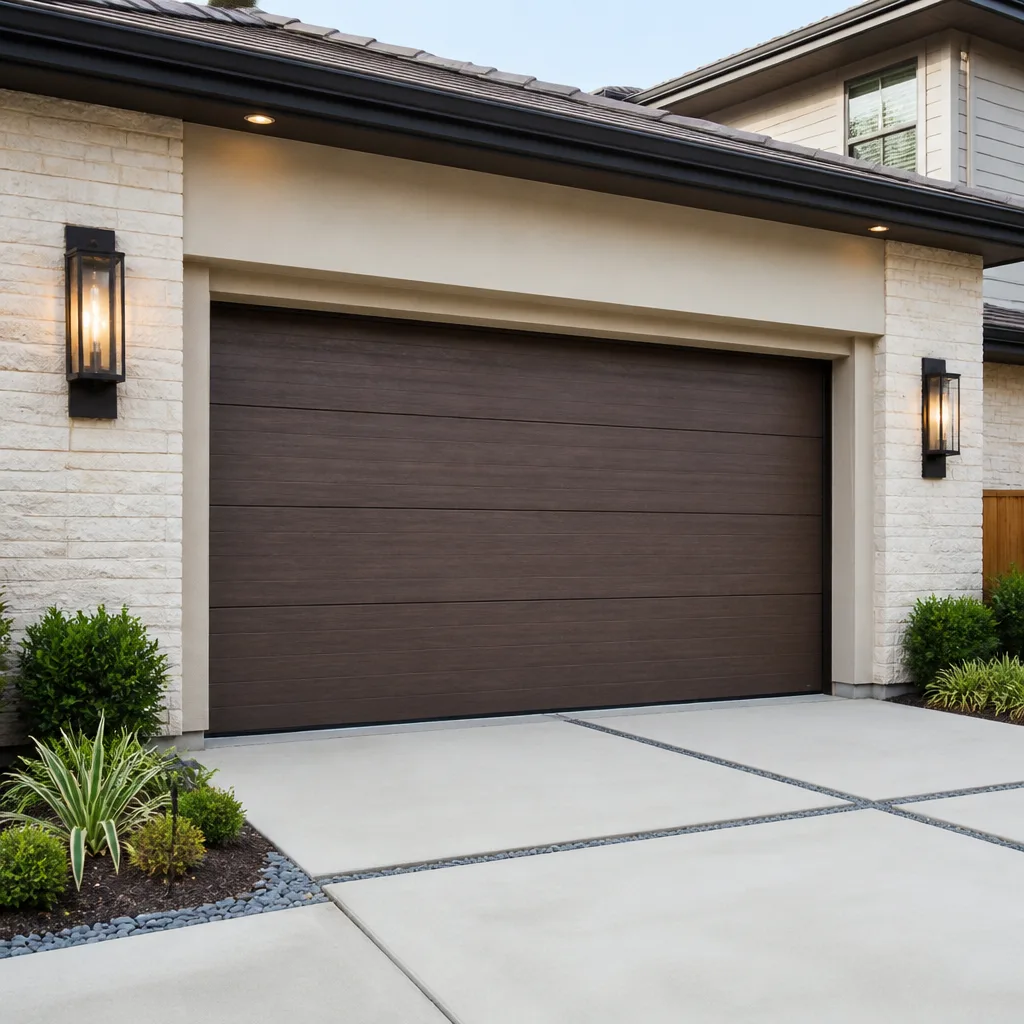 Modern flush
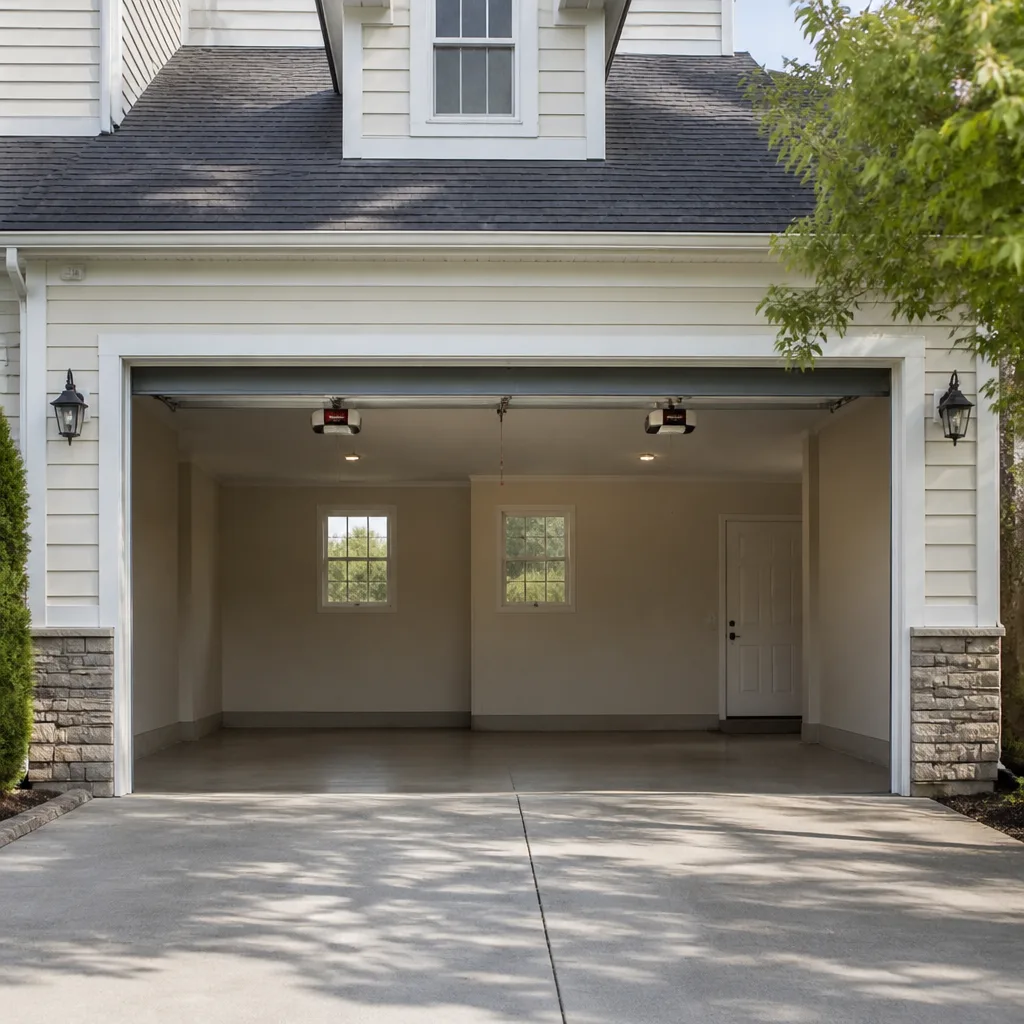 LiftMaster openers
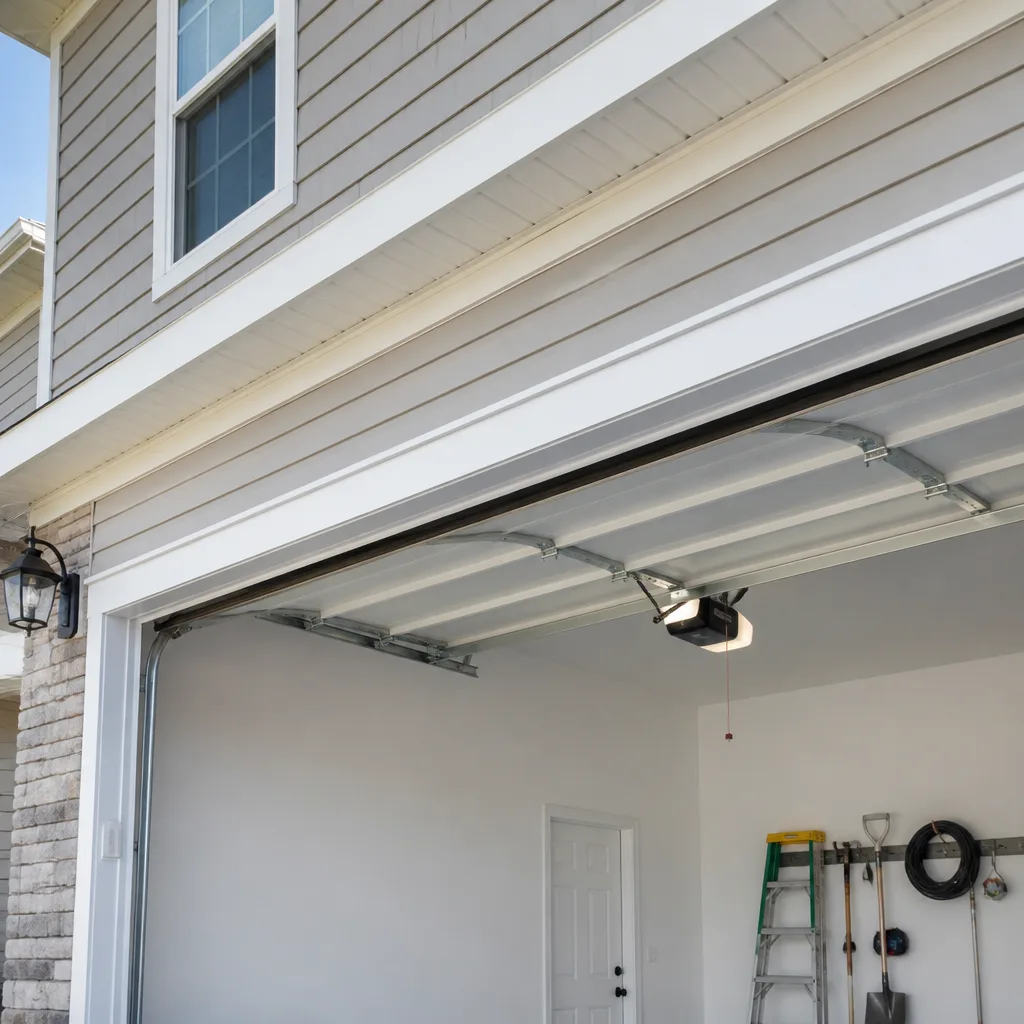 Chamberlain openers
Full 25-point door and opener safety check with every visit - springs, cables, rollers, tracks, and your LiftMaster or Chamberlain opener included
You get a price before we start. It does not change when the pro arrives.
Get your free estimateGarage Door Emergency Preparedness Guide for Lake View Homes
Most garage door advice assumes a driveway, a backup car, and a neighbor who can run you to work. Lake View doesn’t work that way. A lot of homes here open onto an alley, the garage is the only parking spot a household has, and the door behind that car is the single point of failure for the whole morning. When a torsion spring snaps in January or a door freezes shut after a hard cold snap, the car is simply stuck until someone with the right parts and tools shows up. This guide walks through what to do in the moment: how to move a door manually without hurting yourself, how to get a frozen door open without wrecking the seal, how to secure an open door overnight, what to have ready before you call, and a pre-season checklist that heads off most winter failures before they happen. We’ll keep the focus tight, because a garage door is heavy machinery and the wrong move on a broken spring can end badly.
Quick Answer
If your garage door is stuck, frozen, or hanging on a broken spring in Lake View, the safest move is almost always to leave it alone, secure the opening if it’s up, and call a specialist. Do not force a door with a broken spring, and do not try to open a frozen door by overpowering the opener. Before you call, note your door and opener brand, since brand-specific parts make the difference between a same-visit repair and a multi-day wait. We work on Raynor and LiftMaster doors and openers regularly, along with Chamberlain and Genie systems, and knowing the brand up front lets us confirm parts before we head out.
Styles & brands we work with
- Raised-panel steel
- Carriage house
- Modern flush
- Full-view glass
- LiftMaster openers
- Chamberlain openers
Table of Contents
- Why Lake View Emergencies Feel Different
- How Do You Use the Emergency Release Cord Safely?
- How Do You Free a Frozen Garage Door Without Damaging It?
- How Do You Secure an Open or Stuck Door Overnight?
- What Should You Have Ready Before Calling for Emergency Service?
- The Pre-Season Checklist: Five Conditions That Predict Winter Failures
- Why Spring Repair Is Not a DIY Job
- What Does Emergency Garage Door Work Cost in Lake View?
Why Lake View Emergencies Feel Different
Picture the geography for a second. Lake View is dense, much of the housing stock is older, and a big share of the garages are detached and sit off the alley behind the main building. That layout has real consequences for a garage door emergency. There’s often no second parking spot out front, street permit parking is tight, and many households run on one vehicle. So when the door fails, the failure isn’t a minor inconvenience you can shrug off until the weekend. It’s the difference between making it to work and missing a day.
The other local factor is the weather. Chicago winters bring deep freezes, snowmelt, and freeze-thaw cycles that work on every seal, hinge, and track on the door. A door that opened smoothly in October can be a completely different machine after a January cold snap. We see the same pattern every season in Lake View: doors that were fine in fall start binding, the bottom seal glues itself to the concrete, and openers start straining against a door that’s suddenly resisting.
Older alley garages also tend to have older hardware. A Raynor or LiftMaster door installed years ago may be running original springs that are near the end of their service life, and the opener may be a legacy unit still doing its job but overdue for attention. That combination is exactly why emergency calls spike here during cold weather. Understanding the layout and the climate is half of being prepared. The other half is knowing the right moves when something gives.
How Do You Use the Emergency Release Cord Safely?
The emergency release cord lets you disconnect the door from the opener so you can move it by hand, but it comes with a serious warning. If your door has a broken spring, do not pull the cord and do not try to lift the door manually. A door with a failed spring can weigh far more than a person can safely control, and once it’s off the opener it can come down fast. That’s a genuine injury risk, not a scare tactic.
When the spring is intact and the problem is only that the opener has lost power or jammed, the release is straightforward. Here’s the safe sequence:
- Make sure no one is standing under the door and the area is clear.
- Locate the release cord, usually hanging from the opener trolley rail. If it’s a red cord, you’ve found the right one.
- Pull straight down and toward the door to disengage the trolley. You’ll feel it release.
- Lift the door slowly by hand, keeping both hands on a solid section, and raise it fully until it stays up on its own.
- Move the car out, lower the door gently by hand, and secure it in the closed position until a technician can look at it.
The key safety test is the weight. If the door feels heavy, won’t stay up, or slams down when you ease it closed, stop and leave it. That’s the sign of a failed spring or a balance problem, and it’s a job for a trained technician. Our technicians have up to 10 years of experience and treat a heavy door as a stop-work condition, not something to muscle through. If you’re ever unsure, the safer call is to leave the door alone and call us for garage door repair.
How Do You Free a Frozen Garage Door Without Damaging It?
A frozen-shut door is the classic Lake View winter emergency, and forcing it is how small problems become expensive ones. When the bottom seal freezes to the concrete, the opener keeps pushing against a door that physically can’t move. That strain travels into the opener gears, the springs, and the panels, and something eventually gives. The goal is to break the ice seal gently, not to overpower it.
Here’s the safe approach before you touch the opener:
- Disengage the opener first by pulling the release cord, so the opener isn’t fighting the ice.
- Check that the bottom seal is the actual problem by looking for ice bonding the rubber to the floor. Snowmelt that refreezes overnight is the usual culprit in Lake View alleys.
- Break the bond gradually. Warm (not boiling) water along the seal line, or a gentle application of heat from a safe distance, loosens the ice without cracking the rubber or warping a panel.
- Never chip at the ice with a shovel, pry bar, or screwdriver. You’ll tear the seal or bend the bottom panel, and a bent bottom section won’t seal again without replacement.
- Once it’s free, lift the door by hand a few inches to confirm it moves smoothly before re-engaging the opener.
If the door still won’t budge after the ice is broken, the problem isn’t the freeze. It’s likely a spring, cable, or track issue, and that’s the moment to stop and call. If your opener is straining, grinding, or reversing on its own, that points to the opener itself, which is a separate diagnosis covered by garage door opener repair. Chamberlain and Genie units, in particular, have their own logic for reversing and force limits, and a technician who knows the brand will read the symptoms faster than a generalist.
How Do You Secure an Open or Stuck Door Overnight?
If a technician can’t get to you until the next morning and the door is stuck open, the priority shifts from repair to security. An open alley garage in Lake View leaves your tools, bikes, and the car itself exposed, and an unsecured door can also let weather in overnight. The aim is to close and hold the opening safely without making the door harder to fix.
- If the door will lower by hand and the springs are intact, lower it fully and let it rest closed. It doesn’t need to lock if it’s down and holding.
- If the door won’t close all the way, block the opening from the inside where possible, using whatever sturdy, non-damaging material you have. Never wedge anything into the tracks or under the door in a way that could bend a panel or cable.
- If the door is stuck partway, don’t force it down. A door hung up on a broken cable or off-track roller can drop suddenly if you push it. Leave it where it sits and secure the space around it.
- Move valuables out of the garage if the door has to stay open, and lock the door between the garage and the house.
- Keep the car inside only if the door is fully closed and stable. If it’s open, the vehicle and contents are exposed, so plan around that for the night.
One thing not to do: don’t try to prop a heavy door open or closed with a ladder or a board and then leave it. A door that’s off its normal balance can shift under its own weight. If you’re not sure whether it’s stable, assume it isn’t and keep clear of it. We’d rather you call, describe the situation, and get a plan than improvise with a door that could move on its own.
What Should You Have Ready Before Calling for Emergency Service?
The fastest way to get your door fixed is to give the technician enough information to confirm parts before anyone is sent out. This is where a brand-specific specialist pulls ahead of a generic repair outfit. If we know your door brand and the symptom, we can check whether the part is on hand, and that’s the difference between a same-day repair and a wait for an order.
Have these details ready when you call:
- Door brand and model, if you can find it. We work on Clopay, Amarr, Wayne Dalton, Raynor, and other major brands, and knowing which one matters. A sticker on the door or a stamp on the hardware often tells you.
- Opener brand and model. LiftMaster, Chamberlain, Genie, and Craftsman each have their own parts and troubleshooting logic.
- The exact symptom. Is the door stuck open, stuck closed, hanging on one side, or making a noise? Does the opener run but the door doesn’t move, or does nothing happen at all?
- What you’ve already tried. If you pulled the emergency release or broke ice off the seal, say so. It changes the diagnosis.
- Whether the car is trapped inside. This helps prioritize the call and plan the work around your schedule.
- Whether the door is secure. If it’s open to the alley, tell us. Safety and security come first.
Have your address and a callback number ready, and mention if there’s anything unusual about the garage, like a tight alley approach or a low clearance. That’s practical detail that saves time on arrival. Armed with the brand and symptom, we can often tell you before we head out whether the fix is likely a same-visit repair or something that needs a part. That single step is why we emphasize brand familiarity: it turns guesswork into a plan.
The Pre-Season Checklist: Five Conditions That Predict Winter Failures
Most cold-weather garage door emergencies in Lake View don’t come out of nowhere. They build up over the fall and show themselves in the first hard freeze. If you check for these five conditions before winter sets in, you head off the large majority of failures we see each season.
- An old, weakening torsion spring. Springs lose tension over time, and a spring near the end of its life tends to fail in cold weather when metal is brittle. If the door feels heavier than it used to, or opens unevenly, have the springs checked before the first freeze.
- A worn or cracked bottom seal. A torn seal lets snowmelt and cold air reach the door edge, and a cracked seal is the surface that freezes to the concrete. Replace a damaged seal in the fall so it can’t glue itself shut in January.
- A struggling opener. If your LiftMaster, Chamberlain, or Genie opener grinds, strains, or reverses for no reason, the cold will make it worse. A door that the opener barely lifts in October may not lift at all in February.
- Dry or binding hinges and rollers. Cold stiffens old lubricant and metal. A little seasonal attention to the moving parts keeps the door cycling smoothly and takes load off the springs and opener.
- A misaligned or dirty track. Debris, ice, and a slightly bent track all cause binding, and binding is what forces a struggling opener to give out. Look for gaps, bends, or anything that makes the door drag.
Run this checklist every fall, and you’ll spend less time stuck in an alley in January. It’s the single most effective thing a Lake View homeowner can do to avoid an emergency call. If you find more than one item on the list, that’s a sign the door needs a professional look before winter, not after it fails. A short visit now beats a cold morning with the car locked in.
Why Spring Repair Is Not a DIY Job
Torsion springs store an enormous amount of energy, and releasing that energy the wrong way can cause serious injury. This is the honest reason spring repair stays with trained professionals: it’s not about difficulty, it’s about the danger. The tools alone, properly sized winding bars, are not something most homeowners have, and an improvised substitute can slip under load. We treat spring work as safety-critical, and so should you.
The symptoms of a failed spring are usually obvious. You’ll hear a loud bang from the garage, the door will feel extremely heavy, and the opener may run without lifting the door at all. When that happens, the safe move is to stop, keep everyone clear of the door, and call. Don’t try to wind or unwind a spring yourself, and don’t buy a spring online and attempt the swap. The stakes are too high for a mistake.
At the same time, spring repair is a core part of what we do, and it’s a repair we can often complete in a single visit because we carry parts for major brands. That matters in Lake View, where a door stuck on a broken spring takes a household’s only car off the road. If your spring fails, that’s the call to make first. For a broader reset, Garage Door Repair Lake View covers the full spread of repair work, and our technicians have up to 10 years of experience with this exact kind of failure.
What Does Emergency Garage Door Work Cost in Lake View?
Emergency garage door work in Lake View typically falls into a few common categories, and we quote a written price before any work starts so there are no surprises when the job is done. The biggest variable is whether a part is needed and whether it’s on hand. Brand-specific familiarity and a parts inventory are what keep a repair to one visit instead of a callback, and a one-visit repair is almost always the better value.
| Common Job | What Drives the Estimate |
|---|---|
| Torsion spring replacement | Spring size and door weight; a matched pair is replaced together and costs about twice a single spring |
| Frozen door service | Whether the seal or hardware was damaged; often a repair plus a seal replacement |
| Opener diagnosis and repair | Brand and model; whether the issue is the opener, the door, or both |
| Cable or roller repair | How much of the mechanism was affected and whether the door went off-track |
| Door or panel replacement | Door size, material, and brand; measured and ordered, then scheduled |
The right way to think about it: a repair that’s done correctly the first time, with the right brand-specific part, is cheaper than a repair that comes back. We give a written estimate before work begins, and that written quote is the price. If you’re weighing a repair against a new door, the honest answer depends on the door’s condition and the rest of the mechanism. garage door installation is measured and scheduled, never rushed, and we’ll tell you plainly when a repair makes more sense than a replacement. For a firm number, call (833) 468-5605 for a free estimate.
Common Mistakes to Avoid
- Forcing a frozen door open with the opener. This is the most common way a small freeze turns into a broken spring or a burnt-out opener gear. Disengage the release first, break the ice seal gently, and only then try to move the door in Lake View.
- Pulling the emergency release on a door with a broken spring. A door with a failed spring is far heavier than it looks, and releasing it from the opener can let it drop. If the door feels heavy or won’t stay up, don’t pull the cord.
- Propping an unstable door and walking away. A door off its balance can shift under its own weight overnight. If it’s not stable, keep clear of it and call a technician.
- Chipping ice off the seal with a tool. Shovels and pry bars tear the rubber and bend panels. Use gentle heat and warm water, and if the seal is already damaged, plan to replace it.
- Ignoring a straining opener until it fails. A LiftMaster, Chamberlain, or Genie opener that grinds or reverses in the fall will struggle harder in a Lake View freeze. Get it looked at before winter, not during a cold snap.
- Buying a spring online and installing it yourself. Torsion springs store dangerous energy, and the wrong spring for your door adds stress to the whole system. This is a trained-technician job.
- Not knowing your brand when you call. Without the door and opener brand, a technician can’t confirm parts ahead of time, and the wait for an order turns a same-day fix into a multi-day one.
See the difference
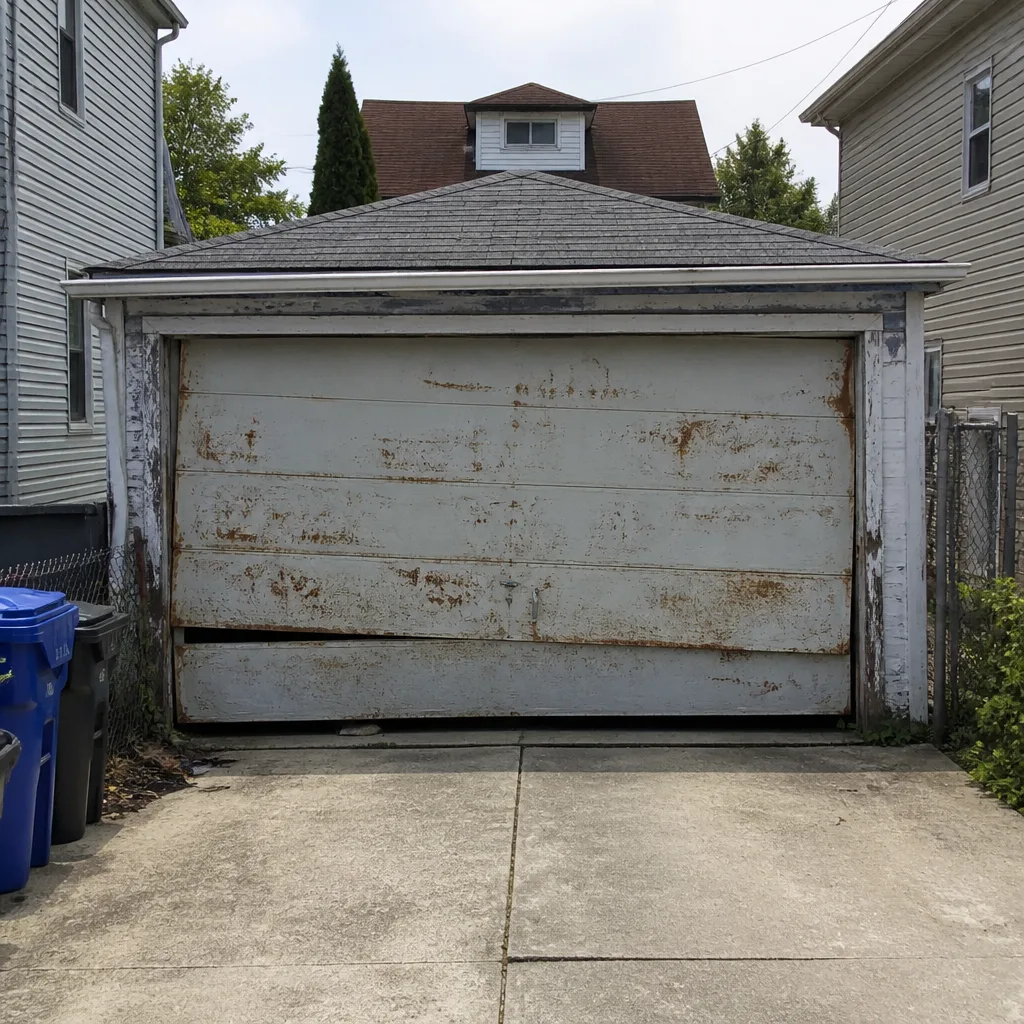 Before
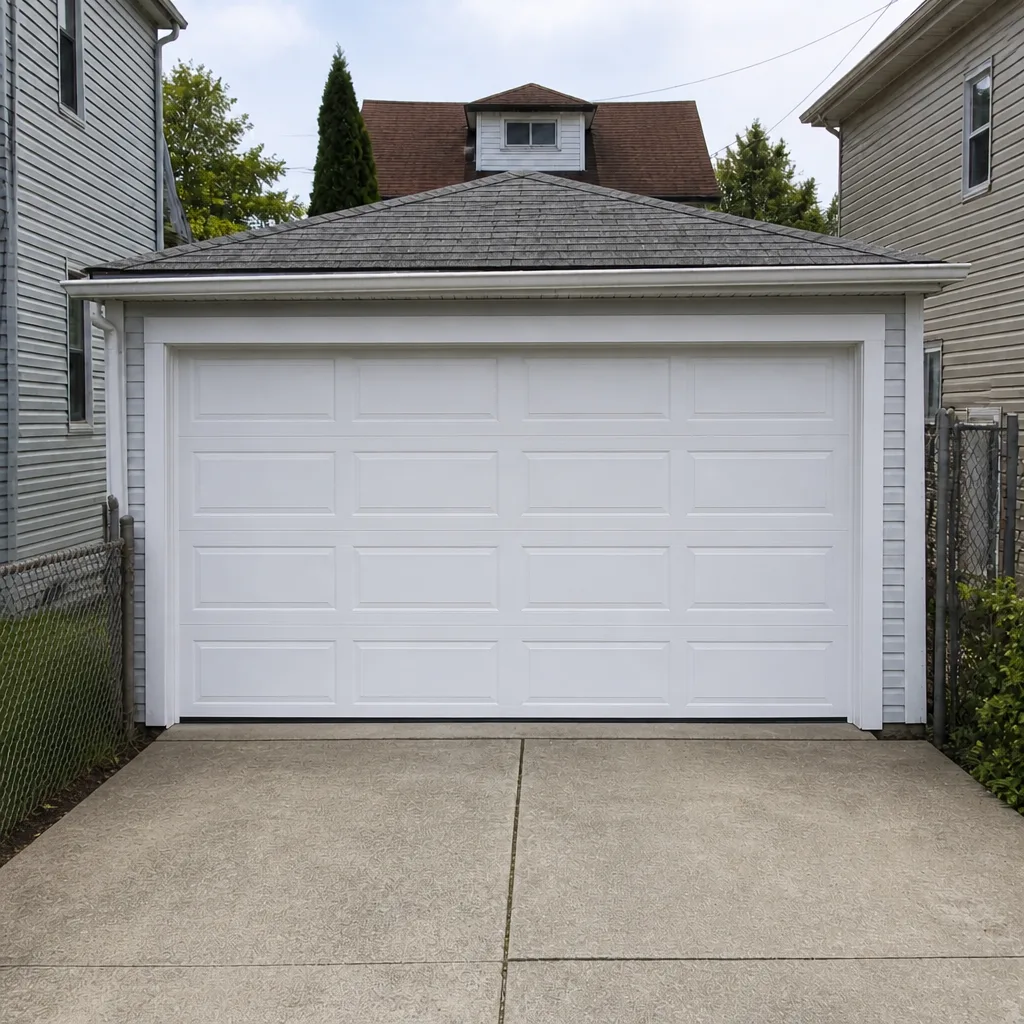 After
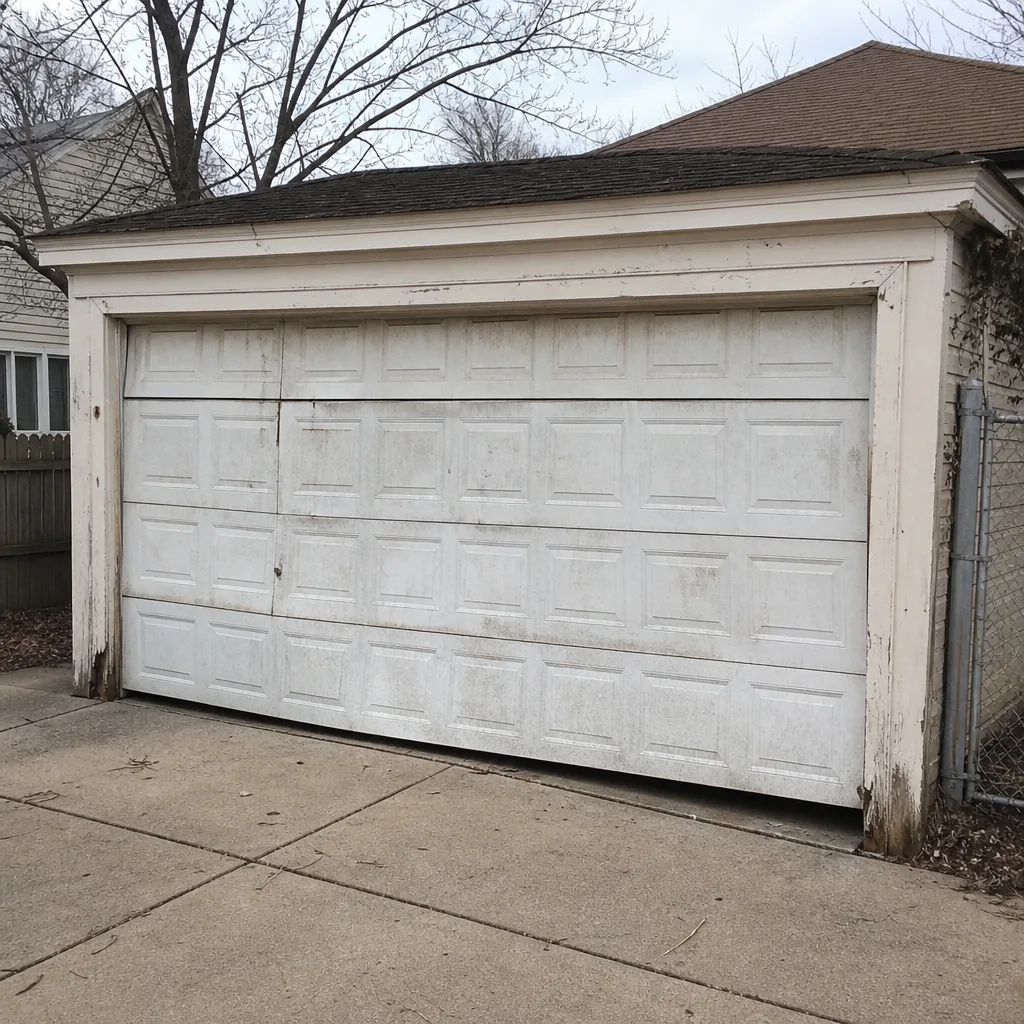 Before
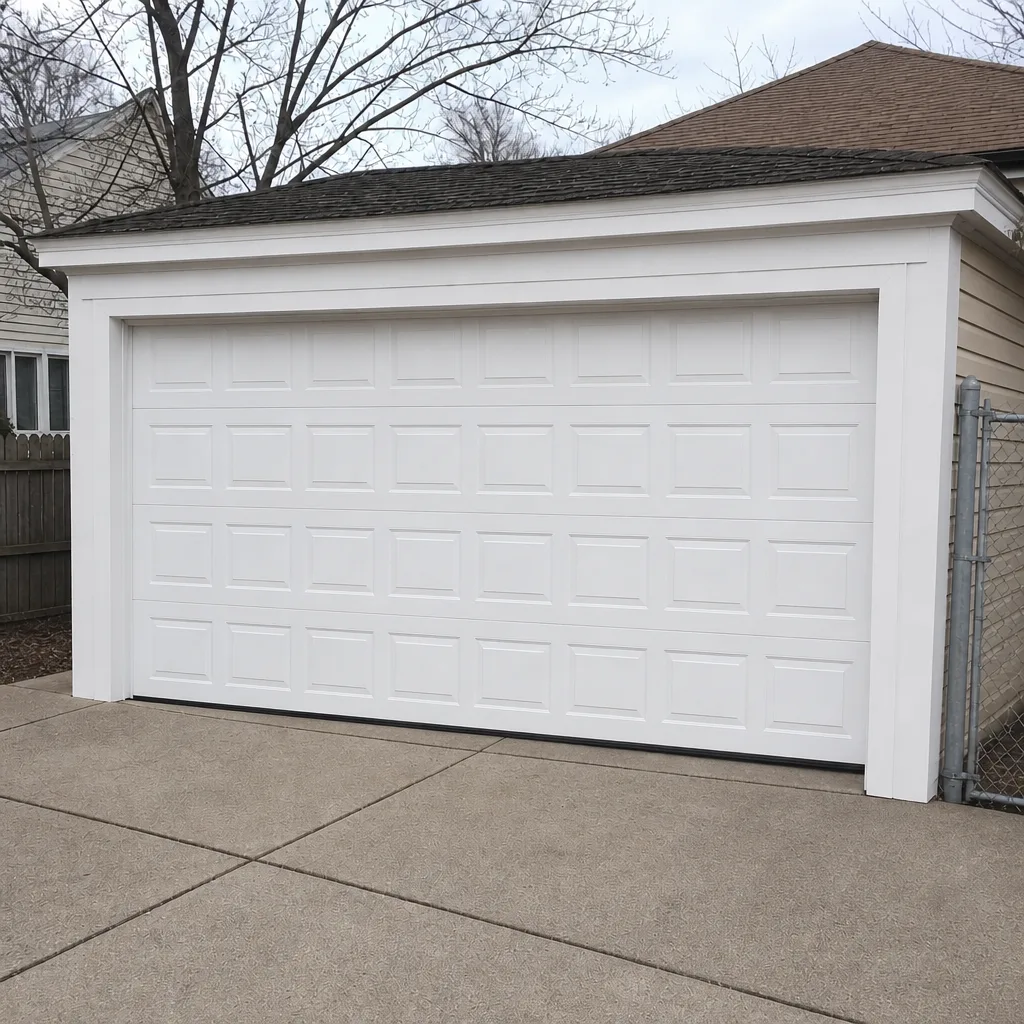 After
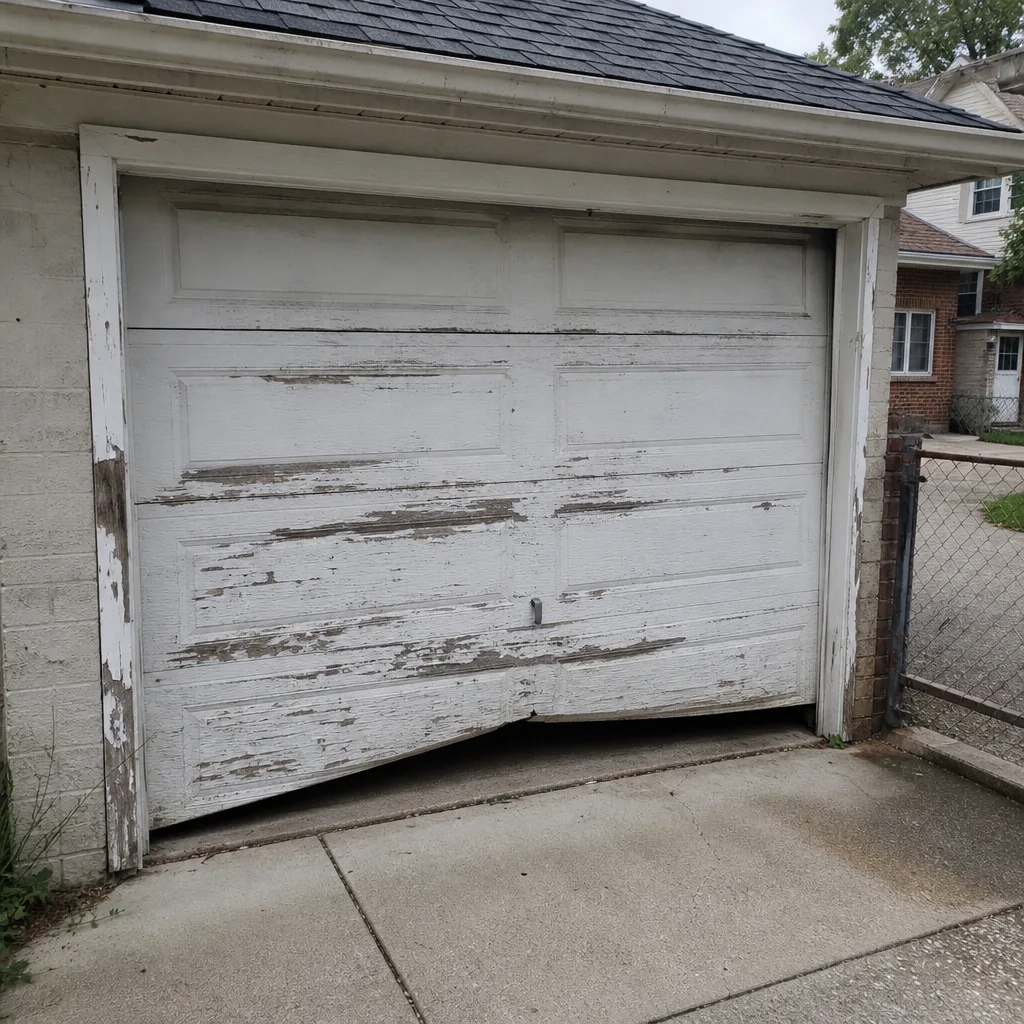 Before
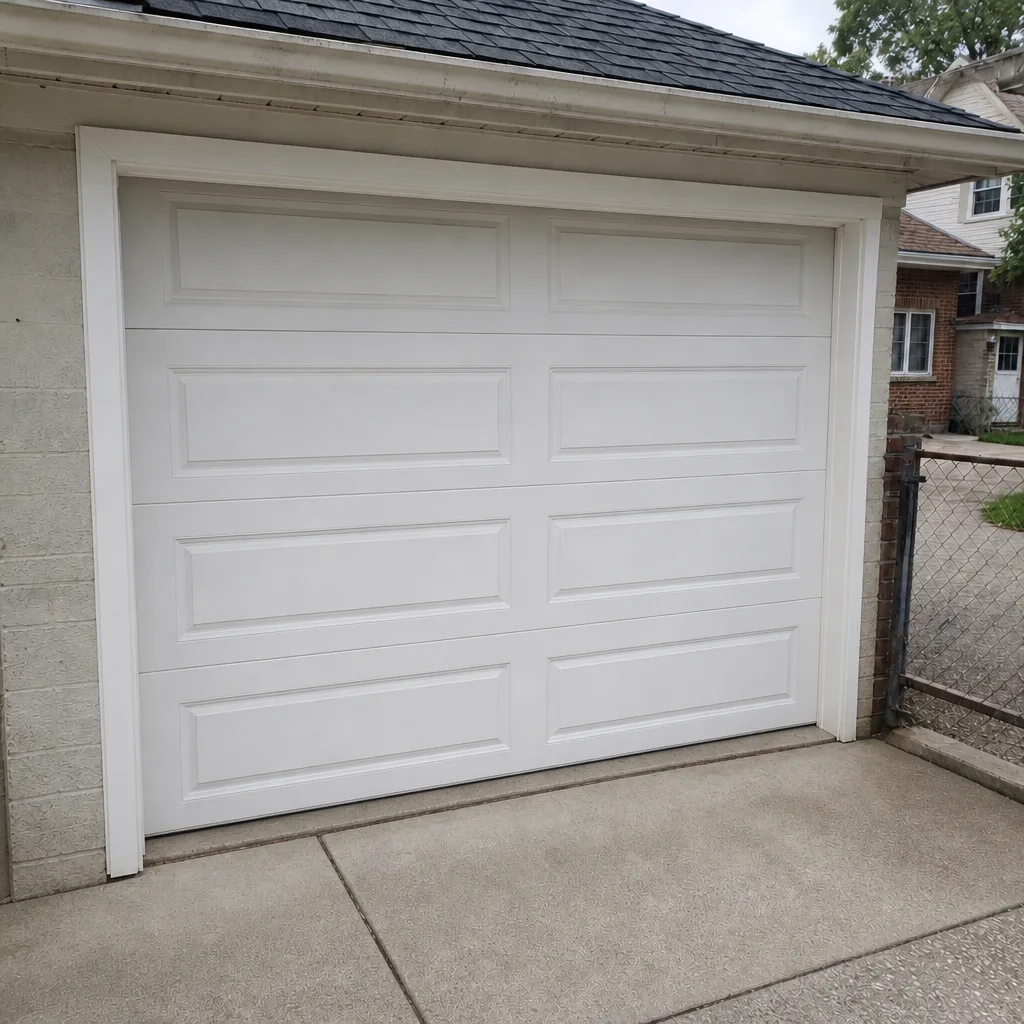 After
When to Call a Professional
Call a professional any time a door with a broken spring won’t stay up, when a door goes off-track or hangs on one side, when a cable has snapped, or when your opener runs but the door doesn’t move. Those are the scenarios where forcing the door or improvising a fix risks injury or a bigger repair. For a frozen door that frees up with gentle handling, you may only need advice and a seal replacement, which is worth a call too. Garage Door Repair Lake View offers free estimates in Lake View, and our technicians have up to 10 years of experience with the brand-specific logic that gets a repair done in one visit. If the car is trapped or the door is open to the alley, tell us when you call so we can help you plan. Call (833) 468-5605 and we’ll talk through the situation before anyone heads out.
Frequently Asked Questions
No, you should not try to lift a door with a broken spring by hand. A failed spring means the door can weigh far more than a person can control, and once released it can come down quickly. Keep everyone clear, secure the opening if it’s up, and call a technician.
Disengage the opener with the release cord first, then break the ice bond along the bottom seal gently with warm water or safe heat. Never pry at the ice with a shovel or tool, and never let the opener force a frozen door. If it still won’t move after the seal is free, the cause is a spring, cable, or track issue, so call us at (833) 468-5605 for an exact estimate.
If the springs are intact, lower the door fully by hand and let it rest closed. If it won’t close, block the inside opening with sturdy, non-damaging material, move valuables out, and lock the door into the house. Don’t wedge anything into the tracks or under a door that’s hung up, since it can shift under its own weight.
We work on LiftMaster, Chamberlain, Genie, Clopay, Amarr, Wayne Dalton, Craftsman, and Raynor, and we carry replacement parts for major brands to enable same-visit repairs. Tell us your brand and symptom when you call so we can confirm availability before anyone is sent out. Call (833) 468-5605 to check.
Spring repair is one of our core services, and with the right part on hand it’s often a same-visit repair. The key is knowing your spring size and brand up front. Call (833) 468-5605 with those details and we’ll confirm what’s involved and give you a free estimate.
The estimate depends on the job: a spring replacement is driven by spring size and door weight, while a frozen door may need a repair plus a seal. A matched pair of springs costs about twice a single spring because they’re replaced together. We quote a written price before any work starts, and that written quote is what you pay. Call (833) 468-5605 for an exact estimate, which is free.
The Bottom Line
A garage door emergency in Lake View is really a planning problem dressed up as a panic. The homes here often park the only car behind an alley door, so a failure costs more than in a house with a backup spot. The fixes that matter most: never force a door with a broken spring, free a frozen door gently before touching the opener, secure an open door safely overnight, and go into any call knowing your brand so the part can be confirmed before anyone is sent. Run the winter checklist each fall to head off the five conditions behind most cold-weather failures. If the door’s already stuck, call Garage Door Repair Lake View at (833) 468-5605 for a free estimate. Our technicians have up to 10 years of experience, we work on your brand, and the written quote comes before any work starts.
Written by the team at Garage Door Repair Lake View.