Last updated November 21, 2026
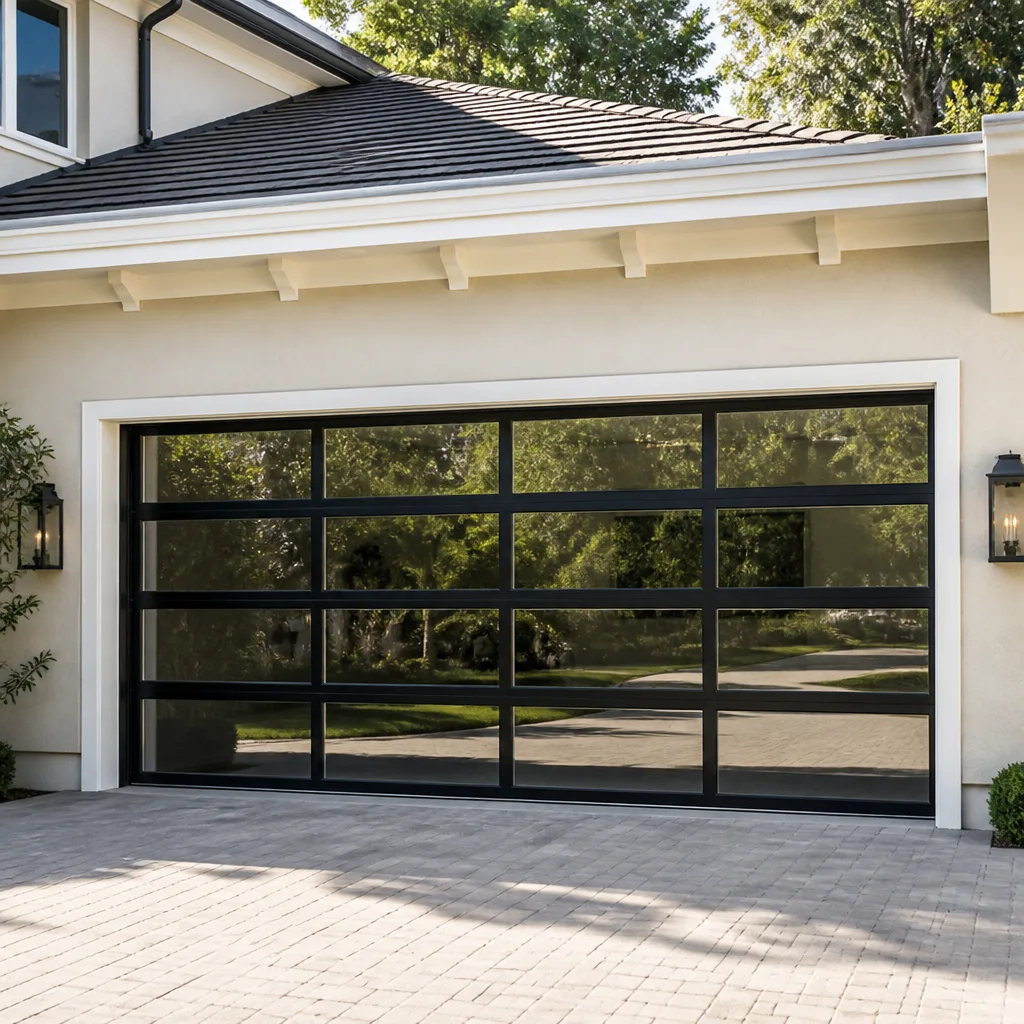 Full-view glass
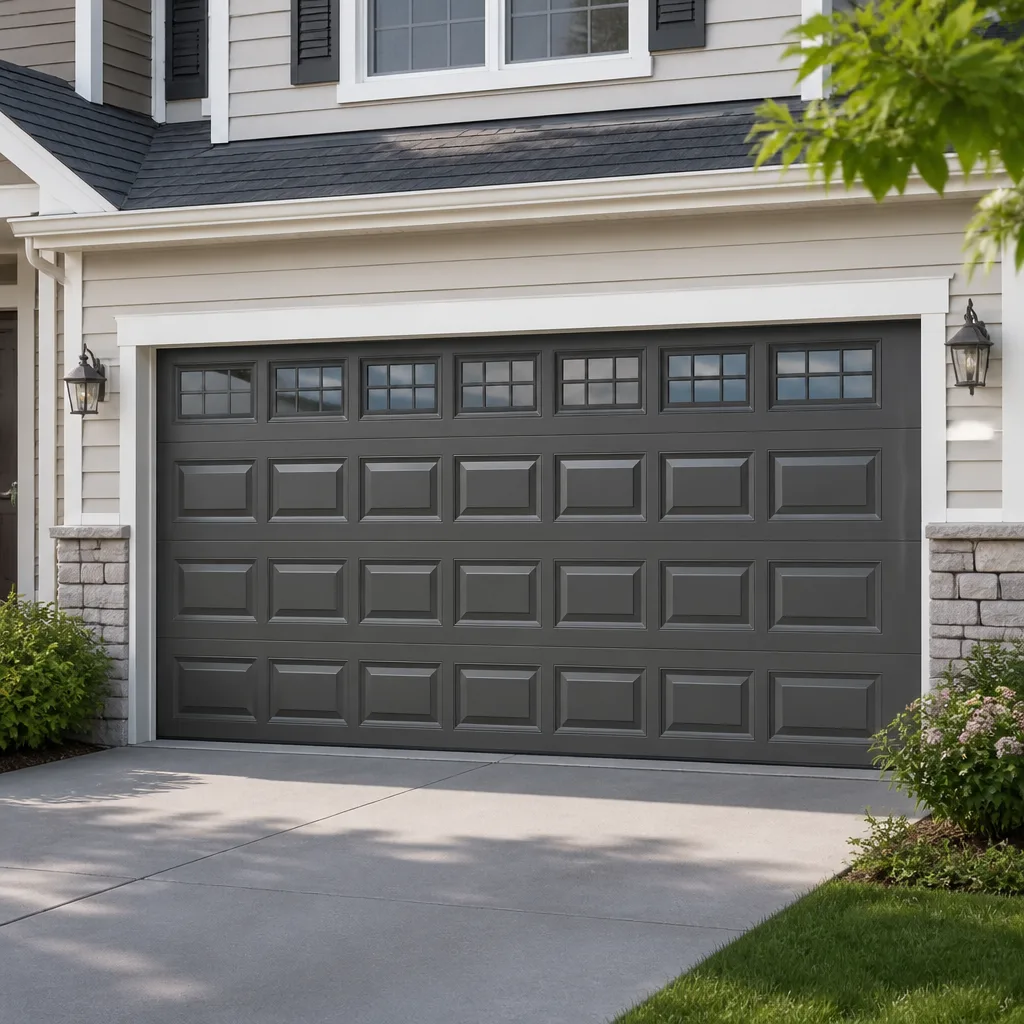 Raised-panel steel
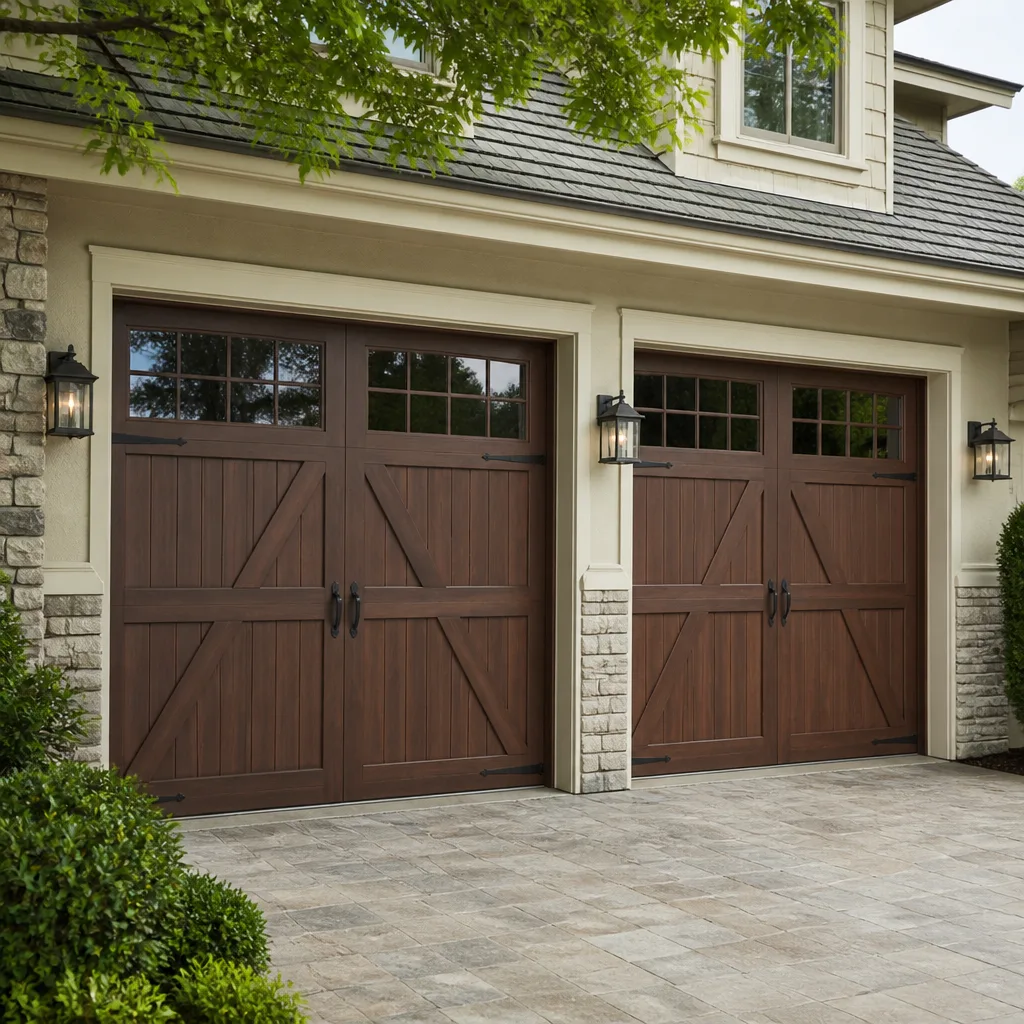 Carriage house
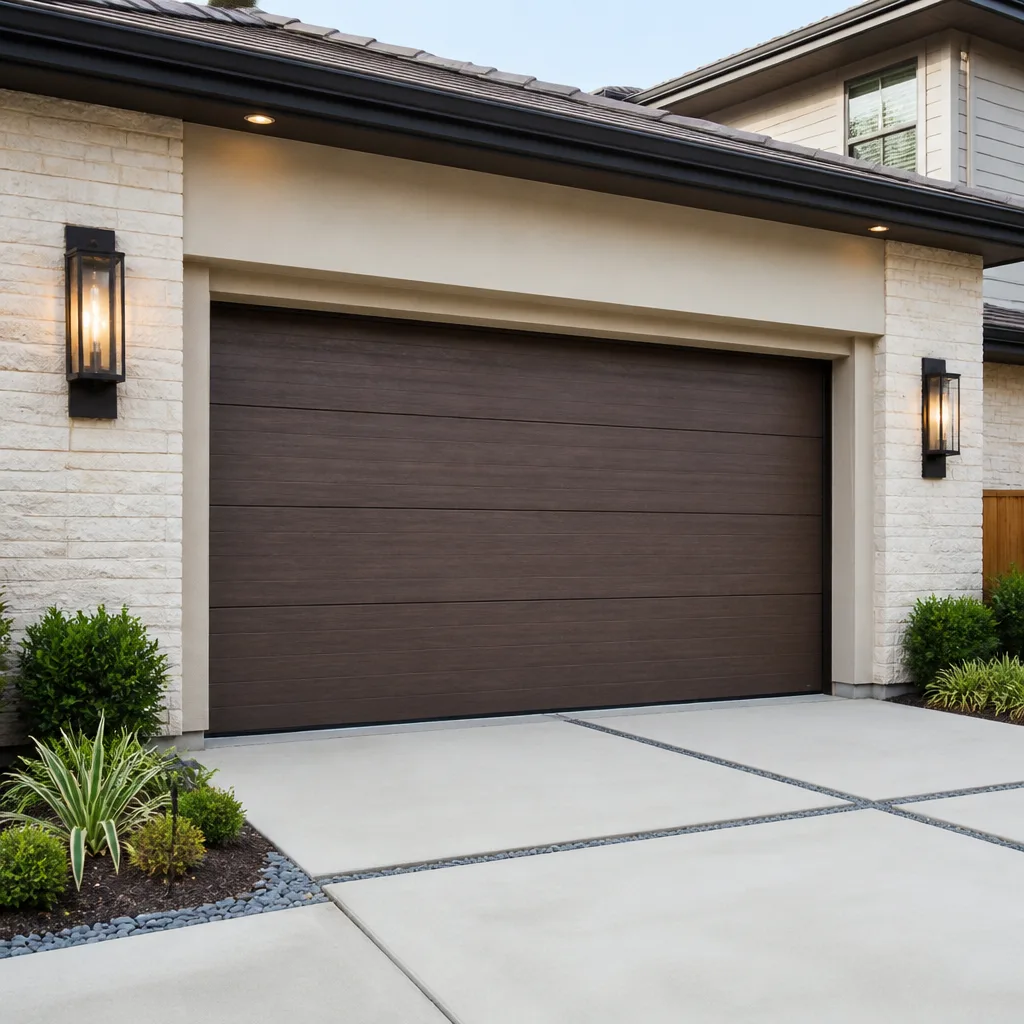 Modern flush
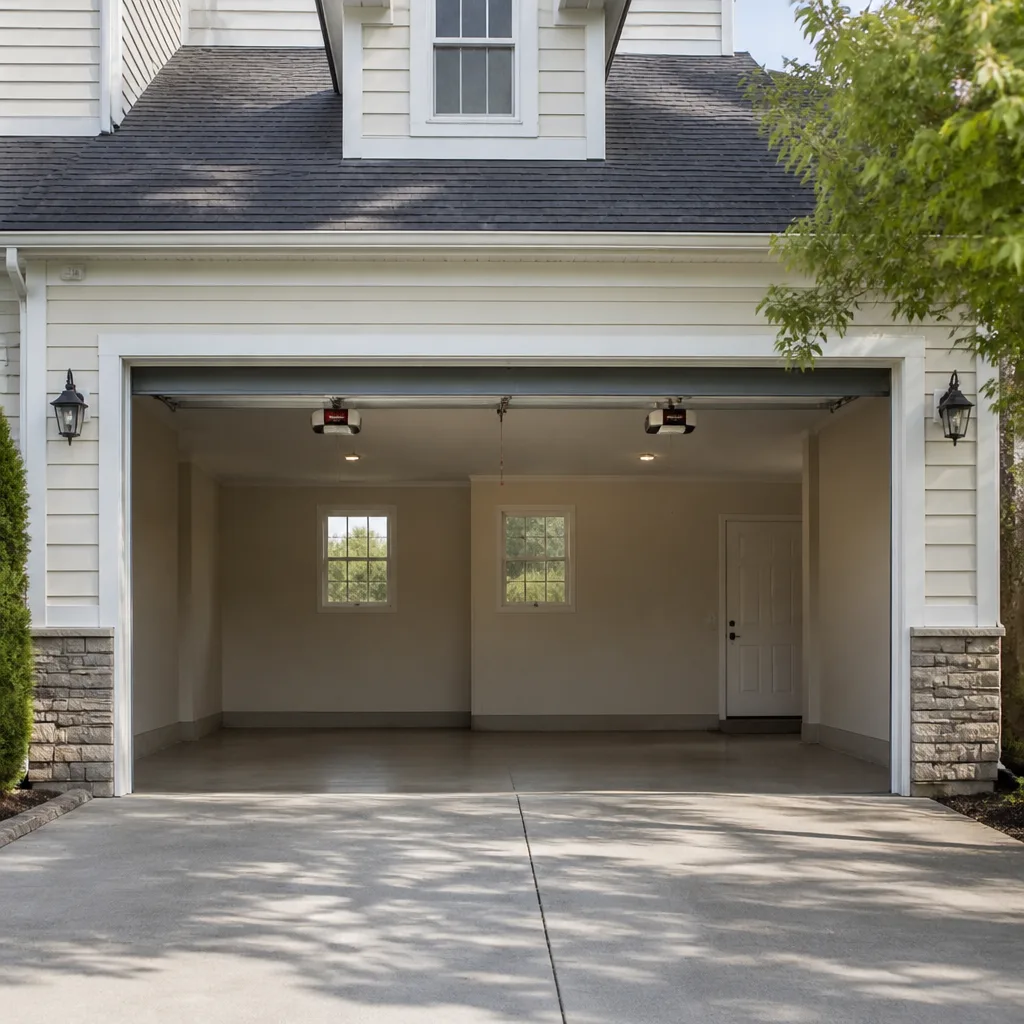 LiftMaster openers
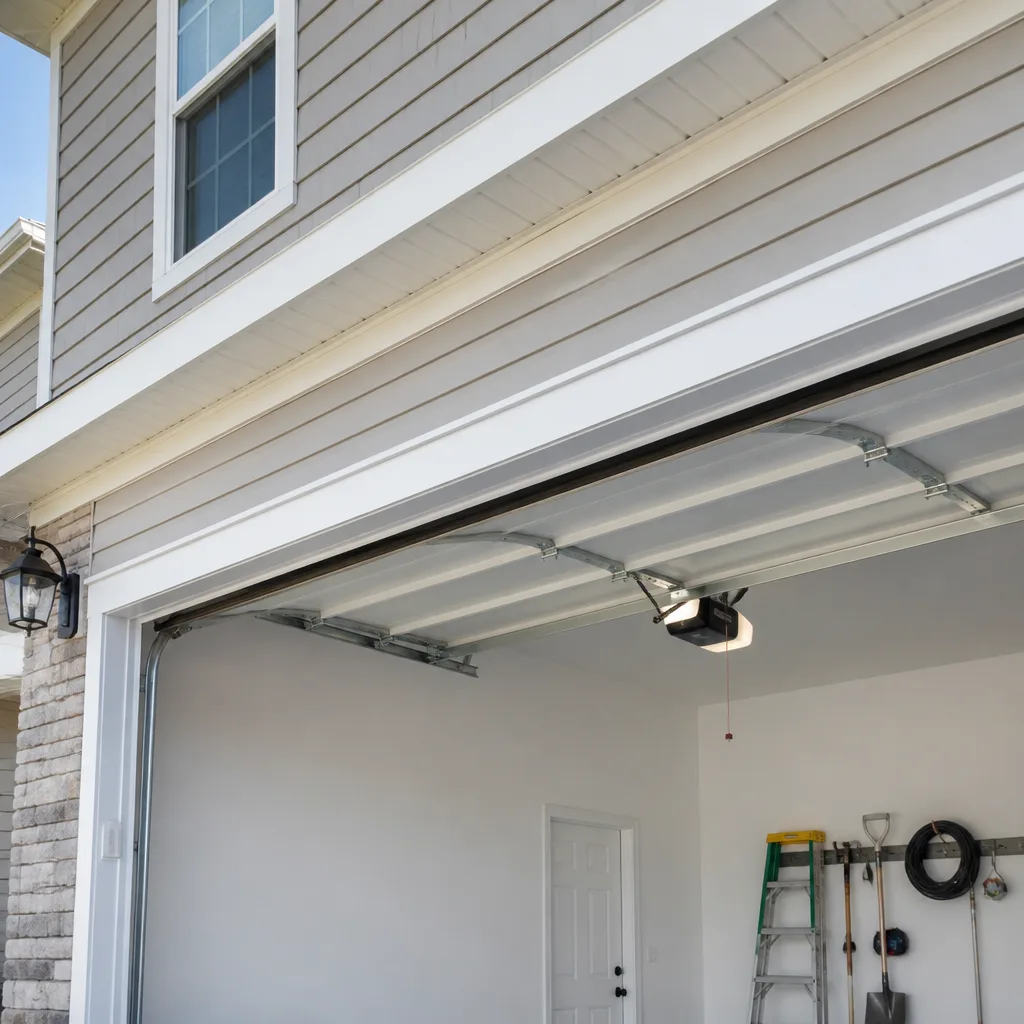 Chamberlain openers
Full 25-point door and opener safety check with every visit - springs, cables, rollers, tracks, and your LiftMaster or Chamberlain opener included
You get a price before we start. It does not change when the pro arrives.
Get your free estimateGarage Door Permits, Codes & Inspections in Lake View, IL: What You Need to Know
Most Lake View homeowners assume that swapping a garage door is permit-free work, and for a straight like-for-like swap it often is. But Lake View is full of greystones, brick two-flats, and detached garages that sit behind landmarked blocks and century-old framing, and the rules get more specific fast. Enlarge the opening on a detached garage, change how the door operates, or install a new door on a property inside a Chicago Landmark district, and you can cross into permit territory without realizing it. Skipping that step doesn’t just risk a fine. It can surface years later during a home sale, when an inspector or a title search catches unpermitted work and the deal stalls.
This guide walks through when a City of Chicago building permit is actually required, how landmark designation shapes what you can install, what the Chicago Building Code says about safety hardware, and who is legally responsible for pulling the permit. If you’ve ever wondered whether your Lake View garage door project needs paperwork, you’ll have a clear answer by the end.
Quick Answer
In Lake View, a like-for-like garage door replacement on a single-family home or two-flat usually does not require a City of Chicago building permit, but enlarging the opening, changing the door’s structural support, altering the garage structure, or installing a door on a property within a Chicago Landmark district generally does. Springs, cables, and other safety hardware must meet Chicago Building Code requirements regardless of permit status, and unpermitted work can create real problems when you sell. When in doubt, confirm with the city’s building department and, for landmarked properties, the Department of Planning and Development before any door is ordered.
Styles & brands we work with
- Raised-panel steel
- Carriage house
- Modern flush
- Full-view glass
- LiftMaster openers
- Chamberlain openers
Table of Contents
- When does a garage door replacement need a permit in Lake View?
- What counts as a like-for-like swap?
- How does Chicago Landmark designation affect your garage door?
- What does the Chicago Building Code require for garage door safety hardware?
- What “work without permit” does to a home sale, and how to fix it
- Who pulls the permit, and why it matters if an inspection fails
- What a garage door inspection covers in Lake View
- A step-by-step path to a permitted, code-compliant door
When does a garage door replacement need a permit in Lake View?
The short version: a permit is usually required when the work changes the structure, the opening size, or the way the door operates, and usually isn’t required when you’re replacing an existing door with one of the same size and type in the same opening. Chicago’s permit rules are written around construction that alters a building, and a straight door swap on a standard residential garage generally doesn’t rise to that level. What triggers a permit is anything that touches the building envelope or its structural framing.
Work that commonly requires a City of Chicago building permit on a Lake View garage includes:
- Enlarging or resizing the garage door opening – cutting into a header, widening a rough opening, or raising the top of the opening.
- Changing the structural support over the opening – replacing or modifying a header or lintel.
- Converting a manual door to an automatic opener where electrical work is added.
- Changing a garage from unheated to conditioned space, or altering its walls or roofline.
- New garage construction or a rebuild of an existing detached garage.
- Any work on a property inside a Chicago Landmark district that affects exterior appearance, which is reviewed through a separate landmark process.
What usually does not require a permit:
- Replacing a door with one of the same dimensions and operating type in the same opening.
- Replacing springs, cables, rollers, hinges, or tracks.
- Repairing or replacing an opener on the existing wiring.
- Routine maintenance and adjustment.
This is where a Lake View garage door project gets interesting. Many of the detached garages behind the neighborhood’s older homes were built decades ago, and “same size” isn’t always obvious until you measure. If a previous owner changed the opening, or the framing has settled, what looks like a simple replacement may need a closer look. That’s one reason we walk a Lake View property before quoting a replacement: the door on the truck has to fit what’s actually there, not what the last permit drawing says.
What counts as a like-for-like swap?
A like-for-like swap means the new door occupies the same opening, at the same height and width, with the same operating mechanism, without changing the structure around it. It’s the difference between a project that’s essentially a part replacement and one that’s a construction change. The city’s building department draws the line the same way: if you’re not altering the building, you’re generally not pulling a construction permit.
Here’s how to tell the two apart before you order a door in Lake View:
- Measure the rough opening. Height and width of the framed opening, not the door itself. If the new door matches, you’re likely in like-for-like territory.
- Confirm the operating type. Manual to manual, sectional to sectional, roll-up to roll-up. Switching from a manual door to an automatic one changes the scope.
- Check the framing and header. Sagging, rotted, or previously modified framing is a sign the opening may need structural work, which is a permit-level project.
- Look at the tracks and clearance. Low-headroom or high-lift conversions often change how the door sits in the opening.
- Confirm landmark status. Even a like-for-like swap can need landmark review if the property is designated and the door’s appearance changes.
We’ve seen plenty of Lake View garages where the door that was removed didn’t match the opening it came out of, which suggests an earlier project was done without a permit or without careful measuring. If you’re unsure, get the opening measured by someone who installs doors for a living rather than a general contractor, and have them tell you plainly whether the work is a swap or a structural change. That single answer determines whether you’re looking at paperwork or a straightforward install.
How does Chicago Landmark designation affect your garage door?
Chicago Landmark designation protects the exterior character of a building, and that includes garage doors on designated properties and properties within designated districts. Lake View has a real concentration of landmark-protected blocks, and several of them include homes with garages that face an alley or a side street. When a property is designated, changes to the exterior that are visible from the public way or that affect the building’s character typically need review through the city’s landmark process before the work happens.
What landmark review actually cares about, in practical terms:
- Material. A wood door on a historic garage usually needs to stay wood, or something that reads as wood at a glance. A shiny steel door on a brick 1920s garage is the kind of change that draws a review.
- Color. Garage door color on a landmarked property is often reviewed for compatibility with the building and block. Neutral and historically consistent colors are the safer path.
- Panel design. Raised-panel, carriage-style, or flat-panel designs are matched to the era and style of the building so a new door doesn’t look out of place on a greystone or a brick two-flat.
- Window and glazing pattern. If the original door had windows, the replacement usually should too, and in a similar configuration.
- Hardware and trim details. Decorative hinges, handles, and trim can matter on a visible facade.
The brands we work with give Lake View homeowners real options here. Clopay and Amarr both offer door lines in panel profiles and finishes that suit older residential architecture, so you don’t have to choose between landmark compliance and a modern, insulated door. Raynor and Wayne Dalton build sectional doors in a range of styles that can match a historic look while giving you better weather sealing than the original. If your Lake View home sits on a landmarked block, get the design questions answered before you buy: a color and panel choice that gets rejected in review is money spent twice.
Timing matters too. Landmark review is not instant, and it runs alongside any building permit. Build that into your project calendar rather than assuming a week is enough. If you’re planning a garage door installation on a designated property, ask up front whether the design has been pre-reviewed or will need to be.
What does the Chicago Building Code require for garage door safety hardware?
The Chicago Building Code, Title 14B, sets requirements for garage door safety hardware, and the parts that matter most are the ones under the highest tension: springs, cables, and the containment or restraint systems that keep them from becoming projectiles if they fail. The code doesn’t just address how the door is installed. It addresses how it fails. That’s the piece most homeowners never think about until something breaks.
What that means for a Lake View garage in practice:
- Spring containment. Springs under tension need the proper containment or restraint hardware so a break doesn’t send pieces across the garage. Older Lake View garages with exposed extension springs are the ones most likely to be missing it.
- Cable and drum condition. Cables and drums are part of the safety system, not just the lifting mechanism. Frayed cables are a hazard, and replacing them correctly is part of a code-compliant installation.
- Reverse and safety features on automatic doors. Automatic openers need the safety features they were manufactured with, including reversing mechanisms and photo-eye sensors, functioning properly.
- Structural attachment. Track and bracket mounting to the framing has to be sound, especially on older garages where the framing has aged.
This is also where the danger sits. Springs and cables are high-tension components, and a homeowner loosening the wrong bolt can be seriously hurt. We don’t give step-by-step DIY instruction on spring or cable work, and we’d rather tell you plainly: this is the part of the job where a trained professional with the right tools matters most. The code exists partly because these components fail violently. Our technicians have up to 10 years of experience working with this hardware across brands like LiftMaster, Chamberlain, Craftsman, and Raynor, and spring repair is one of our core services precisely because it’s the job most often botched at home.
If you’re hearing a bang from the garage, seeing a gap in a spring, or noticing a door that won’t stay up, treat it as a safety issue, not a maintenance item. A garage door repair Lake View visit can check the hardware, the containment, and the opener’s safety features in one trip.
What “work without permit” does to a home sale, and how to fix it
When you sell a home in Lake View, you’ll sign a property disclosure form, and that form asks whether you’re aware of any work done without required permits. If you check “yes,” or if a buyer’s inspector or the title company finds an unpermitted alteration, the sale can stall. Buyers ask for proof the work was permitted, or they ask for a credit. Sometimes the parties agree to escrow money at closing until the paperwork is resolved, which ties up cash and adds weeks of delay to a deal that was otherwise done.
The cure is proactive, and it’s usually cheaper and faster than people expect:
- Find out what’s actually permitted. Pull the permit history for the address through the city. If a garage door enlargement was done without a permit, it will show there.
- Get the work inspected. A licensed contractor can review the existing installation for safety and code compliance, so you know what, if anything, needs correcting.
- Correct any deficiencies. If a spring is missing containment hardware or the framing was modified, that gets fixed first.
- Apply for the permit retroactively where the city allows it. Not every situation permits this, but the building department can tell you what’s available for the specific scope of work.
- Get the inspection and close it out. A passed inspection and a closed permit take the issue off the disclosure form.
For Lake View homeowners planning to sell in the next few years, it’s worth checking the permit record for your garage now rather than at the closing table. Small unpermitted changes from decades ago are common in this neighborhood, and the cost of correcting one before a listing is almost always less than the cost of negotiating it under pressure. If you’re not sure what you’re looking at, a garage door specialist can inspect the door, opening, and hardware and tell you what looks original versus modified.
Who pulls the permit, and why it matters if an inspection fails
The person who pulls the permit is the party legally responsible for the work being code-compliant, and that distinction matters enormously when an inspection fails. In Chicago, a permit is generally pulled by a licensed contractor for the work in question, and the permit holder carries the responsibility for the scope they applied for. When the homeowner pulls their own permit as an owner-builder, the homeowner takes that responsibility on directly. Neither arrangement is automatically wrong, but the two carry very different risk.
Here’s how to think about it in Lake View:
- If the contractor pulls it, the contractor is on record as responsible for the installation meeting code. If an inspection fails, the contractor corrects it and the permit holder deals with the city.
- If the homeowner pulls it, the homeowner is the permit holder, and a failed inspection can put the correction back on them to arrange, even if the installation was subcontracted.
- Whoever pulls it, the permit should list the right scope. A permit pulled for a “repair” when the job is really an alteration can create its own problem at inspection or at resale.
Our position is simple: the person doing the installation should be the person pulling the permit and standing behind the work. If a company asks you to pull the permit for a structural change, that’s a question worth asking before the project starts. And if an inspection fails, the permit holder should be the one coordinating the correction, not handing the problem back to the homeowner.
We can’t pull a permit on the city’s behalf, but we can tell you clearly what scope needs paperwork and what doesn’t, and we work with the licensed installation that gets it right. Our technicians have up to 10 years of experience with the doors and openers going into Lake View homes, and that experience is exactly what tells us when a project is a swap and when it’s a permitted change.
What a garage door inspection covers in Lake View
A garage door inspection is a check of the door, the opening, and the hardware as a system, and it’s what a city inspector will be looking at if your project is permitted. In Lake View, where the housing stock is old and the climate swings hard between humid summer and freezing winter, the things an inspection catches are often the things that develop slowly: sagging headers, worn rollers, springs that have lost tension, and openers whose safety features have quit.
What a thorough inspection covers:
- The door and its panels. Condition, alignment, and whether the door sits square in the opening.
- Springs and cables. Tension, condition, and the presence of proper containment hardware, especially on older extension-spring setups.
- Tracks, rollers, and hinges. Wear, alignment, and quiet operation.
- The opener. The reversing mechanism and safety sensors, tested to confirm they work.
- The framing and attachment. Bracket and track mounting, header condition, and anything that suggests a previous structural change.
- Weather sealing. Bottom seals and thresholds, which matter more in a Chicago winter than most homeowners expect.
Many pre-listing inspections in Lake View find exactly the same thing: a door that works, but hardware that’s been quietly at the end of its life for years. A failed spring is a safety concern, not an inconvenience, and an opener without working safety sensors is a hazard to anyone under the door. If you’d like the system checked, our garage door opener repair service covers the opener and safety features, and a garage door repair visit covers the mechanical side in one appointment.
A step-by-step path to a permitted, code-compliant door
If you want the whole thing done right the first time, work through these steps in order. It’s the sequence we recommend to Lake View homeowners who aren’t sure whether their project is simple or needs paperwork.
- Confirm the project scope. Measure the opening and identify the operating type. Decide whether this is a like-for-like swap or a structural change.
- Check landmark status. Look up whether the property is a designated Chicago Landmark or sits within a landmark district.
- Call the city’s building department. Ask whether your specific scope requires a building permit. Get the answer for the work, not for a general category.
- Get the design reviewed if landmarked. Material, color, and panel design review happens through the planning department before installation.
- Order the door after approval. Never order a custom door or an opening-size change before permits and landmark review are settled.
- Confirm who pulls the permit. The installing contractor should be the permit holder for any structural scope.
- Install and inspect. Complete the installation, verify spring containment and opener safety features, and schedule the inspection the permit calls for.
- Close out the permit. Keep the inspection record with your home documents. It’s what removes the disclosure problem at a future sale.
Our technicians have up to 10 years of experience working with doors and openers from the major brands, and we can tell you at the walk-through which parts of your Lake View project are construction and which are a replacement. That’s the conversation that saves the most money and the most time.
Common Mistakes to Avoid
- Assuming every door swap is permit-free. A like-for-like replacement usually is, but an enlarged opening or a changed operating mechanism is not. Measure the opening before you assume anything.
- Ordering a custom door before landmark review. On a designated property, color and panel design changes can be rejected. Order after approval, not before.
- Asking the homeowner to pull the permit on structural work. If a contractor wants you to be the permit holder for a job that changes the building, ask why.
- Ignoring spring containment on an older garage. Many Lake View garages predate modern containment hardware, and a missing restraint is a real safety gap.
- Waiting until closing to check permit records. Pull the permit history now, not when a buyer’s inspector is walking the property.
- Swapping wood for steel on a historic facade. Landmark review cares about material, and a mismatched door can trigger a correction later.
- Skipping the opener safety test. A door that opens isn’t necessarily a system that’s safe. The reversing mechanism and sensors need to be tested, not assumed.
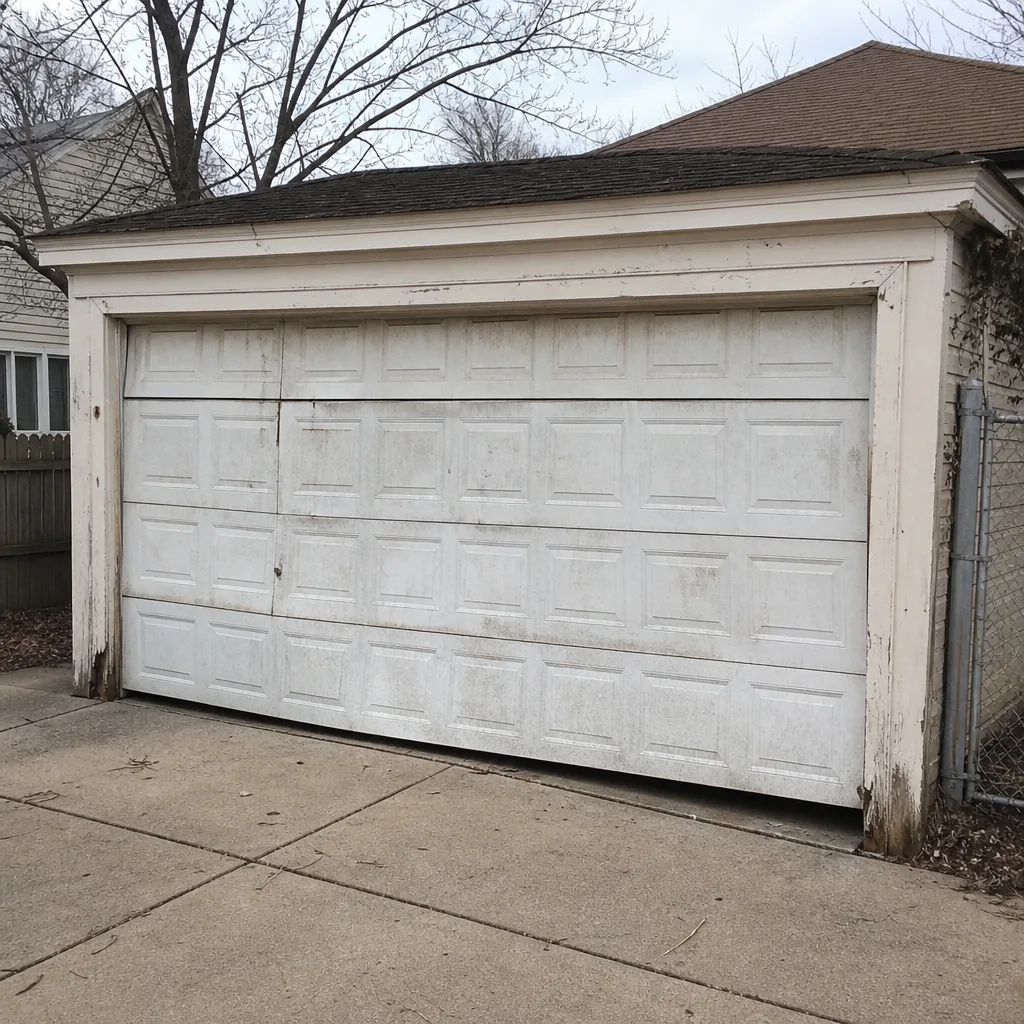
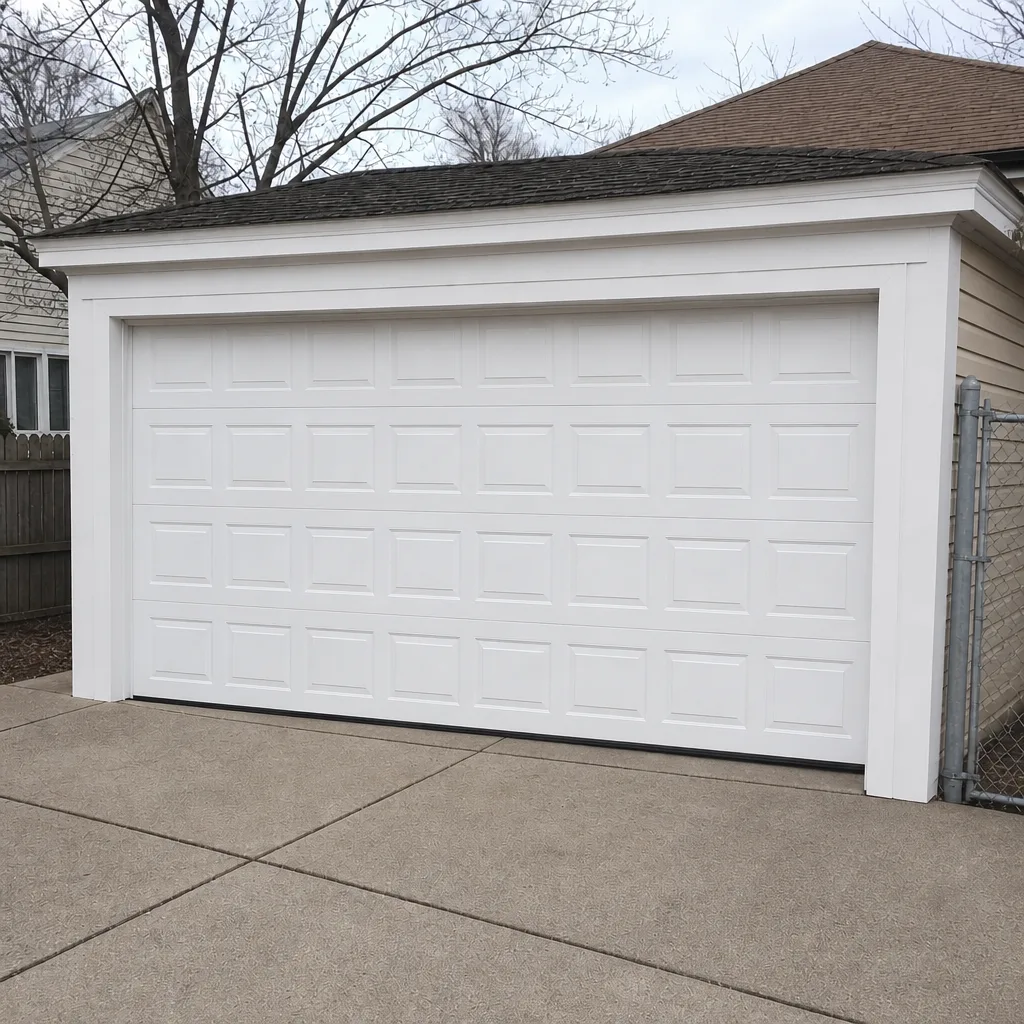
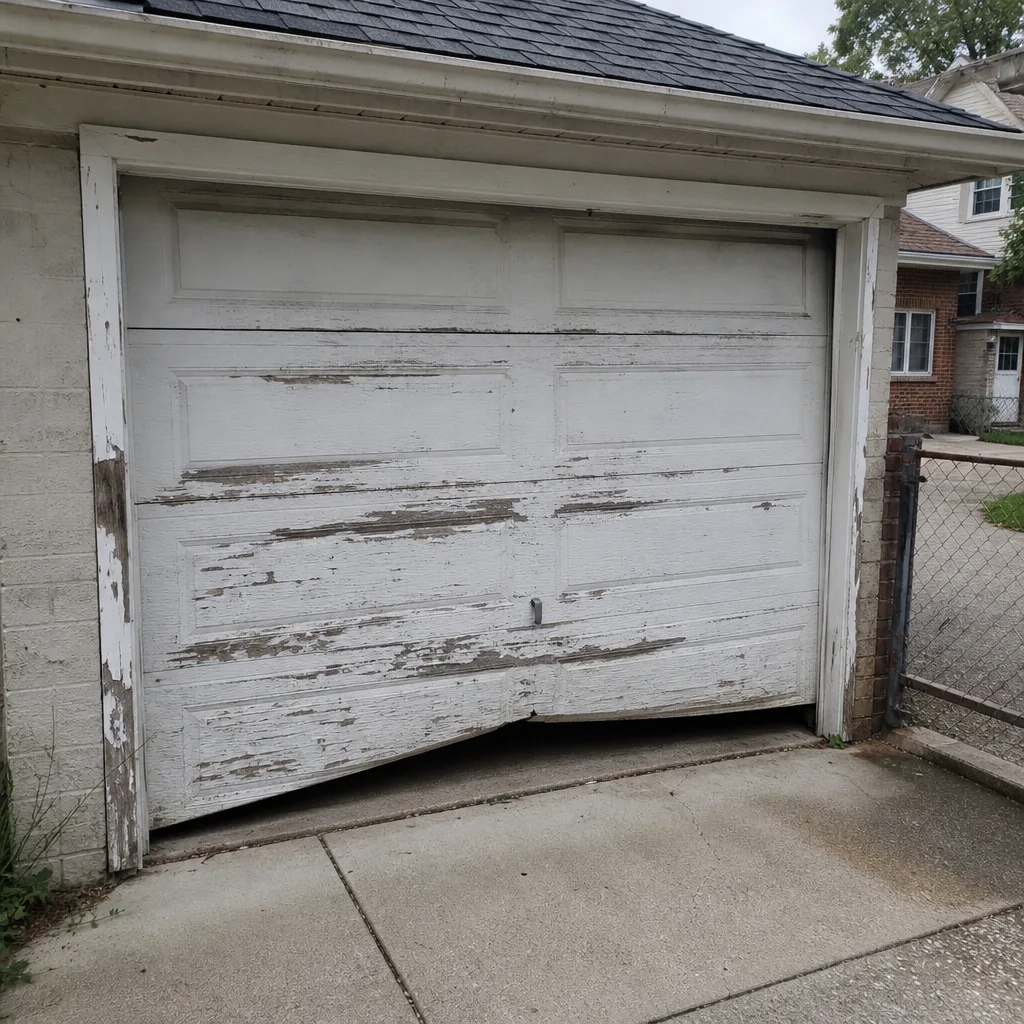
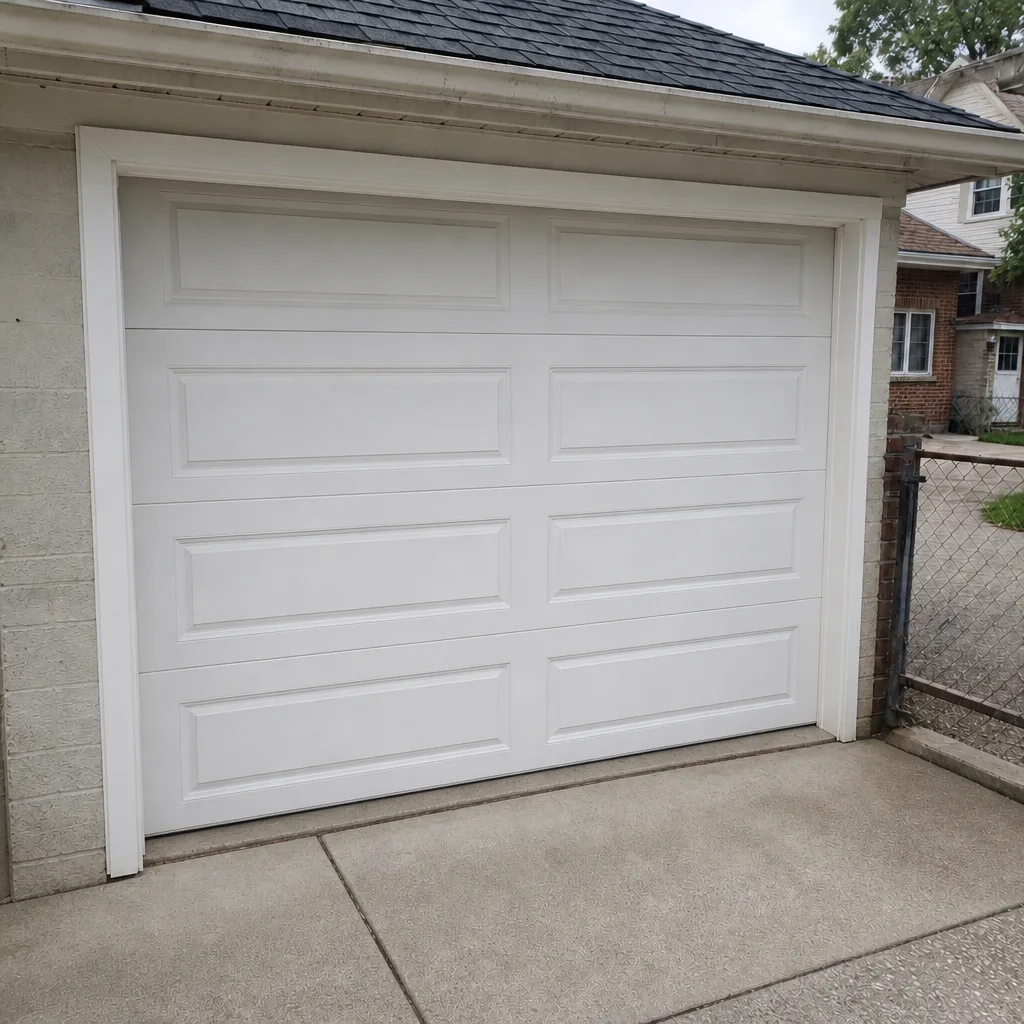
See the difference
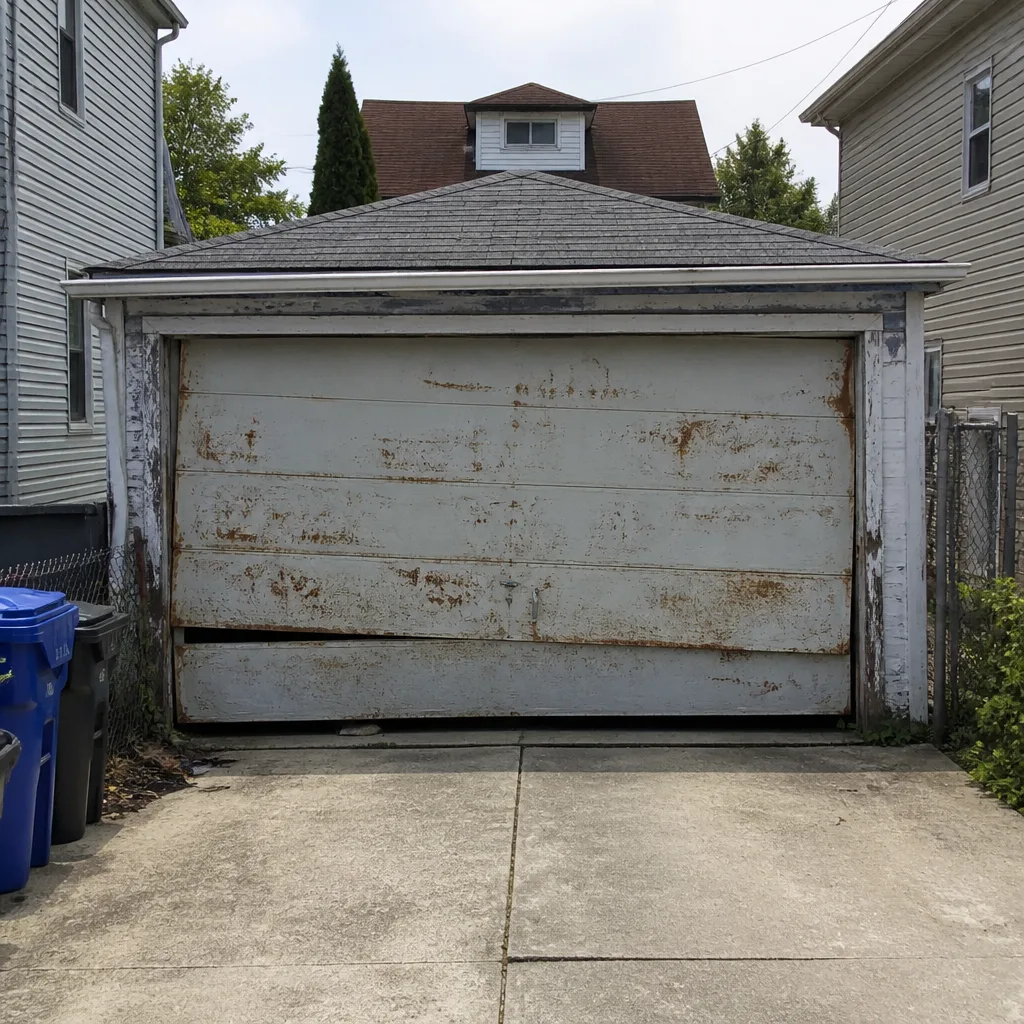 Before
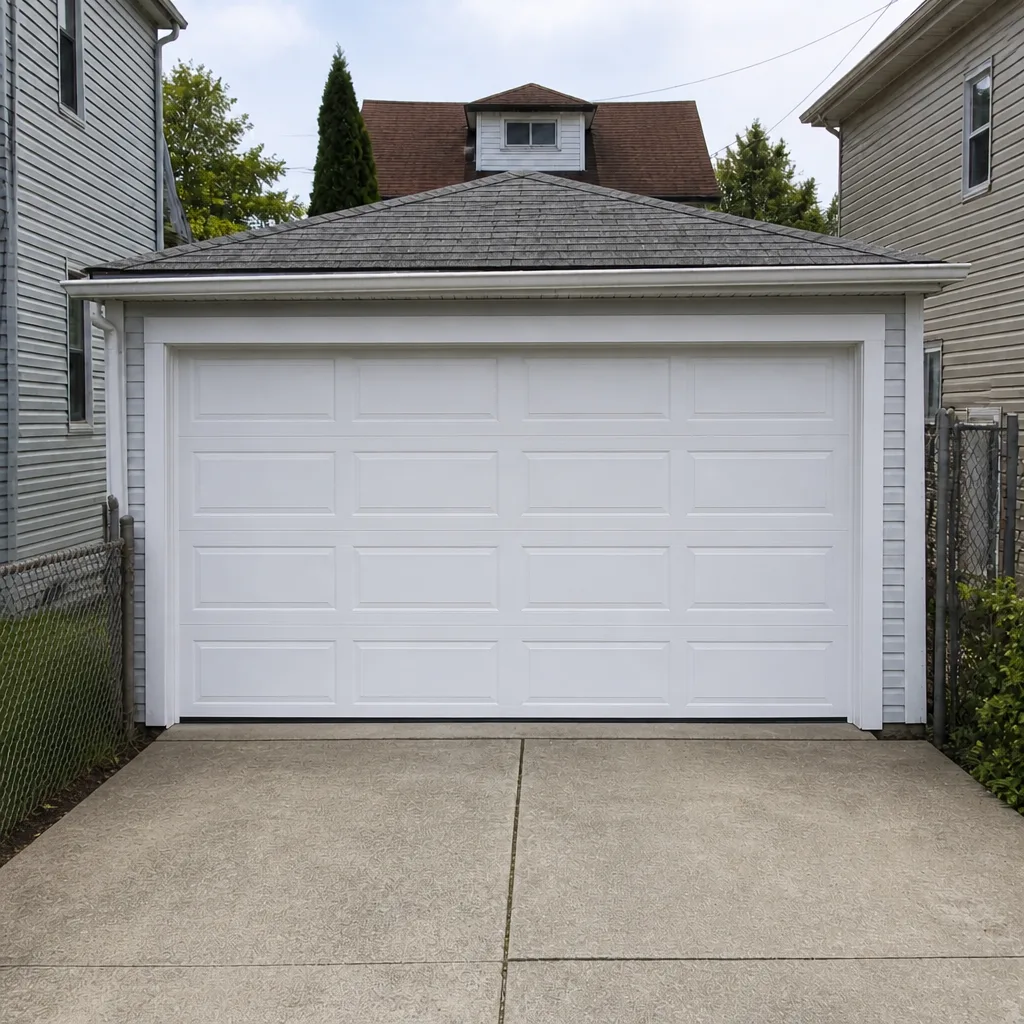 After
 Before
 After
 Before
 After
When to Call a Professional
Call a professional when the garage door won’t stay up, a spring is broken or gaping, the door has come off its track, or the opener reverses for no reason. Also call before you replace a door on a landmarked property, before you enlarge an opening, and before you list a Lake View home if you don’t know the permit history. Springs and cables are high-tension components, and loosening the wrong bolt can hurt you badly; that’s the one part of the job we never recommend tackling alone. Our technicians have up to 10 years of experience, we work on LiftMaster, Chamberlain, Craftsman, and Raynor and the other major brands, and we carry replacement parts for the brands we service so most repairs happen in one visit. Garage Door Repair Lake View offers free estimates in Lake View, and we’ll tell you plainly which parts of your project need a permit and which are a straight swap. Call (833) 468-5605 to book a visit.
Frequently Asked Questions
A straight like-for-like replacement usually doesn’t require a building permit, but enlarging the opening, changing the structural support, or working on a landmarked property generally does. The determining factor is whether the work alters the building, not whether it involves a garage door. Call the city’s building department with your specific scope to get a definite answer, and call (833) 468-5605 if you’d like us to walk the property and tell you which kind of project you’re looking at.
Yes, exterior changes visible on a designated property generally go through landmark review before installation. Material, color, panel design, and window patterns are all part of that review. Get the design approved first, because a rejected door is money spent twice. We can help you choose a door line that fits a historic look, then you can confirm it with the city’s landmark process. Call (833) 468-5605 for a free estimate on the installation itself.
The installing contractor should generally be the permit holder for any work that requires a permit, because the permit holder is legally responsible for the installation being code-compliant. If a contractor asks you to pull the permit for a structural change, ask why before agreeing. The final answer depends on the scope and the city’s requirements, so confirm it with the building department. For a free walk-through of your project, call (833) 468-5605.
Yes. A buyer’s inspector or a title search can flag unpermitted alterations, and that can stall a closing until the work is documented or corrected, sometimes with money held back at closing. The cure is to check your permit history, correct any safety issues, and work with the city to resolve the record before you list. If you’re not sure what’s original on your garage door system, we can inspect it and tell you. Call (833) 468-5605 for a free estimate.
Chicago Building Code Title 14B addresses garage door safety hardware, including spring containment and the safety features on automatic doors. In plain terms, high-tension springs need the proper restraint so a break doesn’t send pieces across the garage, and automatic openers need working reversing mechanisms and safety sensors. If you’re unsure whether your garage meets that standard, have it inspected before you have a failure. Call (833) 468-5605 for a free estimate.
It depends on the part and the door, so we quote each job by estimate after we’ve seen it, and the written quote is the price before any work starts. Spring and opener issues are the most common calls, and a proper repair includes checking the safety hardware, not just swapping the failed part. We work on the brands we service and carry replacement parts so many repairs happen in one visit. Call (833) 468-5605 for a free estimate.
The Bottom Line
In Lake View, the permit question comes down to whether your garage door project alters the building. A same-size swap in the same opening usually doesn’t need a building permit. An enlarged opening, a structural change, or a door on a landmarked property usually does, and the landmark review is a separate step that should happen before the door is ordered. Springs, cables, and opener safety features need to meet Chicago Building Code requirements whether or not a permit is involved. The person installing the work should be the permit holder. And if you’re planning to sell, check the permit history on your garage now rather than at closing, because the correction is always easier before a buyer’s inspector finds it.
If you’d like a straight answer about your own Lake View garage, we’re glad to help. Call Garage Door Repair Lake View at (833) 468-5605 for a free estimate. We’ll tell you what your project needs, what it doesn’t, and what it will cost before anything starts.
Written by the team at Garage Door Repair Lake View.