Last updated November 21, 2026
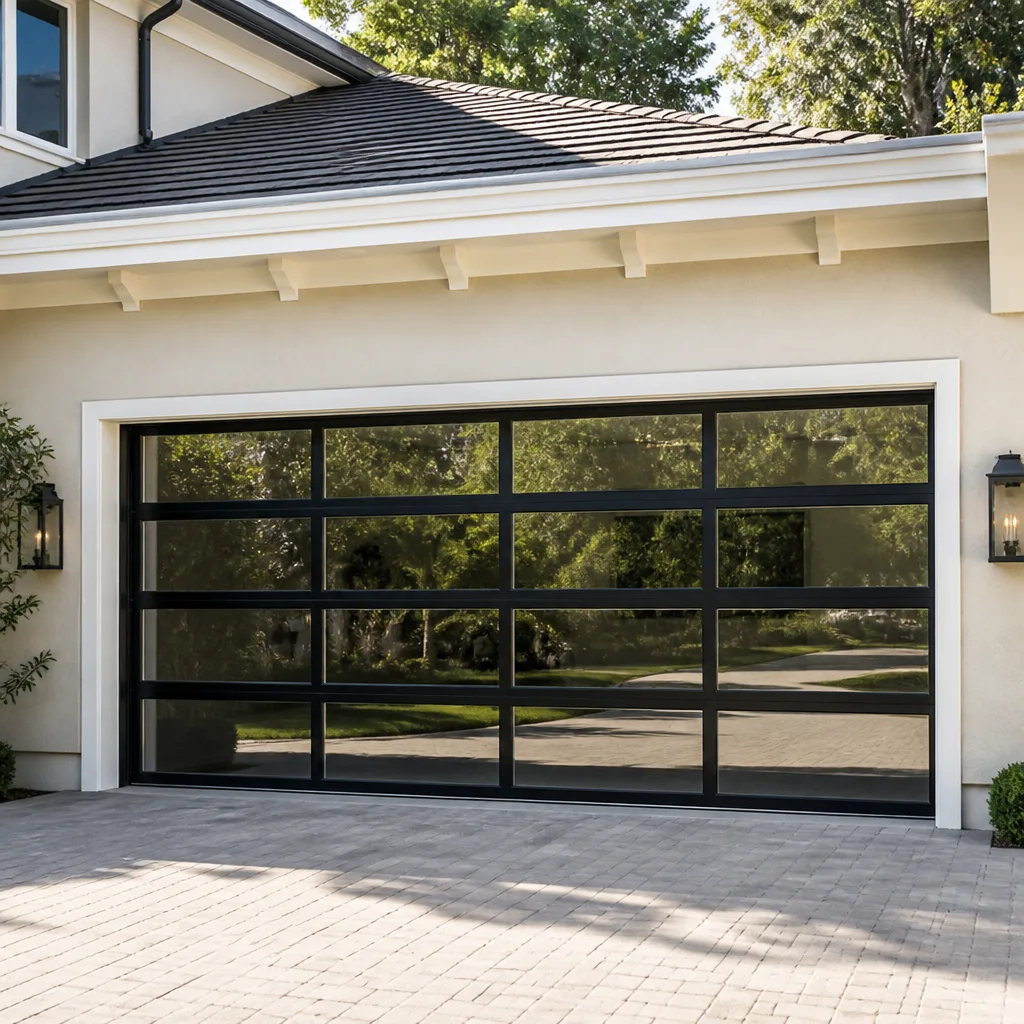 Full-view glass
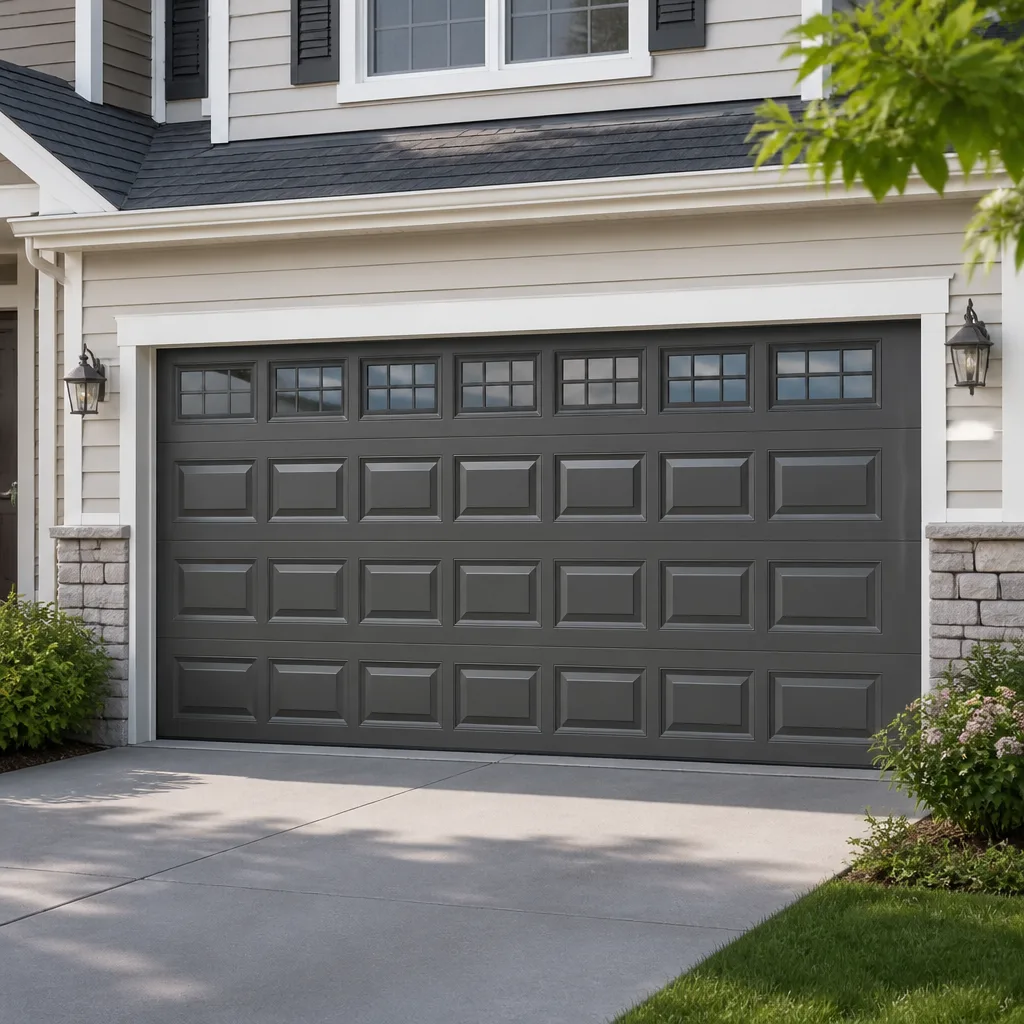 Raised-panel steel
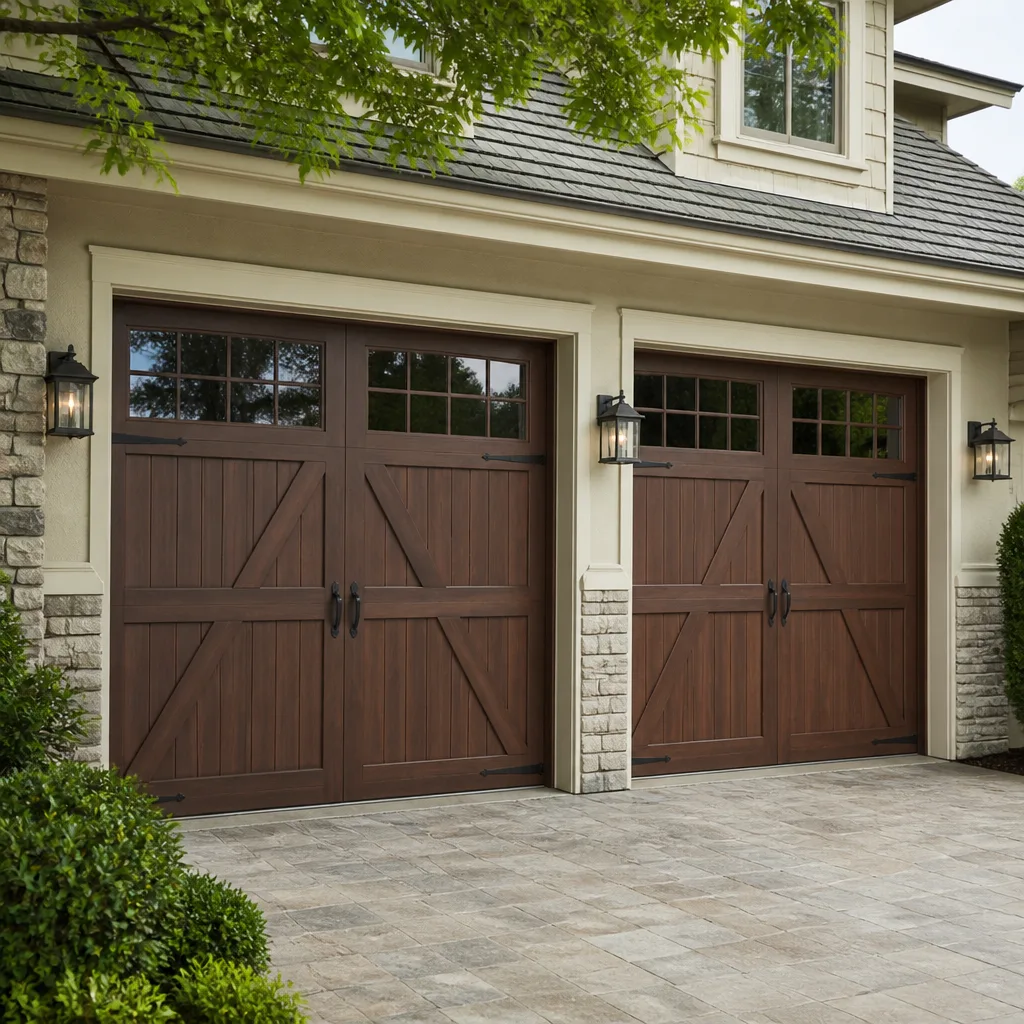 Carriage house
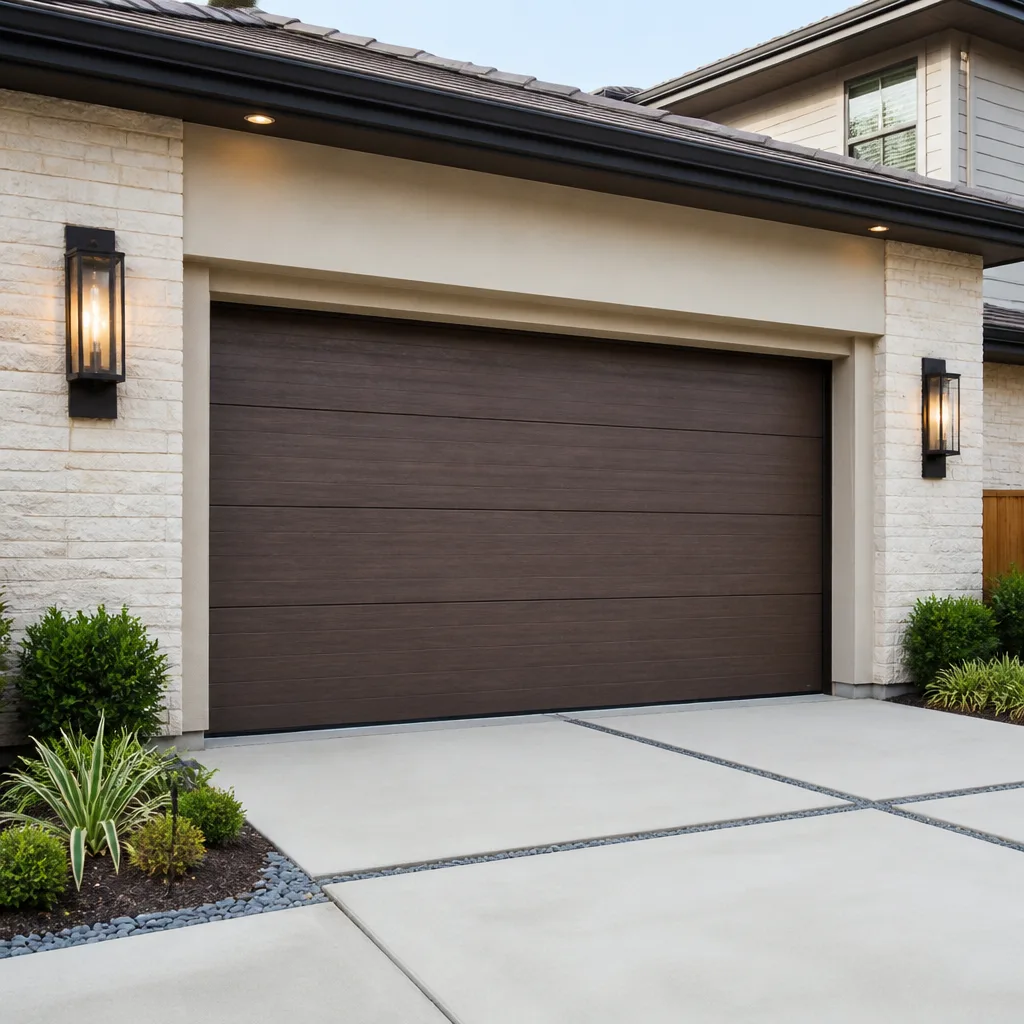 Modern flush
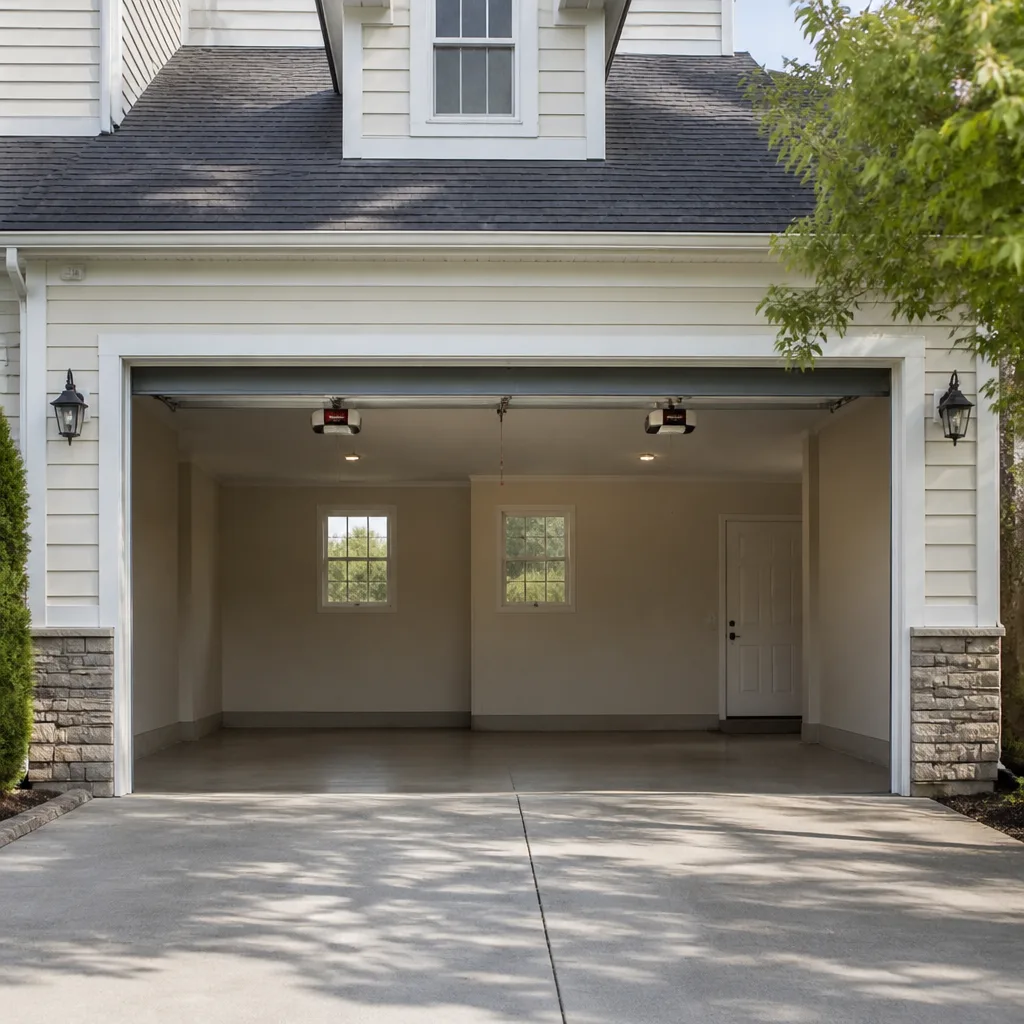 LiftMaster openers
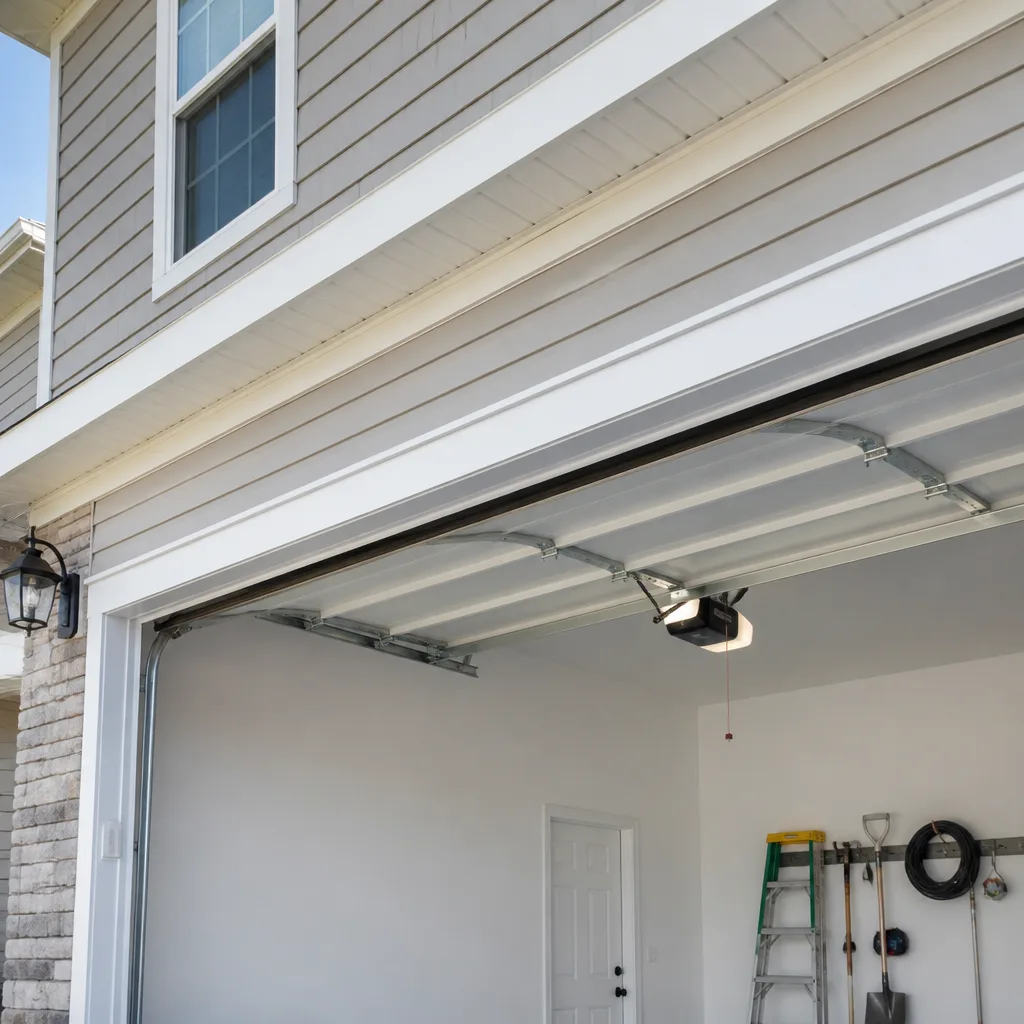 Chamberlain openers
Full 25-point door and opener safety check with every visit - springs, cables, rollers, tracks, and your LiftMaster or Chamberlain opener included
You get a price before we start. It does not change when the pro arrives.
Get your free estimateGarage Door Repair Maintenance Checklist for Lake View Homeowners
Most garage door advice is written for a climate that doesn’t exist here. The standard checklist tells you to oil the springs “twice a year” and call it done, which is fine if you live somewhere mild. Lake View isn’t mild. Alley slabs shift with every freeze and thaw, winter road treatment gets tracked onto the bottom seal, and summer humidity works on bare steel coils month after month. A door that gets a magazine’s generic once-over will still surprise you with a snapped spring on a cold morning. What follows is the checklist we actually use, tuned to how doors fail in Lake View: a month-by-month calendar, the specific corrosion pattern to watch for, the slab and seal checks most owners skip, and the point where a phone call beats a DIY afternoon.
Quick Answer
The core of a Lake View garage door maintenance routine is checking the balance of the door, inspecting the bottom seal and threshold for concrete heave, watching torsion springs for rust and coil separation, and confirming the safety reverse works. Do a light visual pass monthly, a deeper mechanical check each spring and fall, and leave spring, cable, and opener tension work to trained technicians. Most serious failures in Lake View give warning signs weeks before they happen; a checklist catches them in time.
Styles & brands we work with
- Raised-panel steel
- Carriage house
- Modern flush
- Full-view glass
- LiftMaster openers
- Chamberlain openers
Table of Contents
- Why Lake View Doors Wear Differently
- The Month-by-Month Maintenance Calendar
- The Balance Test: Your First Check Every Season
- Torsion Springs: The Corrosion Pattern to Watch For
- Bottom Seals and Thresholds: Where Concrete Heave Shows Up
- Rollers, Hinges, and the Lubrication Mistake That Makes It Worse
- Cable Drums and Opener Checks Most Homeowners Skip
- What You Can Check Yourself vs. What Needs a Technician
Why Lake View Doors Wear Differently
A garage door in Lake View is a piece of outdoor machinery bolted to a building, and it lives outdoors more honestly than most of your house. It faces wind off the lake, the cold of a real Midwest winter, the humidity of a Chicago summer, and the grit of an alley that sees plows and road treatment for months at a time. Those conditions don’t wear a door evenly. They attack specific parts in specific ways, and a maintenance routine that ignores the local pattern misses all of it.
Three forces do most of the damage in Lake View:
- Freeze and thaw cycles. Concrete moves. An alley slab that heaves up a fraction against the door’s bottom seal can push the seal out of contact, letting cold air and moisture in and putting load on the door travel. The door itself flexes to follow the frame.
- Winter road treatment tracked onto hardware. Whatever goes on the road or alley gets carried onto tires and onto the concrete, and the moisture and mineral residue sit against the bottom seal and the lower hinges the longest.
- Summer humidity on bare steel. Coiled torsion springs, the steel track, and every unpainted fastener are exposed to weeks of warm, damp air. Steel that’s been scratched or worn on its coating will start to rust from the coil gaps outward.
That last point matters more than most people realize. Torsion springs are a wear part rated in cycles (one up and one down is a cycle). In a climate that cycles hard through freeze and thaw each winter, and stays humid through summer, a spring that shows surface corrosion at the coil is a spring that’s working harder to deliver the same lift. A door that feels heavy, sounds louder, or moves unevenly is telling you its spring is nearing the end of its usable life. That’s not a guess we make lightly; it’s the pattern our technicians see on doors across Lake View.
The Month-by-Month Maintenance Calendar
Generic checklists split the year into “spring” and “fall” and leave you guessing which week. Lake View’s seasons are more specific than that, so here’s a calendar calibrated to how the weather actually turns here. It’s not a rigid schedule; if you only do the April and October items on time and the rest as you remember, you’ll still be well ahead.
- Late March / early April (thaw season). The ground is moving and the slab is settling. Check the bottom seal and threshold for gaps or crushing from concrete heave. Look for water stains on the inside of the door and the slab, and confirm the door closes flat and square. Test the balance of the door (see below). This is the most important check of the year in Lake View.
- May (pre-summer). Clean the bottom seal. Wipe and inspect the torsion spring coils for rust bloom and check that track bolts are snug. Confirm the safety reverse feature works before the busy season of comings and goings.
- June through August (humidity watch). A quick monthly visual: any new rust on springs, tracks, or fasteners? Any new noise on travel? If the door sounds louder than it did in spring, deal with it now, not in December.
- September (pre-winter prep). Clear the track of grit and leaves. Lubricate hinges, rollers, and the spring with the right product (more on that below). Look at the door panels for dents or separation and reseal anywhere the door meets the frame.
- October / November (first hard frost). Re-check the balance of the door while it’s still warm enough to work comfortably, and again after the first freeze. Cold stiffens lubricants and tighten everything up; a door that was fine in September can feel different once the temperature drops.
- December through February (watch-only). Keep the threshold clear of ice and snow buildup. Don’t force a frozen door; a stuck door in winter can mean the seal is frozen to the slab. A gentle visual pass is enough. Save repairs for warmer weather unless something breaks.
That’s a real year of maintenance compressed into a calendar. It’s built from how doors behave in Lake View, not from a template, and it’s the same sequence our technicians walk through when we do a maintenance tidy-up.
The Balance Test: Your First Check Every Season
Before you look at anything mechanical, test the balance of the door. This is the single quickest way to know if your spring is doing its job, and it’s safe to do from the outside with the opener disconnected. Here’s the procedure:
- Close the door fully and pull the opener’s manual release cord so the door is on manual travel.
- Lift the door by hand to halfway open. Let go gently and step back.
- A properly balanced door will hold itself roughly in place at the halfway point, or drift very slowly.
- If the door drops hard or rises on its own, the springs are out of balance and need a technician’s attention.
- Reconnect the opener only after the door is balanced and back in the closed position.
Balance testing is safe; adjusting the springs is not. This is where a lot of homeowner guides go dangerously wrong. Torsion springs hold enormous stored energy, and a spring that’s lost tension or is about to fail can release that energy with almost no warning. Our technicians treat spring work as a safety-first job with the proper winding bars and knowledge of the door’s specific geometry. If your balance test says something’s off, that’s a call, not a DIY afternoon.
Torsion Springs: The Corrosion Pattern to Watch For
Torsion springs sit above the door on a horizontal shaft. They’re tough, but they’re also the part that takes the most abuse from Lake View’s climate, and their failure is the most common reason we get called out. The question is what to look for before they fail.
Here’s the corrosion pattern that matters. A healthy spring has an even color across its coils, usually a dark, consistent finish. A spring beginning to fail in a humid or salty-winter climate shows these signs:
- Rust bloom between coils. Small orange-brown dots where the coils touch, spreading out along the coil. This is the most reliable early warning.
- Uneven tension along the coil. Some coils look tight and even; others appear loose or spaced differently when the door is closed. That’s a sign of a spring that’s lost its rated lifting strength.
- Rust streaks on the shaft or the door panels below the spring. A spring that’s actively corroding will stain whatever sits under it.
- A heavier door. If you’re lifting the door by hand and it feels like it’s gained weight, the spring is no longer helping you lift it.
Springs are rated in cycles, and a spring that’s spent its life in a hard climate will reach the end of its rated life sooner than the manufacturer’s cycle number on the box suggests. That’s not a reason to panic; it’s a reason to look once a month. When it’s time to replace, we work with matched springs sized to your door, and our team is certified familiar with the door brands most Lake View homes have installed, including Clopay and Amarr among others. The point isn’t the brand name; it’s that a technician who knows your door’s system can match the right spring the first time.
Bottom Seals and Thresholds: Where Concrete Heave Shows Up
The bottom seal is a soft rubber or vinyl strip that runs along the foot of the door and seals against the floor. In Lake View, the seal and the threshold are where alley conditions show up first. Concrete heave is common in older alley slabs: freeze and thaw lift and drop the concrete unevenly, and the slab can rise into the path of the door or settle below the seal.
Here’s how to check yours:
- Close the door fully and stand inside the garage. Look along the seal where it meets the floor for daylight.
- Run your hand along the seal (after turning off the opener so the door can’t move) and feel for flat spots, crushing, or gaps.
- Look at the concrete itself at the threshold. Is there a hump or crack where lifting concrete is pushing into the door path?
- Check the inside of the door for water stains or rust that suggest the seal has failed and let moisture in.
If you find moisture or a gap, the fix isn’t just to replace the seal; it’s to address why the seal is failing. Heave is a concrete problem, and if the slab has shifted into the door’s path, a new seal will crush just as fast. In Lake View this is common enough that it’s worth a real look each thaw season. If you’re not sure what you’re seeing, a free estimate is a cheap way to find out. Replacing the bottom seal is also one of the least expensive maintenance items you can do, and it pays for itself in lower heating bills and fewer drafts.
Rollers, Hinges, and the Lubrication Mistake That Makes It Worse
Lubrication is the most misunderstood part of garage door maintenance, and done wrong it makes the door louder, not quieter. Here’s the mistake: applying a wet spray lubricant to the door’s rollers when those rollers are nylon. Nylon and many plastic roller materials don’t need wet lubricant, and some spray products will leave a sticky residue that collects grit and dust from the alley, creating extra friction and noise. The rollers actually get dirtier, not smoother.
What to lubricate, and with what:
- Steel hinges and the hinge pins at each panel joint. A light application of a proper garage door or white lithium lubricant is right here.
- Steel rollers. Light lubricant on the axle of steel rollers; not on the wheel surface, which rolls along the track.
- Torsion spring. A light coat of lubricant on the coil, applied carefully, helps keep corrosion at bay. We don’t recommend a lot of product; just enough to keep the metal protected.
- Nylon or plastic rollers. Check with the door system’s documentation. Many require no lubrication at all, and adding some makes them louder.
- Track surfaces. A clean, dry track is usually better than an oiled one. Grime on the track is often the source of the noise.
If you’ve lubricated and the door still sounds like a train, the problem is probably a worn roller, a loose hinge, or a spring nearing the end of its life. A technician can tell the difference in a couple of minutes. The honest answer on lubrication is that less is often more, and the right product on the right part is what matters.
Cable Drums and Opener Checks Most Homeowners Skip
Two parts of the system routinely get ignored until they fail: the cable drums at each end of the torsion shaft, and the opener itself. Both deserve a look as part of a real maintenance routine.
Cable drum inspection is the step most owners skip. The cable drum is the spool at each end of the torsion shaft that winds the lifting cable as the door opens and closes. What to look for:
- Fraying. Run your eyes along the length of each cable where it’s visible. Look for broken strands, kinks, or uneven wind on the drum.
- Snags or the cable riding off the drum. If the cable looks like it’s over the edge of the drum rather than neatly wound, stop using the door and call.
- Rust on the drum and shaft. The shaft is bare steel and can rust in a humid Lake View summer; rust on the drum suggests the same.
- A door that jumps or shudders on travel. That’s often a cable that’s out of its proper groove or one side winding unevenly.
Cable work is a hard stop for DIY. Cables are under high tension and fail violently. This is one of the tasks we’d never recommend a homeowner take on, and it’s a routine part of the spring and cable service our technicians handle.
On the opener side, the safety reverse test is the one check everyone should do monthly:
- Place a solid object (a piece of wood or a thick book) on the floor in the door’s path.
- Close the door with the opener and watch. A properly set door will reverse when it contacts the object.
- Stand under the door as it closes and pass your hand through the beam of the safety sensors. A properly set door will reverse.
- If either test fails, stop using the opener and have it checked. The safety reverse is there to protect people and pets.
If your opener is failing, whether it’s a LiftMaster, Wayne Dalton, or a legacy Craftsman system, we service and repair the major smart-home and legacy brands and can usually diagnose the fault in one visit. A new opener isn’t always the answer; sometimes it’s a sensor, a travel limit, or a worn gear that’s fixable on the spot.
What You Can Check Yourself vs. What Needs a Technician
The division is simple, and it’s worth posting on the garage wall. Homeowners can do visual checks, test the safety reverse, keep the track clean, lubricate the correct parts, and check the bottom seal. Those are genuinely useful tasks that extend the life of the door. What homeowners should not do is touch the springs, the cables, the cable drums, or the opener’s internal tension components.
- You can: run the balance test, check the bottom seal for gaps, test the safety reverse, clean the track, lubricate hinges and steel rollers, watch for rust on the spring.
- Leave to a technician: spring replacement or tension adjustment, cable replacement or drum work, opener repair that requires opening the unit, any repair where the door isn’t balanced or is hanging unevenly.
One more thing: even “repair” tasks that look small sometimes aren’t. A door that’s off its track, a hinge that’s ripped out of the panel, or a panel that’s been dented so badly the door won’t seal can all be fixed by a homeowner in theory, but the result is rarely as safe as a technician’s. Our technicians have up to 10 years of experience with doors and openers, and they’ll tell you plainly whether your issue is a same-visit repair or needs a part. When the work is a repair, we usually get it done in a single visit because we stock the replacement parts for the major brands we service.
Common Mistakes to Avoid
- Trusting a generic twice-a-year checklist. Lake View’s freeze-thaw cycle and humid summers wear the door in ways a national magazine’s list won’t catch. Build your routine around the local calendar above, not “spring and fall.”
- Lubricating nylon rollers. It’s the most common DIY mistake we see, and it makes a quiet door louder. Only lubricate steel components, and use the right product.
- Ignoring rust on the torsion spring. Rust bloom between the coils is the best early warning you get. Waiting for the spring to snap means a car trapped in the garage and a heavier bill.
- Skipping the bottom seal and threshold check in thaw season. Concrete heave is common in Lake View alley slabs. If the seal or slab has shifted, moisture and cold air get in, and the door travels against resistance until something gives.
- Adjusting the springs yourself. High-tension springs store dangerous energy, and a mistake can cause serious injury. This is not a job for a general handyman, let alone a homeowner with a wrench.
- Never testing the safety reverse. It takes 30 seconds and it’s the one check that protects kids and pets. Do it monthly.
- Letting an opener “fix itself.” A door that reverses for no reason, or a remote that’s become unreliable, is usually a sensor or travel limit that needs resetting, not a slow decline you should live with.
See the difference
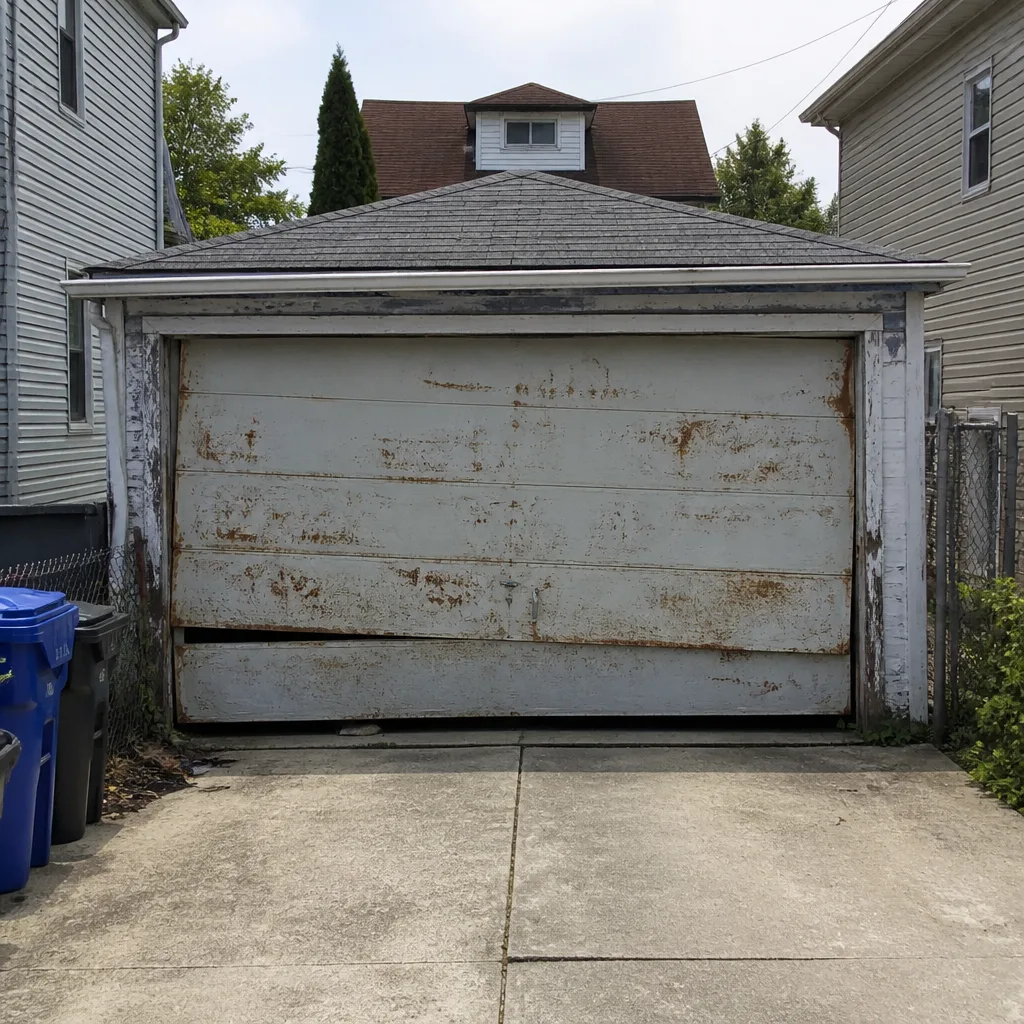 Before
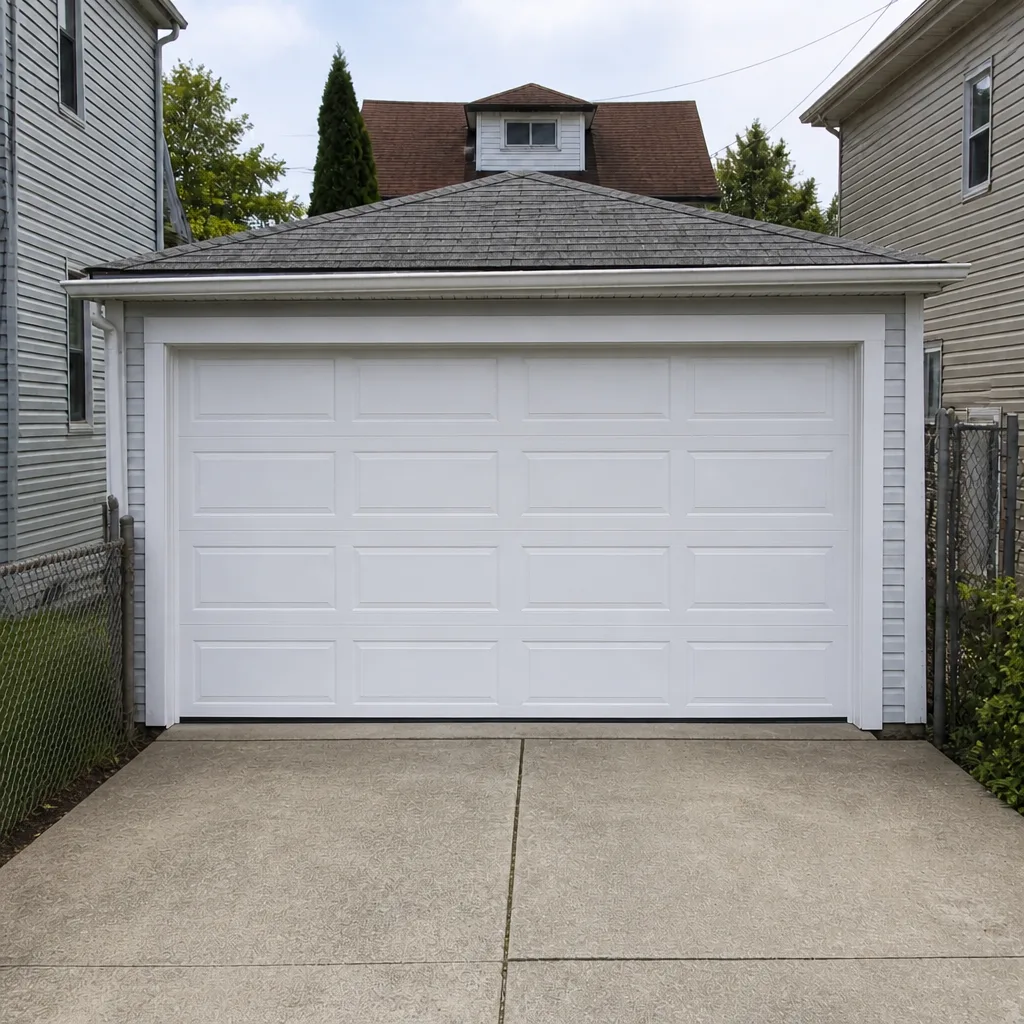 After
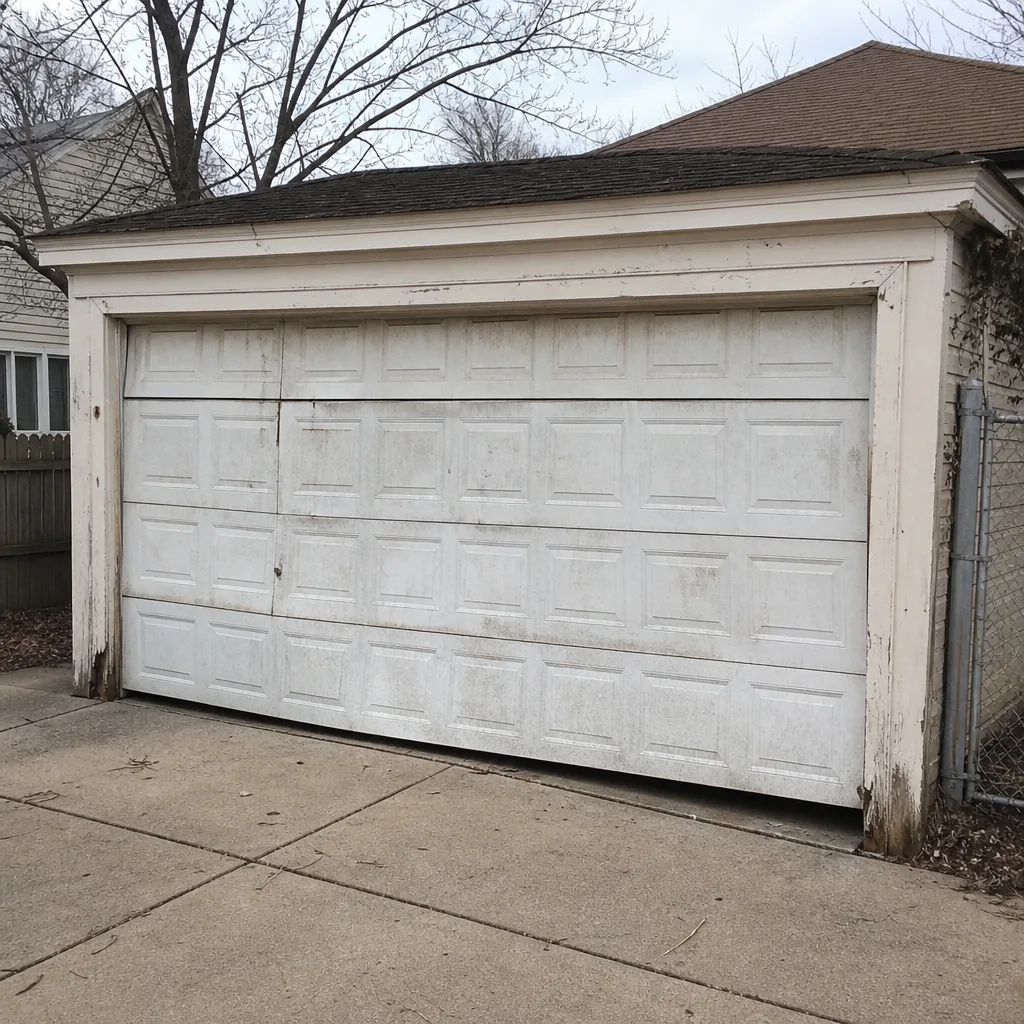 Before
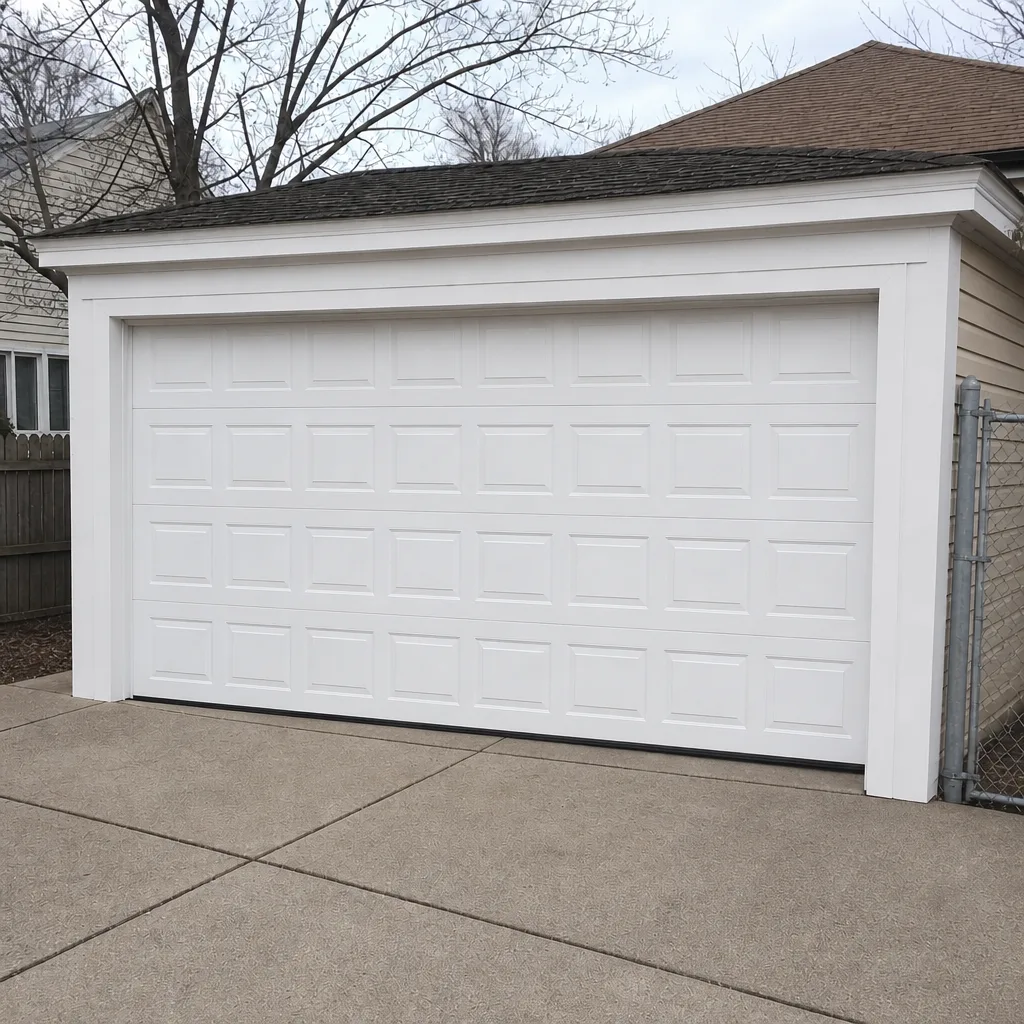 After
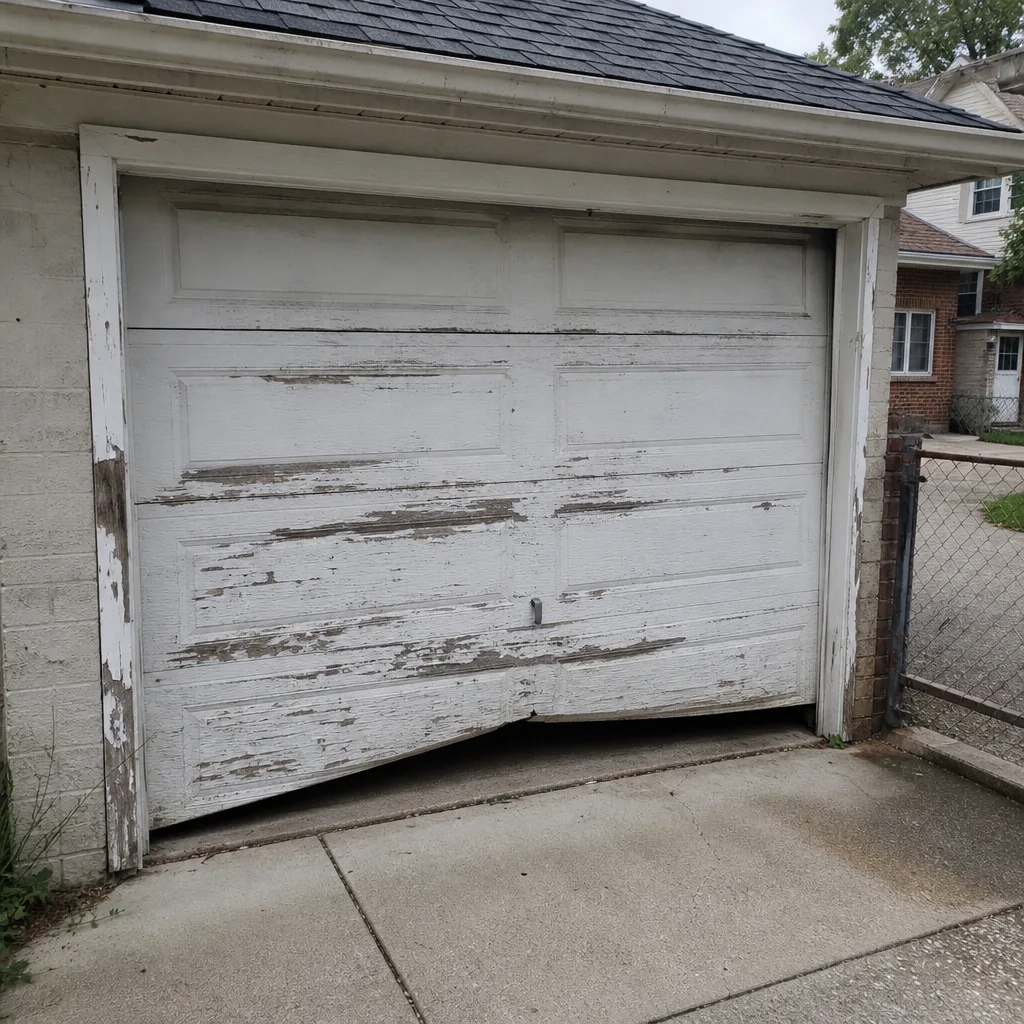 Before
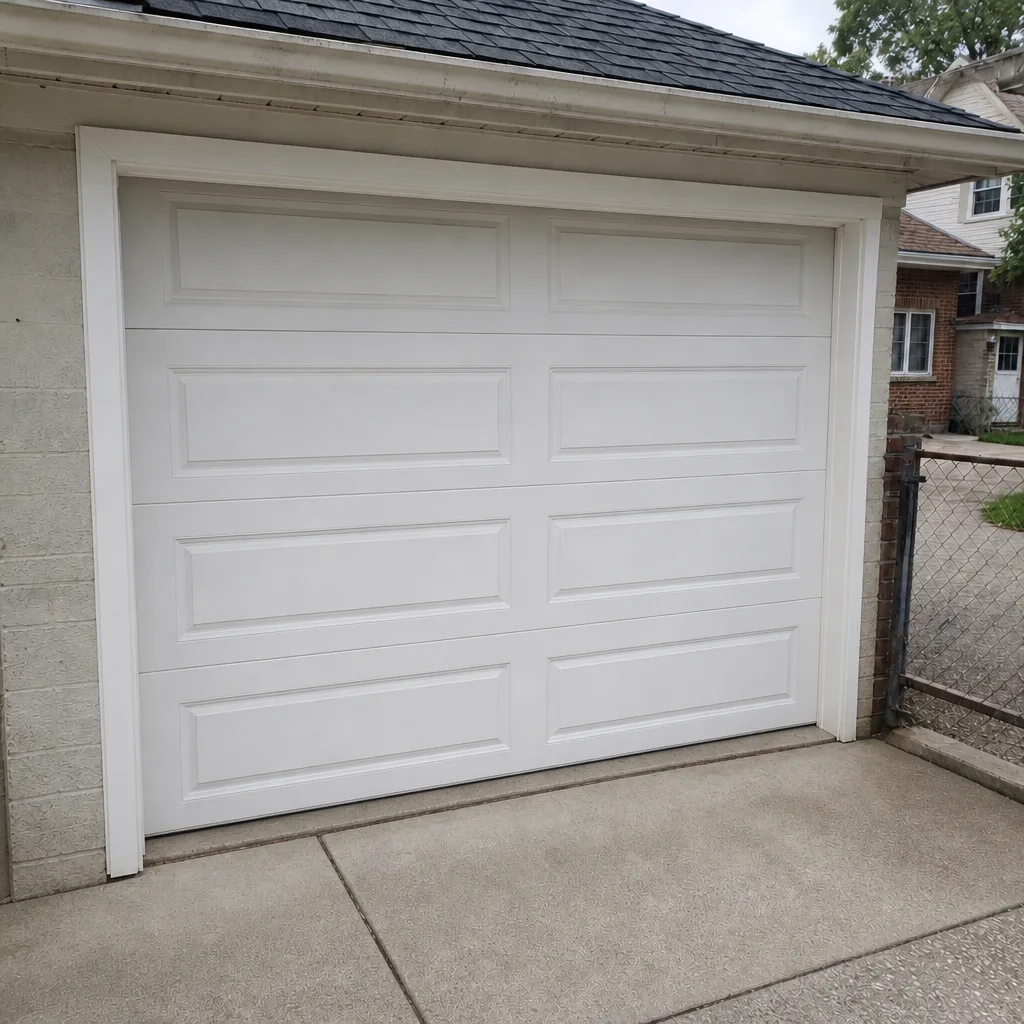 After
When to Call a Professional
Call for help the moment the balance test fails, the spring shows rust or a heavier door, a cable looks frayed or rides off its drum, the door jumps or shudders on travel, the safety reverse doesn’t work, or the door won’t seal at the bottom after you’ve checked for heave. Those are all signs the system is under stress, and most of them are best handled before they fail completely. Our team handles spring repair, opener repair, and bottom seal replacement, and we’re set up to fix most issues in one visit because we stock the parts for the major brands we service. If you’re in Lake View, we offer free estimates; call (833) 468-5605 and we’ll take a look. If you want to see how we approach the work, our garage door repair page covers the basics, and our main service page lays out the full scope.
Frequently Asked Questions
Do a light visual pass monthly, a deeper mechanical check in late March and again in October, and a quick check after the first hard freeze. That schedule matches Lake View’s thaw season and the start of humid summer, the two windows when doors here wear fastest. Test the safety reverse every month regardless of the season.
Torsion spring failure is the most common reason we’re called out in Lake View, and the climate accelerates it. Humid summers and winter road treatment both go after the spring coils, and a spring that shows rust bloom or has lost tension is a spring on borrowed time. Watch for rust between coils and a door that feels heavier to lift.
No. Torsion springs store the energy that lifts the door, and a spring under tension can release that energy with almost no warning. Spring work requires proper winding bars and an understanding of the door’s winding direction and balance. It’s the single task in garage door care we’d never recommend to a homeowner. Our technicians handle spring repair as a safety-first job, and we can usually get it done in one visit.
Most likely you applied a wet lubricant to nylon or plastic rollers, which don’t need it and can collect grit and dust when coated, making the noise worse. Only steel components (hinges, steel roller axles, and the spring coil) should get lubricant. If the noise is a rattle or a shriek, a worn roller or a spring nearing the end of its life could be the culprit too.
Close the door and look for daylight along the bottom, feel for flat spots and gaps in the seal, and inspect the concrete where it meets the door path. In Lake View’s alley slabs, freeze and thaw moves the concrete against the door. If the seal or the slab has shifted, a new seal won’t fix the underlying problem, so it’s worth a look from a technician before you replace anything.
Very likely. We work with LiftMaster, Chamberlain, Genie, Clopay, Amarr, Wayne Dalton, Craftsman, and Raynor. Those eight brands cover most of what’s installed in Lake View homes. If you’re not sure which brand you have, a technician can identify it on the visit. Call (833) 468-5605 to schedule a free estimate.
The Bottom Line
A Lake View garage door needs a maintenance routine built for this climate, not a generic list. The hard truth is that most failures here telegraph themselves weeks in advance: the rusty spring coil, the seal gap from concrete heave, the door that no longer feels balanced, the safety reverse that’s stopped working. Check the balance of the door every season, watch the spring for rust, clear the bottom seal and threshold during thaw season, lubricate the right parts with the right product, and test the safety reverse monthly. Beyond that, leave the springs, cables, and opener tension to a trained technician. A door that gets caught early is a repair; a door that doesn’t is an emergency.
Ready to Get Your Door Checked?
If you’ve spotted a problem on this checklist, or you’d rather have a technician walk through it with you, we’re here to help. We handle spring repair, opener repair, and bottom seal replacement, and we stock the parts for the major brands so most fixes happen in one visit. If your opener has aged out or a panel is beyond repair, our garage door opener repair service and our garage door installation team can help. Call (833) 468-5605 for a free estimate; we’ll give you a written price before any work begins. For the full range of what we do, visit our Garage Door Repair Lake View page, and if you’re outside the city, check our Lake View and surrounding communities service page. When you’re ready, one call covers it all.
Written by the team at Garage Door Repair Lake View.